Adi Da Up Close
Audio/Video Library
Our multimedia library currently contains 1,023 YouTube video clips and audio clips about (or related to) Adi Da and Adidam.


Slides from a Darshan occasion of Avatar Adi Da at Adi Da Samrajashram.
The audio recording is an excerpt from a recitation of Adi Da's essay, "Freedom Is The Only Law and Happiness Is The Only Reality". This is the Epilogue from Adi Da's book, The Truly Human New World-Culture of Unbroken Real-God-Man, which was originally written in 2001, and updated on November 13, 2019. The essay is read by a student of Adi Da. In the secular world, words like "freedom" and " love" are given a very limited definition. In this essay, Adi Da expands the true meaning of both of these words.
ADI DA: I Am here to Divinely Liberate all beings.
I Am here to Grant True Freedom to every one.
“Freedom” is one of the principal words associated with the politics of this “late-time”. The general trend toward the democratization of the entire world carries with it an intensified interest in the concept of freedom and in the pursuit of freedom. However, in the context and circumstance of this “late-time”, the word “freedom” is used in such a way that the true import of the word is lost, and its meaning is transformed, and even vulgarized.
The same process of vulgarization has also occurred in the case of other words, such as (for example) the word “love”. The word “love” represents a profound concept and reality, but the word itself tends to be used very casually. People commonly say that they “love” this or that, meaning something quite different from what the word “love” rightly and truly signifies.
“Love” is a word that rightly refers to the universal Sacrifice of ego-“self”. Real love is a matter of transcending “self” (or going beyond your limitations in relation to others)—but, in the “late-time” circumstance of vulgarized culture, the word “love” has come to be used in relation to whatever satisfies your inclinations, or fulfills your desires, or (otherwise) somehow compensates for limitations in your life by pleasing you and (thereby) supporting your egoic disposition. None of that has anything to do with real love.
So it also is with the word “freedom”, and the notion of freedom. The world-culture of this “late-time” is essentially an ego-culture associated with complications in the first three stages of life. It is essentially an adolescent culture. And it is in the context of that culture that great words like “love” and “freedom” become vulgarized. In the adolescent disposition, the word “freedom”, like the word “love”, is reduced to an egoic meaning. People say they want to be “free”, or want to act “freely”, or want to be “free” to do this or that—but what they actually mean is that they want to be able to fulfill their desires without limitation. An adolescent reacting to parental authority or parental expectations regards any such authority or expectations to be oppressive or limiting. Therefore, such adolescents say that they want to be “free” to do whatever they please. And that is, in general, what is meant in this “late-time” by the word “freedom”. Even in the larger political sphere, the word “freedom” is used to express the (personal, and also collective) intent to be able to fulfill desires—and those desires are (necessarily) fundamentally ego-based.
What does the fulfillment of desires have to do with true freedom? Rightly, the word “freedom” is synonymous with the word “liberation”. To “be free”, or to “be liberated”, means to “go beyond bondage”. The opposite of “freedom” is “bondage”. If one is truly moved to be truly free, one is moved to relinquish (and go beyond) bondage. Such is the true Wisdom-understanding of freedom.
Neither true freedom, nor real love, nor any other great concept is rightly understood via the words and concepts of adolescents. There must be human maturity (and, therefore, growth in Wisdom) for the great meanings underlying these concepts to be understood and actually lived.
Be moved toward real love, without limit. Be moved toward real happiness, without limit.
Be moved toward true freedom, without limit. You should (and, ultimately, must) be so moved. But to actually realize love (or real happiness, or true freedom) without limit, you must deal with yourself most profoundly. You cannot merely be reactive, like an adolescent or a worldly person.
If you want to be truly free, you must first understand that you are bound, and you must understand how you are bound, and then you must do something about that. If, on the other hand, you are merely reactively inclined to fulfill desires, and you want to be (so-called) “free” to do so, then you are not examining your bondage—what its roots are, what its signs are, what its characteristics are—and, if you are not examining your bondage with real discriminative intelligence, you are also not doing what you must do in order to be truly free.

The audio recording is an excerpt from a recitation of Adi Da's essay, "Freedom Is The Only Law and Happiness Is The Only Reality". This is the Epilogue from Adi Da's book, The Truly Human New World-Culture of Unbroken Real-God-Man, which was originally written in 2001, and updated on November 13, 2019. The essay is read by a student of Adi Da. In the secular world, words like "freedom" and " love" are given a very limited definition. In this essay, Adi Da expands the true meaning of both of these words.
ADI DA: I Am here to Divinely Liberate all beings.
I Am here to Grant True Freedom to every one.
“Freedom” is one of the principal words associated with the politics of this “late-time”. The general trend toward the democratization of the entire world carries with it an intensified interest in the concept of freedom and in the pursuit of freedom. However, in the context and circumstance of this “late-time”, the word “freedom” is used in such a way that the true import of the word is lost, and its meaning is transformed, and even vulgarized.
The same process of vulgarization has also occurred in the case of other words, such as (for example) the word “love”. The word “love” represents a profound concept and reality, but the word itself tends to be used very casually. People commonly say that they “love” this or that, meaning something quite different from what the word “love” rightly and truly signifies.
“Love” is a word that rightly refers to the universal Sacrifice of ego-“self”. Real love is a matter of transcending “self” (or going beyond your limitations in relation to others)—but, in the “late-time” circumstance of vulgarized culture, the word “love” has come to be used in relation to whatever satisfies your inclinations, or fulfills your desires, or (otherwise) somehow compensates for limitations in your life by pleasing you and (thereby) supporting your egoic disposition. None of that has anything to do with real love.
So it also is with the word “freedom”, and the notion of freedom. The world-culture of this “late-time” is essentially an ego-culture associated with complications in the first three stages of life. It is essentially an adolescent culture. And it is in the context of that culture that great words like “love” and “freedom” become vulgarized. In the adolescent disposition, the word “freedom”, like the word “love”, is reduced to an egoic meaning. People say they want to be “free”, or want to act “freely”, or want to be “free” to do this or that—but what they actually mean is that they want to be able to fulfill their desires without limitation. An adolescent reacting to parental authority or parental expectations regards any such authority or expectations to be oppressive or limiting. Therefore, such adolescents say that they want to be “free” to do whatever they please. And that is, in general, what is meant in this “late-time” by the word “freedom”. Even in the larger political sphere, the word “freedom” is used to express the (personal, and also collective) intent to be able to fulfill desires—and those desires are (necessarily) fundamentally ego-based.
What does the fulfillment of desires have to do with true freedom? Rightly, the word “freedom” is synonymous with the word “liberation”. To “be free”, or to “be liberated”, means to “go beyond bondage”. The opposite of “freedom” is “bondage”. If one is truly moved to be truly free, one is moved to relinquish (and go beyond) bondage. Such is the true Wisdom-understanding of freedom.
Neither true freedom, nor real love, nor any other great concept is rightly understood via the words and concepts of adolescents. There must be human maturity (and, therefore, growth in Wisdom) for the great meanings underlying these concepts to be understood and actually lived.
Be moved toward real love, without limit. Be moved toward real happiness, without limit.
Be moved toward true freedom, without limit. You should (and, ultimately, must) be so moved. But to actually realize love (or real happiness, or true freedom) without limit, you must deal with yourself most profoundly. You cannot merely be reactive, like an adolescent or a worldly person.
If you want to be truly free, you must first understand that you are bound, and you must understand how you are bound, and then you must do something about that. If, on the other hand, you are merely reactively inclined to fulfill desires, and you want to be (so-called) “free” to do so, then you are not examining your bondage—what its roots are, what its signs are, what its characteristics are—and, if you are not examining your bondage with real discriminative intelligence, you are also not doing what you must do in order to be truly free.
[Contains Polish subtitles. If the CC icon ("Subtitles/closed captions") has a red line under it, the subtitles should appear. If you don't see them, just press the CC icon to turn them on.]
To nagranie jest fragmentem eseju "Prawdziwie ludzka kultura nowego świata" (2001; aktualizacja 13 listopada 2019 r.). Tekst jest czytany przez studenta Adi Da Samraj. Jestem tu, by wyzwolić wszystkie istoty.
Darshan occasion of Avatar Adi Da at Adi Da Samrajashram.
The audio recording is an excerpt from a recitation of Adi Da's essay, "Freedom Is The Only Law and Happiness Is The Only Reality". This is the Epilogue from Adi Da's book, The Truly Human New World-Culture of Unbroken Real-God-Man, which was originally written in 2001, and updated on November 13, 2019. The essay is read by a student of Adi Da.
ADI DA: Jestem tu, by wyzwolić wszystkie istoty.
Jestem tu po to, by każdemu dać prawdziwą wolność.
"Wolność" jest jednym z głównych słów związanych z polityką tego "późnych czasów". Ogólny trend demokratyzacji całego świata niesie ze sobą wzmożone zainteresowanie koncepcją wolności i dążeniem do wolności. Jednak w kontekście i uwarunkowaniach tego "późnego czasu" słowo "wolność" jest używane w taki sposób, że prawdziwe znaczenie tego słowa zostaje utracone, a jego znaczenie zmienione, a nawet wulgaryzowane.
Ten sam proces wulgaryzowania ma miejsce również w przypadku innych słów, takich jak (na przykład) słowo "miłość". Słowo "miłość" reprezentuje głęboką ideę w realiach życia, ale samo słowo jest używane bardzo swobodnie. Ludzie często mówią, że "kochają" to czy tamto, mając na myśli coś zupełnie innego niż właściwie znaczenie słowa "miłość".
"Miłość" to słowo, które słusznie sugeruje powszechne poświęcenie ego-"ja". Prawdziwa miłość jest kwestią transcendencji "ja" (lub wykraczania poza twoje ograniczenia w stosunku do innych) - ale w realiach wulgaryzowanej kultury "późnych czasów" słowo "miłość" zaczęło być używane w odniesieniu do tego, co zaspokaja twoje skłonności, spełnia twoje pragnienia, albo w jakiś sposób rekompensuje ograniczenia w twoim życiu, zadowalając cię i (tym samym) wspierając twoje egoistyczne usposobienie. To nie ma nic wspólnego z prawdziwą miłością.
Tak samo jest ze słowem "wolność" i pojęciem wolności. Kultura światowa tych "późnych czasów" jest zasadniczo kulturą egoistyczną związaną z komplikacjami w pierwszych trzech etapach życia. Jest to kultura nastolatków. I to właśnie w kontekście tej kultury wielkie słowa takie jak "miłość" i "wolność" są wulgaryzowane. W usposobieniu nastolatków słowo "wolność", podobnie jak słowo "miłość", sprowadza się do znaczenia egoistycznego. Ludzie mówią, że chcą być "wolni", chcą mieć "swobodę" działamia, lub chcą być "wolni" do robienia tego czy owego, ale właściwie chodzi im o to, że chcą być w stanie spełniać swoje pragnienia bez ograniczeń. Młodzież reagująca na opiekę rodzicielską lub oczekiwania rodziców uważa, że każdy taki autorytet lub oczekiwania mają charakter represyjny lub ograniczający. Dlatego tacy nastolatkowie mówią, że chcą być "wolni" aby robić to, co im się podoba. I ogólnie rzecz biorąc, w tym "późnym czasie" takie jest znaczenie słowa "wolność". Nawet w szerszej sferze politycznej słowo "wolność" jest używane do wyrażenia (osobistego, a także zbiorowego) zamiaru, aby możliwości spełniania pragnień, a pragnienia te (z konieczności) są zasadniczo egoistyczne.
ADI DA: I Am here to Divinely Liberate all beings.
I Am here to Grant True Freedom to every one.
“Freedom” is one of the principal words associated with the politics of this “late-time”. The general trend toward the democratization of the entire world carries with it an intensified interest in the concept of freedom and in the pursuit of freedom. However, in the context and circumstance of this “late-time”, the word “freedom” is used in such a way that the true import of the word is lost, and its meaning is transformed, and even vulgarized.
The same process of vulgarization has also occurred in the case of other words, such as (for example) the word “love”. The word “love” represents a profound concept and reality, but the word itself tends to be used very casually. People commonly say that they “love” this or that, meaning something quite different from what the word “love” rightly and truly signifies.
“Love” is a word that rightly refers to the universal Sacrifice of ego-“self”. Real love is a matter of transcending “self” (or going beyond your limitations in relation to others)—but, in the “late-time” circumstance of vulgarized culture, the word “love” has come to be used in relation to whatever satisfies your inclinations, or fulfills your desires, or (otherwise) somehow compensates for limitations in your life by pleasing you and (thereby) supporting your egoic disposition. None of that has anything to do with real love.
So it also is with the word “freedom”, and the notion of freedom. The world-culture of this “late-time” is essentially an ego-culture associated with complications in the first three stages of life. It is essentially an adolescent culture. And it is in the context of that culture that great words like “love” and “freedom” become vulgarized. In the adolescent disposition, the word “freedom”, like the word “love”, is reduced to an egoic meaning. People say they want to be “free”, or want to act “freely”, or want to be “free” to do this or that—but what they actually mean is that they want to be able to fulfill their desires without limitation. An adolescent reacting to parental authority or parental expectations regards any such authority or expectations to be oppressive or limiting. Therefore, such adolescents say that they want to be “free” to do whatever they please. And that is, in general, what is meant in this “late-time” by the word “freedom”. Even in the larger political sphere, the word “freedom” is used to express the (personal, and also collective) intent to be able to fulfill desires—and those desires are (necessarily) fundamentally ego-based.
What does the fulfillment of desires have to do with true freedom? Rightly, the word “freedom” is synonymous with the word “liberation”. To “be free”, or to “be liberated”, means to “go beyond bondage”. The opposite of “freedom” is “bondage”. If one is truly moved to be truly free, one is moved to relinquish (and go beyond) bondage. Such is the true Wisdom-understanding of freedom.
Neither true freedom, nor real love, nor any other great concept is rightly understood via the words and concepts of adolescents. There must be human maturity (and, therefore, growth in Wisdom) for the great meanings underlying these concepts to be understood and actually lived.
Be moved toward real love, without limit. Be moved toward real happiness, without limit.
Be moved toward true freedom, without limit. You should (and, ultimately, must) be so moved. But to actually realize love (or real happiness, or true freedom) without limit, you must deal with yourself most profoundly. You cannot merely be reactive, like an adolescent or a worldly person.
If you want to be truly free, you must first understand that you are bound, and you must understand how you are bound, and then you must do something about that. If, on the other hand, you are merely reactively inclined to fulfill desires, and you want to be (so-called) “free” to do so, then you are not examining your bondage—what its roots are, what its signs are, what its characteristics are—and, if you are not examining your bondage with real discriminative intelligence, you are also not doing what you must do in order to be truly free.
Tags: Polish

To nagranie jest fragmentem eseju "Prawdziwie ludzka kultura nowego świata" (2001; aktualizacja 13 listopada 2019 r.). Tekst jest czytany przez studenta Adi Da Samraj. Jestem tu, by wyzwolić wszystkie istoty.
Darshan occasion of Avatar Adi Da at Adi Da Samrajashram.
The audio recording is an excerpt from a recitation of Adi Da's essay, "Freedom Is The Only Law and Happiness Is The Only Reality". This is the Epilogue from Adi Da's book, The Truly Human New World-Culture of Unbroken Real-God-Man, which was originally written in 2001, and updated on November 13, 2019. The essay is read by a student of Adi Da.
ADI DA: Jestem tu, by wyzwolić wszystkie istoty.
Jestem tu po to, by każdemu dać prawdziwą wolność.
"Wolność" jest jednym z głównych słów związanych z polityką tego "późnych czasów". Ogólny trend demokratyzacji całego świata niesie ze sobą wzmożone zainteresowanie koncepcją wolności i dążeniem do wolności. Jednak w kontekście i uwarunkowaniach tego "późnego czasu" słowo "wolność" jest używane w taki sposób, że prawdziwe znaczenie tego słowa zostaje utracone, a jego znaczenie zmienione, a nawet wulgaryzowane.
Ten sam proces wulgaryzowania ma miejsce również w przypadku innych słów, takich jak (na przykład) słowo "miłość". Słowo "miłość" reprezentuje głęboką ideę w realiach życia, ale samo słowo jest używane bardzo swobodnie. Ludzie często mówią, że "kochają" to czy tamto, mając na myśli coś zupełnie innego niż właściwie znaczenie słowa "miłość".
"Miłość" to słowo, które słusznie sugeruje powszechne poświęcenie ego-"ja". Prawdziwa miłość jest kwestią transcendencji "ja" (lub wykraczania poza twoje ograniczenia w stosunku do innych) - ale w realiach wulgaryzowanej kultury "późnych czasów" słowo "miłość" zaczęło być używane w odniesieniu do tego, co zaspokaja twoje skłonności, spełnia twoje pragnienia, albo w jakiś sposób rekompensuje ograniczenia w twoim życiu, zadowalając cię i (tym samym) wspierając twoje egoistyczne usposobienie. To nie ma nic wspólnego z prawdziwą miłością.
Tak samo jest ze słowem "wolność" i pojęciem wolności. Kultura światowa tych "późnych czasów" jest zasadniczo kulturą egoistyczną związaną z komplikacjami w pierwszych trzech etapach życia. Jest to kultura nastolatków. I to właśnie w kontekście tej kultury wielkie słowa takie jak "miłość" i "wolność" są wulgaryzowane. W usposobieniu nastolatków słowo "wolność", podobnie jak słowo "miłość", sprowadza się do znaczenia egoistycznego. Ludzie mówią, że chcą być "wolni", chcą mieć "swobodę" działamia, lub chcą być "wolni" do robienia tego czy owego, ale właściwie chodzi im o to, że chcą być w stanie spełniać swoje pragnienia bez ograniczeń. Młodzież reagująca na opiekę rodzicielską lub oczekiwania rodziców uważa, że każdy taki autorytet lub oczekiwania mają charakter represyjny lub ograniczający. Dlatego tacy nastolatkowie mówią, że chcą być "wolni" aby robić to, co im się podoba. I ogólnie rzecz biorąc, w tym "późnym czasie" takie jest znaczenie słowa "wolność". Nawet w szerszej sferze politycznej słowo "wolność" jest używane do wyrażenia (osobistego, a także zbiorowego) zamiaru, aby możliwości spełniania pragnień, a pragnienia te (z konieczności) są zasadniczo egoistyczne.
ADI DA: I Am here to Divinely Liberate all beings.
I Am here to Grant True Freedom to every one.
“Freedom” is one of the principal words associated with the politics of this “late-time”. The general trend toward the democratization of the entire world carries with it an intensified interest in the concept of freedom and in the pursuit of freedom. However, in the context and circumstance of this “late-time”, the word “freedom” is used in such a way that the true import of the word is lost, and its meaning is transformed, and even vulgarized.
The same process of vulgarization has also occurred in the case of other words, such as (for example) the word “love”. The word “love” represents a profound concept and reality, but the word itself tends to be used very casually. People commonly say that they “love” this or that, meaning something quite different from what the word “love” rightly and truly signifies.
“Love” is a word that rightly refers to the universal Sacrifice of ego-“self”. Real love is a matter of transcending “self” (or going beyond your limitations in relation to others)—but, in the “late-time” circumstance of vulgarized culture, the word “love” has come to be used in relation to whatever satisfies your inclinations, or fulfills your desires, or (otherwise) somehow compensates for limitations in your life by pleasing you and (thereby) supporting your egoic disposition. None of that has anything to do with real love.
So it also is with the word “freedom”, and the notion of freedom. The world-culture of this “late-time” is essentially an ego-culture associated with complications in the first three stages of life. It is essentially an adolescent culture. And it is in the context of that culture that great words like “love” and “freedom” become vulgarized. In the adolescent disposition, the word “freedom”, like the word “love”, is reduced to an egoic meaning. People say they want to be “free”, or want to act “freely”, or want to be “free” to do this or that—but what they actually mean is that they want to be able to fulfill their desires without limitation. An adolescent reacting to parental authority or parental expectations regards any such authority or expectations to be oppressive or limiting. Therefore, such adolescents say that they want to be “free” to do whatever they please. And that is, in general, what is meant in this “late-time” by the word “freedom”. Even in the larger political sphere, the word “freedom” is used to express the (personal, and also collective) intent to be able to fulfill desires—and those desires are (necessarily) fundamentally ego-based.
What does the fulfillment of desires have to do with true freedom? Rightly, the word “freedom” is synonymous with the word “liberation”. To “be free”, or to “be liberated”, means to “go beyond bondage”. The opposite of “freedom” is “bondage”. If one is truly moved to be truly free, one is moved to relinquish (and go beyond) bondage. Such is the true Wisdom-understanding of freedom.
Neither true freedom, nor real love, nor any other great concept is rightly understood via the words and concepts of adolescents. There must be human maturity (and, therefore, growth in Wisdom) for the great meanings underlying these concepts to be understood and actually lived.
Be moved toward real love, without limit. Be moved toward real happiness, without limit.
Be moved toward true freedom, without limit. You should (and, ultimately, must) be so moved. But to actually realize love (or real happiness, or true freedom) without limit, you must deal with yourself most profoundly. You cannot merely be reactive, like an adolescent or a worldly person.
If you want to be truly free, you must first understand that you are bound, and you must understand how you are bound, and then you must do something about that. If, on the other hand, you are merely reactively inclined to fulfill desires, and you want to be (so-called) “free” to do so, then you are not examining your bondage—what its roots are, what its signs are, what its characteristics are—and, if you are not examining your bondage with real discriminative intelligence, you are also not doing what you must do in order to be truly free.
Tags: Polish
[Contains Czech subtitles. If the CC icon ("Subtitles/closed captions") has a red line under it, the subtitles should appear. If you don't see them, just press the CC icon to turn them on.]
Rozhovor, ve kterém nás Adi Da vede k velmi střízlivému pohledu na fakt, že to, kam dáváme pozornost během života, ovlivňuje naši pozornost a osud po smrti.
In this sobering video excerpt, "Co se děje po smrti závisí na tom, jak žijete" ("What happens after death depends on how you live"), Adi Da speaks of the condition after death in which mind determines one's circumstance, without the limitations of the body, brain and unconsciousness. He addresses the fact that where one's attention is fixed during life affects attention and destiny after life. He recommends that devotees direct their attention to sadhana so that the purification process gives one wisdom that frees one from karmic limitations.
This talk is published as "After Death, Mind Makes You", in the book, Easy Death.
Tags: Czech death

Rozhovor, ve kterém nás Adi Da vede k velmi střízlivému pohledu na fakt, že to, kam dáváme pozornost během života, ovlivňuje naši pozornost a osud po smrti.
In this sobering video excerpt, "Co se děje po smrti závisí na tom, jak žijete" ("What happens after death depends on how you live"), Adi Da speaks of the condition after death in which mind determines one's circumstance, without the limitations of the body, brain and unconsciousness. He addresses the fact that where one's attention is fixed during life affects attention and destiny after life. He recommends that devotees direct their attention to sadhana so that the purification process gives one wisdom that frees one from karmic limitations.
This talk is published as "After Death, Mind Makes You", in the book, Easy Death.
Tags: Czech death
[Contains Italian subtitles. If the CC icon ("Subtitles/closed captions") has a red line under it, the subtitles should appear. If you don't see them, just press the CC icon to turn them on.]
"Il sé Separato č un'illusione" ("The separate self 'I' is an Illusion") is a video excerpt from an Avataric Discourse given by Adi Da on July 7, 2005 in Land Bridge Pavilion at The Mountain Of Attention.
Adi Da Samraj speaks about the action of self-contraction, which creates the sense of being a "separate self" - whereas, in Reality, no matter what arises, you are only and merely the Witness Consciousness.
This talk is from the first occasion in many years in which Avatar Adi Da spoke directly to a gathering of His devotees in California. Questions from devotees about intimate, familial, and social issues are met with Avatar Adi Da's Compassion and Humor, as well as His Liberating Wisdom.
The complete Avataric Discourse is available on the DVD, Relinquish the Mummery of This World.
Tags: Avataric Discourse Italian DVD

"Il sé Separato č un'illusione" ("The separate self 'I' is an Illusion") is a video excerpt from an Avataric Discourse given by Adi Da on July 7, 2005 in Land Bridge Pavilion at The Mountain Of Attention.
Adi Da Samraj speaks about the action of self-contraction, which creates the sense of being a "separate self" - whereas, in Reality, no matter what arises, you are only and merely the Witness Consciousness.
This talk is from the first occasion in many years in which Avatar Adi Da spoke directly to a gathering of His devotees in California. Questions from devotees about intimate, familial, and social issues are met with Avatar Adi Da's Compassion and Humor, as well as His Liberating Wisdom.
The complete Avataric Discourse is available on the DVD, Relinquish the Mummery of This World.
Tags: Avataric Discourse Italian DVD
[Contains Italian subtitles. If the CC icon ("Subtitles/closed captions") has a red line under it, the subtitles should appear. If you don't see them, just press the CC icon to turn them on.]
"Quello che Accade Dopo la Morte E' Determinato dal Come Si E' Vissuti" ("What Happens After Death Is Determined By the Way You Live") is published as "After Death, Mind Makes You", in the book, Easy Death. It is from a talk given by Adi Da on December 12, 1988 at Adi Da Samrajashram.
In this sobering discourse, Adi Da speaks of the condition after death in which mind determines one's circumstance, without the limitations of the body, brain and unconsciousness. He addresses the fact that where one's attention is fixed during life affects attention and destiny after life. He recommends that devotees direct their attention to sadhana so that the purification process gives one wisdom that frees one from karmic limitations.
Tags: death Italian

"Quello che Accade Dopo la Morte E' Determinato dal Come Si E' Vissuti" ("What Happens After Death Is Determined By the Way You Live") is published as "After Death, Mind Makes You", in the book, Easy Death. It is from a talk given by Adi Da on December 12, 1988 at Adi Da Samrajashram.
In this sobering discourse, Adi Da speaks of the condition after death in which mind determines one's circumstance, without the limitations of the body, brain and unconsciousness. He addresses the fact that where one's attention is fixed during life affects attention and destiny after life. He recommends that devotees direct their attention to sadhana so that the purification process gives one wisdom that frees one from karmic limitations.
Tags: death Italian
This audio excerpt is from a talk given by Adi Da on April 16, 1995, in Hymns To Me, at Adi Da Samrajashram.
Adi Da describes how the preparatory stages of practice of the Reality-Way of Adidam are associated with attention, and how the attachment to attention and all its objects prevents the Realization of Reality As It Is. He goes on to describe the unique advantage that His bodily Incarnation provides in the process of such Realization, for all time, and how the relationship to Him occurs — directly and personally — beyond the life of His human Form.
Tags: CD
Adi Da describes how the preparatory stages of practice of the Reality-Way of Adidam are associated with attention, and how the attachment to attention and all its objects prevents the Realization of Reality As It Is. He goes on to describe the unique advantage that His bodily Incarnation provides in the process of such Realization, for all time, and how the relationship to Him occurs — directly and personally — beyond the life of His human Form.
Tags: CD
In this talk excerpt, Avatar Adi Da speaks about how one must understand the tendency to presume oneself to be a victim, and must transcend all limitation in the process of Real-God-Realization.
ADI DA: You can suffer, or you can love. You can complain, or you can surrender. You can abuse, or you can bless. It is really just that simple. True maturity, God-Realizing maturity, manifests great compassion, great love, great help, endures greatly.
Tags: CD
ADI DA: You can suffer, or you can love. You can complain, or you can surrender. You can abuse, or you can bless. It is really just that simple. True maturity, God-Realizing maturity, manifests great compassion, great love, great help, endures greatly.
Tags: CD
In this excerpt, Adi Da compares the thirsting heart of the devotee truly moved to God-Realization to a cat in heat.
This excerpt is track 6 of the CD, The Impulse to God-Realization, a collection of talks focusing on Adi Da's clarifying Wisdom on the Impulse to Realize God that is inherent in all beings, and His Divine Offering and Instruction on the Ultimate Means to cultivate this heart-Impulse, thereby allowing it to become the guiding force of one's entire life.
The album is available through iTunes and The Dawn Horse Press.
Note: Due to distribution policies set by CDBaby (and beyond the control of this website and Adidam), this video may not be playable in every country. However, sometimes, even when you can't play it on this page, you may be able to play it on YouTube: click here.
Tags: CD
This excerpt is track 6 of the CD, The Impulse to God-Realization, a collection of talks focusing on Adi Da's clarifying Wisdom on the Impulse to Realize God that is inherent in all beings, and His Divine Offering and Instruction on the Ultimate Means to cultivate this heart-Impulse, thereby allowing it to become the guiding force of one's entire life.
The album is available through iTunes and The Dawn Horse Press.
Note: Due to distribution policies set by CDBaby (and beyond the control of this website and Adidam), this video may not be playable in every country. However, sometimes, even when you can't play it on this page, you may be able to play it on YouTube: click here.
Tags: CD
ADI DA: "So what is the struggle, then, that has been going on in your consideration all these years? It's really a struggle between your acknowledgement of the impulse to transcend yourself, and Realize that which can be Realized only in that case. . . your struggle between that motivation, and your rather standard and continuous and obsessive orientation to fulfill yourself."
This excerpt is track 5 of the CD, The Impulse to God-Realization, a collection of talks focusing on Adi Da's clarifying Wisdom on the Impulse to Realize God that is inherent in all beings, and His Divine Offering and Instruction on the Ultimate Means to cultivate this heart-Impulse, thereby allowing it to become the guiding force of one's entire life.
Tags: CD
This excerpt is track 5 of the CD, The Impulse to God-Realization, a collection of talks focusing on Adi Da's clarifying Wisdom on the Impulse to Realize God that is inherent in all beings, and His Divine Offering and Instruction on the Ultimate Means to cultivate this heart-Impulse, thereby allowing it to become the guiding force of one's entire life.
Tags: CD
Alexis talks about her "Where Is Happiness?" Retreat at the Man Of Radical Understanding Retreat Center (behind her) at the Mountain Of Attention Sanctuary in Northern California.
Everybody wants to be happy, but how do you actually "do" happiness? Please join us to find out more about true happiness in the free two day retreats that we offer in many locations around the world.
The retreats are based on, and inspired by, the Wisdom of Adi Da Samraj. They include guided meditations, yoga lessons, video presentations, group considerations, personal stories, contemplative walks, and delicious vegetarian meals.
The retreats are hosted by a team of experienced and long time practitioners of Avatar Adi Da’s Teachings who guide the retreat program in an inspiring fashion.
The complete weekend program (including workbook and materials) is offered for free. You only pay a contribution for food, drinks and your possible lodging during the weekend. Costs can differ depending on the location.
For more about these free weekend-long retreats, click here.
The next retreat dates at the Mountain Of Attention are: March 2-3, 2019; and May 18-19, 2019.
Tags: retreat

Everybody wants to be happy, but how do you actually "do" happiness? Please join us to find out more about true happiness in the free two day retreats that we offer in many locations around the world.
The retreats are based on, and inspired by, the Wisdom of Adi Da Samraj. They include guided meditations, yoga lessons, video presentations, group considerations, personal stories, contemplative walks, and delicious vegetarian meals.
The retreats are hosted by a team of experienced and long time practitioners of Avatar Adi Da’s Teachings who guide the retreat program in an inspiring fashion.
The complete weekend program (including workbook and materials) is offered for free. You only pay a contribution for food, drinks and your possible lodging during the weekend. Costs can differ depending on the location.
For more about these free weekend-long retreats, click here.
The next retreat dates at the Mountain Of Attention are: March 2-3, 2019; and May 18-19, 2019.
Tags: retreat
In July 1988, during several talks at the Mountain Of Attention Sanctuary in northern California, Avatar Adi Da Samraj described the first six stages of life (based upon His own seven-stage schema), and the unique and Graceful process of real Spiritual Transmission. This audio excerpt is from one such occasion.
Tags: CD DVD
Tags: CD DVD
This is a video excerpt from Adi Da's classic talk, "The Bodily Location of Happiness", which He gave on November 28, 1981.
This excerpt is track 2 of the CD, The Impulse to God-Realization, a collection of talks focusing on Adi Da's clarifying Wisdom on the Impulse to Realize God that is inherent in all beings, and His Divine Offering and Instruction on the Ultimate Means to cultivate this heart-Impulse, thereby allowing it to become the guiding force of one's entire life.
Tags: CD DVD
This excerpt is track 2 of the CD, The Impulse to God-Realization, a collection of talks focusing on Adi Da's clarifying Wisdom on the Impulse to Realize God that is inherent in all beings, and His Divine Offering and Instruction on the Ultimate Means to cultivate this heart-Impulse, thereby allowing it to become the guiding force of one's entire life.
Tags: CD DVD
[Contains Polish subtitles. If the CC icon ("Subtitles/closed captions") has a red line under it, the subtitles should appear. If you don't see them, just press the CC icon to turn them on.]
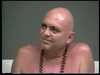
Awatar Adi Da mówi o konieczności "sadhany", czyli praktyki duchowej, w związku z Urzeczywistnionym Mistrzem Duchowym.
On July 2, 1988, in Land Bridge Pavilion at The Mountain Of Attention, Adi Da gives the talk, "Contemplation, Satsang, Sadhana", which would appear in the May/June 1988 issue of Crazy Wisdom Magazine.
In this excerpt, "Poświęć swoje życie Urzeczywistnieniu Boga" ("Devote Your Life To God-Realization"), Adi Da speaks about the necessity for "sadhana", or spiritual practice, in relationship to the God-Realized Spiritual Master.
"All there is is a mechanism to be dealt with. You're not uniquely born. It's the same mechanism as in all other cases. And, in all cases it requires a tremendous ordeal."
Beginning at 17:30 (and continuing to the end of this video), a formal Darshan occasion is shown.
Tags: Darshan Polish
Awatar Adi Da mówi o konieczności "sadhany", czyli praktyki duchowej, w związku z Urzeczywistnionym Mistrzem Duchowym.
On July 2, 1988, in Land Bridge Pavilion at The Mountain Of Attention, Adi Da gives the talk, "Contemplation, Satsang, Sadhana", which would appear in the May/June 1988 issue of Crazy Wisdom Magazine.
In this excerpt, "Poświęć swoje życie Urzeczywistnieniu Boga" ("Devote Your Life To God-Realization"), Adi Da speaks about the necessity for "sadhana", or spiritual practice, in relationship to the God-Realized Spiritual Master.
"All there is is a mechanism to be dealt with. You're not uniquely born. It's the same mechanism as in all other cases. And, in all cases it requires a tremendous ordeal."
Beginning at 17:30 (and continuing to the end of this video), a formal Darshan occasion is shown.
Tags: Darshan Polish
[Contains Finnish subtitles. If the CC icon ("Subtitles/closed captions") has a red line under it, the subtitles should appear. If you don't see them, just press the CC icon to turn them on.]
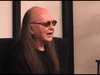
Adi Da käsittelee tapaamme olettaa, että olemme "erillisiä olentoja".
Video excerpt from an Avataric Discourse given by Adi Da Samraj on July 7, 2005, in Land Bridge Pavilion at The Mountain Of Attention.
Adi Da talks about the presumption of the egoic "separate self" sense that is the root of human suffering. He contrasts this with our actual Position in Truth: the Position of Conscious Light.
This talk is from the first occasion in many years in which Avatar Adi Da spoke directly to a gathering of His devotees in California. Questions from devotees about intimate, familial, and social issues are met with Avatar Adi Da's Compassion and Humor, as well as His Liberating Wisdom.
The complete Avataric Discourse is available on the DVD, Relinquish the Mummery of This World. (This video excerpt is from Part 3 of the DVD.)
At 19:58, a formal Darshan occasion begins (at Adi Da Samrajashram) and continues to the end of this video clip.
Tags: Avataric Discourse Finnish Darshan DVD
Adi Da käsittelee tapaamme olettaa, että olemme "erillisiä olentoja".
Video excerpt from an Avataric Discourse given by Adi Da Samraj on July 7, 2005, in Land Bridge Pavilion at The Mountain Of Attention.
Adi Da talks about the presumption of the egoic "separate self" sense that is the root of human suffering. He contrasts this with our actual Position in Truth: the Position of Conscious Light.
This talk is from the first occasion in many years in which Avatar Adi Da spoke directly to a gathering of His devotees in California. Questions from devotees about intimate, familial, and social issues are met with Avatar Adi Da's Compassion and Humor, as well as His Liberating Wisdom.
The complete Avataric Discourse is available on the DVD, Relinquish the Mummery of This World. (This video excerpt is from Part 3 of the DVD.)
At 19:58, a formal Darshan occasion begins (at Adi Da Samrajashram) and continues to the end of this video clip.
Tags: Avataric Discourse Finnish Darshan DVD
[Contains Spanish subtitles. If the CC icon ("Subtitles/closed captions") has a red line under it, the subtitles should appear. If you don't see them, just press the CC icon to turn them on.]
"Lo Que Ocurre Después de la Muerte Está Determinado Por La Forma En Que Vives" ("What Happens After Death Is Determined By the Way You Live") is published as "After Death, Mind Makes You", in the book, Easy Death. It is from a talk given by Adi Da on December 12, 1988 at Adi Da Samrajashram.
In this sobering discourse, Adi Da speaks of the condition after death in which mind determines one's circumstance, without the limitations of the body, brain and unconsciousness. He addresses the fact that where one's attention is fixed during life affects attention and destiny after life. He recommends that devotees direct their attention to sadhana so that the purification process gives one wisdom that frees one from karmic limitations.
Tags: death Spanish

"Lo Que Ocurre Después de la Muerte Está Determinado Por La Forma En Que Vives" ("What Happens After Death Is Determined By the Way You Live") is published as "After Death, Mind Makes You", in the book, Easy Death. It is from a talk given by Adi Da on December 12, 1988 at Adi Da Samrajashram.
In this sobering discourse, Adi Da speaks of the condition after death in which mind determines one's circumstance, without the limitations of the body, brain and unconsciousness. He addresses the fact that where one's attention is fixed during life affects attention and destiny after life. He recommends that devotees direct their attention to sadhana so that the purification process gives one wisdom that frees one from karmic limitations.
Tags: death Spanish
Audio/Video Links:


Most Popular Categories:
- Adi Da's Talks (463)
- Devotees' Stories of Adi Da (150)
- Adi Da's Image-Art (68)
- Not-Two Is Peace (54)
- Formal Darshan Occasions (36)
- Adi Da's Poetry (11)
- Tribute to Adi Da's Life and Work (11)
- Avataric Discourses: 2004 - 2005 (196)
- DVDs (198) / CDs (240) from the Dawn Horse Press
- Multi-Part Series (67)