Adi Da Up Close
Audio/Video Library
Our multimedia library currently contains 1,023 YouTube video clips and audio clips about (or related to) Adi Da and Adidam.


[Contains Spanish subtitles. If the CC icon ("Subtitles/closed captions") has a red line under it, the subtitles should appear. If you don't see them, just press the CC icon to turn them on.]
From a question and answer session with Adi Da on October 28, 1978, in Land Bridge Pavilion at the Mountain Of Attention Sanctuary in Northern California. This is track 2 on the DVD, Surrender of self Is A Koan.
In this excerpt, "No hay nadie para rendirse" ("There Is No One To Surrender"), Adi Da Samraj considers the spiritual transformation of a human being, and states of the body-mind. The real spiritual process is not based on effort or having more (or greater) experiences, even in the mystical dimension. In the true spiritual process, experience, in all its forms (first physical and then mystical), must be transcended through our heart-based practice of God-Communion.
Tags: DVD Spanish

From a question and answer session with Adi Da on October 28, 1978, in Land Bridge Pavilion at the Mountain Of Attention Sanctuary in Northern California. This is track 2 on the DVD, Surrender of self Is A Koan.
In this excerpt, "No hay nadie para rendirse" ("There Is No One To Surrender"), Adi Da Samraj considers the spiritual transformation of a human being, and states of the body-mind. The real spiritual process is not based on effort or having more (or greater) experiences, even in the mystical dimension. In the true spiritual process, experience, in all its forms (first physical and then mystical), must be transcended through our heart-based practice of God-Communion.
Tags: DVD Spanish
[Contains Spanish subtitles. If the CC icon ("Subtitles/closed captions") has a red line under it, the subtitles should appear. If you don't see them, just press the CC icon to turn them on.]
On July 2, 1988, in Land Bridge Pavilion at The Mountain Of Attention, Adi Da gives the talk, "Contemplation, Satsang, Sadhana", which would appear in the May/June 1988 issue of Crazy Wisdom Magazine.
In this excerpt, "Dedica tu vida a la Realización-de-Dios" ("Devote Your Life To God-Realization"), Adi Da speaks about the necessity for "sadhana", or spiritual practice, in relationship to the God-Realized Spiritual Master.
"All there is is a mechanism to be dealt with. You're not uniquely born. It's the same mechanism as in all other cases. And, in all cases it requires a tremendous ordeal."
Beginning at 17:30 (and continuing to the end of this video), a formal Darshan occasion is shown.
Tags: Darshan Spanish

On July 2, 1988, in Land Bridge Pavilion at The Mountain Of Attention, Adi Da gives the talk, "Contemplation, Satsang, Sadhana", which would appear in the May/June 1988 issue of Crazy Wisdom Magazine.
In this excerpt, "Dedica tu vida a la Realización-de-Dios" ("Devote Your Life To God-Realization"), Adi Da speaks about the necessity for "sadhana", or spiritual practice, in relationship to the God-Realized Spiritual Master.
"All there is is a mechanism to be dealt with. You're not uniquely born. It's the same mechanism as in all other cases. And, in all cases it requires a tremendous ordeal."
Beginning at 17:30 (and continuing to the end of this video), a formal Darshan occasion is shown.
Tags: Darshan Spanish
[Contains Spanish subtitles. If the CC icon ("Subtitles/closed captions") has a red line under it, the subtitles should appear. If you don't see them, just press the CC icon to turn them on.]
In this excerpt, "Vivir la vida como un sacrificio en lo Divinoes la clave del proceso de la muerte" ("Living life as a sacrifice in God is the key to the death process"), from an Avataric Discourse from October 12, 2004, at Adi Da Samrajashram, Adi Da addresses the inevitability of death, the life of profound purpose that outshines mortality, and how living life as a sacrifice in the Divine is the key to the death process.
The full Avataric Discourse can be found on the DVD, The Wordless Condition Prior to "I".
Tags: Spanish Avataric Discourse DVD

In this excerpt, "Vivir la vida como un sacrificio en lo Divinoes la clave del proceso de la muerte" ("Living life as a sacrifice in God is the key to the death process"), from an Avataric Discourse from October 12, 2004, at Adi Da Samrajashram, Adi Da addresses the inevitability of death, the life of profound purpose that outshines mortality, and how living life as a sacrifice in the Divine is the key to the death process.
The full Avataric Discourse can be found on the DVD, The Wordless Condition Prior to "I".
Tags: Spanish Avataric Discourse DVD
[Contains Spanish subtitles. If the CC icon ("Subtitles/closed captions") has a red line under it, the subtitles should appear. If you don't see them, just press the CC icon to turn them on.]
"Dios no está ni adentro ni afuera" ("God is neither within nor without") is an archival talk from July 15, 1973. This is one of the earliest video recordings of Avatar Adi Da speaking. Here He talks about the Free State of the fully Realized being, which is neither inward nor outward.
ADI DA: "God is neither within nor without. This is the principle of Satsang [the relationship with the Guru]: the Divine already present, the Divine lived with, the Divine as your Condition."
Tags: Spanish

"Dios no está ni adentro ni afuera" ("God is neither within nor without") is an archival talk from July 15, 1973. This is one of the earliest video recordings of Avatar Adi Da speaking. Here He talks about the Free State of the fully Realized being, which is neither inward nor outward.
ADI DA: "God is neither within nor without. This is the principle of Satsang [the relationship with the Guru]: the Divine already present, the Divine lived with, the Divine as your Condition."
Tags: Spanish
[Contains Italian subtitles. If the CC icon ("Subtitles/closed captions") has a red line under it, the subtitles should appear. If you don't see them, just press the CC icon to turn them on.]
In this clip, "Avvicinatevi a Me con il Cuore" ("Approach Me From Your Heart"), Adi Da speaks to devotees in the Manner Of Flowers (at the Mountain Of Attention), during the "Love of the God-Man" Celebration on March 8, 1984. Adi Da talks about praise speech, ecstasy, and Satsang.
The full talk can can be found on the DVD, Approach Me From the Heart.
Some of the questions Adi Da addresses in the full talk are: What is a Divine experience? Who is God that God could be identified over against anything whatsoever? Who is a Spiritual Master if He can find Himself apart from God, such that He could say: “This piece is Me and this piece is God”? How could such distinctions continue in the consciousness of one who has Realized the Divine?
Tags: Italian DVD
In this clip, "Avvicinatevi a Me con il Cuore" ("Approach Me From Your Heart"), Adi Da speaks to devotees in the Manner Of Flowers (at the Mountain Of Attention), during the "Love of the God-Man" Celebration on March 8, 1984. Adi Da talks about praise speech, ecstasy, and Satsang.
The full talk can can be found on the DVD, Approach Me From the Heart.
Some of the questions Adi Da addresses in the full talk are: What is a Divine experience? Who is God that God could be identified over against anything whatsoever? Who is a Spiritual Master if He can find Himself apart from God, such that He could say: “This piece is Me and this piece is God”? How could such distinctions continue in the consciousness of one who has Realized the Divine?
Tags: Italian DVD
[Contains Polish subtitles. If the CC icon ("Subtitles/closed captions") has a red line under it, the subtitles should appear. If you don't see them, just press the CC icon to turn them on.]
25 kwietnia 1972 roku, Avatar Adi Da Samraj po raz pierwszy, zaprosił ludzi na spotkanie z Nim jako Nauczycielem Duchowym w Jego nowym aszramie przy Melrose Avenue w Los Angeles. Tego wieczoru Awatar Adi Da najpierw siedział w milczeniu z obecnymi osobami przez być może godzinę, przekazując im Wzniosłość Swojego Promiennego Stanu Urzeczywistnienia. Następnie Adi Da zapytał.
ADI DA: Czy są jakieś pytania?
Nikt nie odpowiedział, więc tym razem Avatar Adi Da Samraj zapytał.
ADI DA: Wszyscy zrozumieli?
PYTAJąCY: Ja nie zrozumiałem. Wyjaśnij mi to.
ADI DA: Bardzo dobrze. Czego nie zrozumiałeś?
Tak zaczęła się praca nauczania Adi Da!
For the first time, on April 25, 1972, Avatar Adi Da Samraj invited people to approach Him as Spiritual Teacher at His new ashram center on Melrose Avenue in Los Angeles. That evening, Avatar Adi Da first sat in silence for perhaps an hour with those present, Transmitting to them the Sublimity of His Radiant State of Realization. Then, Adi Da spoke.
ADI DA: Are there any questions?
No one replied, so Avatar Adi Da Samraj spoke again.
ADI DA: Everyone has understood?
QUESTIONER: I have not understood. Explain it to me.
ADI DA: Very good. What have you not understood?
And so began Adi Da's Teaching Work.
Tags: Polish

25 kwietnia 1972 roku, Avatar Adi Da Samraj po raz pierwszy, zaprosił ludzi na spotkanie z Nim jako Nauczycielem Duchowym w Jego nowym aszramie przy Melrose Avenue w Los Angeles. Tego wieczoru Awatar Adi Da najpierw siedział w milczeniu z obecnymi osobami przez być może godzinę, przekazując im Wzniosłość Swojego Promiennego Stanu Urzeczywistnienia. Następnie Adi Da zapytał.
ADI DA: Czy są jakieś pytania?
Nikt nie odpowiedział, więc tym razem Avatar Adi Da Samraj zapytał.
ADI DA: Wszyscy zrozumieli?
PYTAJąCY: Ja nie zrozumiałem. Wyjaśnij mi to.
ADI DA: Bardzo dobrze. Czego nie zrozumiałeś?
Tak zaczęła się praca nauczania Adi Da!
For the first time, on April 25, 1972, Avatar Adi Da Samraj invited people to approach Him as Spiritual Teacher at His new ashram center on Melrose Avenue in Los Angeles. That evening, Avatar Adi Da first sat in silence for perhaps an hour with those present, Transmitting to them the Sublimity of His Radiant State of Realization. Then, Adi Da spoke.
ADI DA: Are there any questions?
No one replied, so Avatar Adi Da Samraj spoke again.
ADI DA: Everyone has understood?
QUESTIONER: I have not understood. Explain it to me.
ADI DA: Very good. What have you not understood?
And so began Adi Da's Teaching Work.
Tags: Polish

James Steinberg has been a devotee of Avatar Adi Da since the early 1970's. He has been a principal presenter of Adi Da's communications to the gathering of devotees. In the '70s and '80s, James was the librarian for the Laughing Man Library. He has been a principal spokesperson for Adi Da to other religious and spiritual groups and prominent individuals. James has also continually served Adi Da Samraj's sacred projects in India. James is one of Adidam's principal educators and public representatives. He has written the comprehensive book, Love of the God-Man, and its more abbreviated version, Divine Distraction, about the Guru-devotee relationship.

James Steinberg has been a devotee of Avatar Adi Da since the early 1970's. He has been a principal presenter of Adi Da's communications to the gathering of devotees. In the '70s and '80s, James was the librarian for the Laughing Man Library. He has been a principal spokesperson for Adi Da to other religious and spiritual groups and prominent individuals. James has also continually served Adi Da Samraj's sacred projects in India. James is one of Adidam's principal educators and public representatives. He has written the comprehensive book, Love of the God-Man, and its more abbreviated version, Divine Distraction, about the Guru-devotee relationship.

James Steinberg has been a devotee of Avatar Adi Da since the early 1970's. He has been a principal presenter of Adi Da's communications to the gathering of devotees. In the '70s and '80s, James was the librarian for the Laughing Man Library. He has been a principal spokesperson for Adi Da to other religious and spiritual groups and prominent individuals. James has also continually served Adi Da Samraj's sacred projects in India. James is one of Adidam's principal educators and public representatives. He has written the comprehensive book, Love of the God-Man, and its more abbreviated version, Divine Distraction, about the Guru-devotee relationship.
On July 7, 1992 (Fiji time), at Adi Da Samrajashram, Adi Da created "Club Rat", a most unusual gathering during the height of a Celebratory period. For those unfamiliar with Club Rat, you can read Chris Tong's story about it here.
Music plays a central role in the story. For this reason, in celebration of the 29th anniversary of Club Rat (on July 7, 2021), Chris has recreated part of the rock song he wrote and performed that evening, Club Rat, so you can at least get a taste of the actual music from that night. (Adi Da had called for an evening of rock music. Club Rat was the opening song of a night of music that would go on to include much more than rock music. . .)
If for some reason, the player above doesn't work, try this player:
or this link.
CLUB RAT
Club Rat.
Club Rat.
The funky place where God is at.
Club Rat.
Club Rat.
The funky place where. . .
only skanks and whores
walk through its doors.
There you find Your Self
and lose yourself.
When the Lord's in town
Everyone gets down.
Club Rat.
Club Rat.
The funky place where God is at.
(etc.)
CHRIS: This recreation is just as we presented it to Beloved Adi Da during the Club Rat gathering, except for some improvements due to better musical equipment and technology (e.g., drum machines instead of upside-down, plastic "piss buckets" 😜 — read the full story for more about that! ).
I wrote Club Rat, keeping in mind the intensity and "badness" of the pop rock music Beloved Adi Da was listening to at the time (like Michael Jackson's Beat It).
The lyrics are drawn from Adi Da's instructions to us about Club Rat, such as: Club Rat was to be the most "funky" place ever; participating devotees had to be "skanks and whores" — in other words, no suppressed energy or emotional-sexual complication (so He could work with our entire energy, not just the superficial part we usually show to or share with others socially); etc.
The lyrics also drew on current, ongoing considerations Adi Da was having with devotees at the time, such as His Calling to us to "get down" (He was riffing on the popular 1970's slang phrase, giving it His Own unique meaning): a reminder for us to incarnate whole bodily (rather than being merely a "point" in the head, refusing to "get down" below the head).
The line, "When the Lord's in town" was a reference to Beloved Adi Da visiting the "village" of Qaravi: the area of the island of Naitauba where His devotees lived and where "Club Rat" (Hymns To Me) was located.
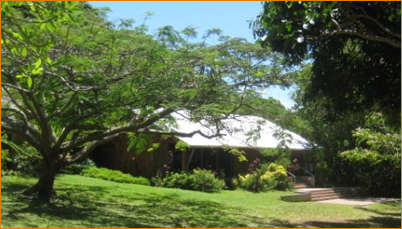
Hymns To Me
Tags: music
Music plays a central role in the story. For this reason, in celebration of the 29th anniversary of Club Rat (on July 7, 2021), Chris has recreated part of the rock song he wrote and performed that evening, Club Rat, so you can at least get a taste of the actual music from that night. (Adi Da had called for an evening of rock music. Club Rat was the opening song of a night of music that would go on to include much more than rock music. . .)
If for some reason, the player above doesn't work, try this player:
or this link.
CLUB RAT
Club Rat.
Club Rat.
The funky place where God is at.
Club Rat.
Club Rat.
The funky place where. . .
only skanks and whores
walk through its doors.
There you find Your Self
and lose yourself.
When the Lord's in town
Everyone gets down.
Club Rat.
Club Rat.
The funky place where God is at.
(etc.)
CHRIS: This recreation is just as we presented it to Beloved Adi Da during the Club Rat gathering, except for some improvements due to better musical equipment and technology (e.g., drum machines instead of upside-down, plastic "piss buckets" 😜 — read the full story for more about that! ).
I wrote Club Rat, keeping in mind the intensity and "badness" of the pop rock music Beloved Adi Da was listening to at the time (like Michael Jackson's Beat It).
The lyrics are drawn from Adi Da's instructions to us about Club Rat, such as: Club Rat was to be the most "funky" place ever; participating devotees had to be "skanks and whores" — in other words, no suppressed energy or emotional-sexual complication (so He could work with our entire energy, not just the superficial part we usually show to or share with others socially); etc.
The lyrics also drew on current, ongoing considerations Adi Da was having with devotees at the time, such as His Calling to us to "get down" (He was riffing on the popular 1970's slang phrase, giving it His Own unique meaning): a reminder for us to incarnate whole bodily (rather than being merely a "point" in the head, refusing to "get down" below the head).
The line, "When the Lord's in town" was a reference to Beloved Adi Da visiting the "village" of Qaravi: the area of the island of Naitauba where His devotees lived and where "Club Rat" (Hymns To Me) was located.
Hymns To Me
Tags: music
[Contains Polish subtitles. If the CC icon ("Subtitles/closed captions") has a red line under it, the subtitles should appear. If you don't see them, just press the CC icon to turn them on.]
Prezentowane tutaj video to fragment rozmowy Adi Da ze studentaim z 1976 roku. Jak zawsze Adi Da Samraj nie oferuje studentom ani pocieszenia ani lepszego życia w przyszłości. "Twoje cierpienie jest twoim własnym działaniem". Lekarstwem jest zrozumienie przyczyny cierpienia i poznanie Tego co cierpienie poprzedza.
In this seminal discourse (at the Mountain Of Attention), from the early years of His Teaching Work, Adi Da speaks about the inevitable process of self-revelation and self-understanding that prepares the being for true Spiritual life.
The full talk is available on the CD, The Grace of Suffering, and on DVD as Volume 2 of the 25th Anniversary DVD Series.
Tags: Polish CD DVD

Prezentowane tutaj video to fragment rozmowy Adi Da ze studentaim z 1976 roku. Jak zawsze Adi Da Samraj nie oferuje studentom ani pocieszenia ani lepszego życia w przyszłości. "Twoje cierpienie jest twoim własnym działaniem". Lekarstwem jest zrozumienie przyczyny cierpienia i poznanie Tego co cierpienie poprzedza.
In this seminal discourse (at the Mountain Of Attention), from the early years of His Teaching Work, Adi Da speaks about the inevitable process of self-revelation and self-understanding that prepares the being for true Spiritual life.
The full talk is available on the CD, The Grace of Suffering, and on DVD as Volume 2 of the 25th Anniversary DVD Series.
Tags: Polish CD DVD
[Contains Finnish subtitles. If the CC icon ("Subtitles/closed captions") has a red line under it, the subtitles should appear. If you don't see them, just press the CC icon to turn them on.]
Tässä tallenteessa lokakuun 12. päivältä 2004 Avatar Adi Da puhuu kuoleman väistämättömyydestä ja siitä syvän tarkoitusperän elämästä joka loistaa yli kuolevaisuuden.
In this excerpt, "Elämän eläminen uhrauksena Jumalassa on avain kuoleman prosessiin" ("Living life as a sacrifice in God is the key to the death process"), from an Avataric Discourse from October 12, 2004, at Adi Da Samrajashram, Adi Da addresses the inevitability of death, the life of profound purpose that outshines mortality, and how living life as a sacrifice in the Divine is the key to the death process.
The full Avataric Discourse can be found on the DVD, The Wordless Condition Prior to "I".
Tags: Finnish Avataric Discourse DVD

Tässä tallenteessa lokakuun 12. päivältä 2004 Avatar Adi Da puhuu kuoleman väistämättömyydestä ja siitä syvän tarkoitusperän elämästä joka loistaa yli kuolevaisuuden.
In this excerpt, "Elämän eläminen uhrauksena Jumalassa on avain kuoleman prosessiin" ("Living life as a sacrifice in God is the key to the death process"), from an Avataric Discourse from October 12, 2004, at Adi Da Samrajashram, Adi Da addresses the inevitability of death, the life of profound purpose that outshines mortality, and how living life as a sacrifice in the Divine is the key to the death process.
The full Avataric Discourse can be found on the DVD, The Wordless Condition Prior to "I".
Tags: Finnish Avataric Discourse DVD
[Contains Finnish subtitles. If the CC icon ("Subtitles/closed captions") has a red line under it, the subtitles should appear. If you don't see them, just press the CC icon to turn them on.]
Tässä keskustelussa vuodelta 1988 Avatar Adi Da puhuu "sadhanan", tai hengellisen harjoituksen, tarpeellisuudesta kun elää omistautuvassa suhteessa Jumalan Toteuttaneen Hengellisen Mestarin kanssa.
On July 2, 1988, in Land Bridge Pavilion at The Mountain Of Attention, Adi Da gives the talk, "Contemplation, Satsang, Sadhana", which would appear in the May/June 1988 issue of Crazy Wisdom Magazine.
In this excerpt, "Omistaudu Jumalan Toteutukselle" ("Dedicate Your Life To God-Realization"), Adi Da speaks about the necessity for "sadhana", or spiritual practice, in relationship to the God-Realized Spiritual Master.
ADI DA: All there is is a mechanism to be dealt with. You're not uniquely born. It's the same mechanism as in all other cases. And, in all cases it requires a tremendous ordeal.
Beginning at 17:30 (and continuing to the end of this video), a formal Darshan occasion is shown.
Tags: Finnish

Tässä keskustelussa vuodelta 1988 Avatar Adi Da puhuu "sadhanan", tai hengellisen harjoituksen, tarpeellisuudesta kun elää omistautuvassa suhteessa Jumalan Toteuttaneen Hengellisen Mestarin kanssa.
On July 2, 1988, in Land Bridge Pavilion at The Mountain Of Attention, Adi Da gives the talk, "Contemplation, Satsang, Sadhana", which would appear in the May/June 1988 issue of Crazy Wisdom Magazine.
In this excerpt, "Omistaudu Jumalan Toteutukselle" ("Dedicate Your Life To God-Realization"), Adi Da speaks about the necessity for "sadhana", or spiritual practice, in relationship to the God-Realized Spiritual Master.
ADI DA: All there is is a mechanism to be dealt with. You're not uniquely born. It's the same mechanism as in all other cases. And, in all cases it requires a tremendous ordeal.
Beginning at 17:30 (and continuing to the end of this video), a formal Darshan occasion is shown.
Tags: Finnish
[Contains Finnish subtitles. If the CC icon ("Subtitles/closed captions") has a red line under it, the subtitles should appear. If you don't see them, just press the CC icon to turn them on.]
Sanat kuten "vapaus" ja "rakkaus" määritetään yleisesssä maallikkoympäristössä erittäin rajoitetusti. Tässä Adi Dan esseen lausunnassa hän avaa näiden sanojen aitoa merkitystä.
Slides from a Darshan occasion of Avatar Adi Da at Adi Da Samrajashram.
The audio recording is an excerpt from a recitation of Adi Da's essay, "Freedom Is The Only Law and Happiness Is The Only Reality". This is the Epilogue from Adi Da's book, The Truly Human New World-Culture of Unbroken Real-God-Man, which was originally written in 2001, and updated on November 13, 2019. The essay is read by a student of Adi Da. In the secular world, words like "freedom" and " love" are given a very limited definition. In this essay, Adi Da expands the true meaning of both of these words.
ADI DA: I Am here to Divinely Liberate all beings.
I Am here to Grant True Freedom to every one.
“Freedom” is one of the principal words associated with the politics of this “late-time”. The general trend toward the democratization of the entire world carries with it an intensified interest in the concept of freedom and in the pursuit of freedom. However, in the context and circumstance of this “late-time”, the word “freedom” is used in such a way that the true import of the word is lost, and its meaning is transformed, and even vulgarized.
The same process of vulgarization has also occurred in the case of other words, such as (for example) the word “love”. The word “love” represents a profound concept and reality, but the word itself tends to be used very casually. People commonly say that they “love” this or that, meaning something quite different from what the word “love” rightly and truly signifies.
“Love” is a word that rightly refers to the universal Sacrifice of ego-“self”. Real love is a matter of transcending “self” (or going beyond your limitations in relation to others)—but, in the “late-time” circumstance of vulgarized culture, the word “love” has come to be used in relation to whatever satisfies your inclinations, or fulfills your desires, or (otherwise) somehow compensates for limitations in your life by pleasing you and (thereby) supporting your egoic disposition. None of that has anything to do with real love.
So it also is with the word “freedom”, and the notion of freedom. The world-culture of this “late-time” is essentially an ego-culture associated with complications in the first three stages of life. It is essentially an adolescent culture. And it is in the context of that culture that great words like “love” and “freedom” become vulgarized. In the adolescent disposition, the word “freedom”, like the word “love”, is reduced to an egoic meaning. People say they want to be “free”, or want to act “freely”, or want to be “free” to do this or that—but what they actually mean is that they want to be able to fulfill their desires without limitation. An adolescent reacting to parental authority or parental expectations regards any such authority or expectations to be oppressive or limiting. Therefore, such adolescents say that they want to be “free” to do whatever they please. And that is, in general, what is meant in this “late-time” by the word “freedom”. Even in the larger political sphere, the word “freedom” is used to express the (personal, and also collective) intent to be able to fulfill desires—and those desires are (necessarily) fundamentally ego-based.
What does the fulfillment of desires have to do with true freedom? Rightly, the word “freedom” is synonymous with the word “liberation”. To “be free”, or to “be liberated”, means to “go beyond bondage”. The opposite of “freedom” is “bondage”. If one is truly moved to be truly free, one is moved to relinquish (and go beyond) bondage. Such is the true Wisdom-understanding of freedom.
Neither true freedom, nor real love, nor any other great concept is rightly understood via the words and concepts of adolescents. There must be human maturity (and, therefore, growth in Wisdom) for the great meanings underlying these concepts to be understood and actually lived.
Be moved toward real love, without limit. Be moved toward real happiness, without limit.
Be moved toward true freedom, without limit. You should (and, ultimately, must) be so moved. But to actually realize love (or real happiness, or true freedom) without limit, you must deal with yourself most profoundly. You cannot merely be reactive, like an adolescent or a worldly person.
If you want to be truly free, you must first understand that you are bound, and you must understand how you are bound, and then you must do something about that. If, on the other hand, you are merely reactively inclined to fulfill desires, and you want to be (so-called) “free” to do so, then you are not examining your bondage—what its roots are, what its signs are, what its characteristics are—and, if you are not examining your bondage with real discriminative intelligence, you are also not doing what you must do in order to be truly free.
Tags: Finnish

Sanat kuten "vapaus" ja "rakkaus" määritetään yleisesssä maallikkoympäristössä erittäin rajoitetusti. Tässä Adi Dan esseen lausunnassa hän avaa näiden sanojen aitoa merkitystä.
Slides from a Darshan occasion of Avatar Adi Da at Adi Da Samrajashram.
The audio recording is an excerpt from a recitation of Adi Da's essay, "Freedom Is The Only Law and Happiness Is The Only Reality". This is the Epilogue from Adi Da's book, The Truly Human New World-Culture of Unbroken Real-God-Man, which was originally written in 2001, and updated on November 13, 2019. The essay is read by a student of Adi Da. In the secular world, words like "freedom" and " love" are given a very limited definition. In this essay, Adi Da expands the true meaning of both of these words.
ADI DA: I Am here to Divinely Liberate all beings.
I Am here to Grant True Freedom to every one.
“Freedom” is one of the principal words associated with the politics of this “late-time”. The general trend toward the democratization of the entire world carries with it an intensified interest in the concept of freedom and in the pursuit of freedom. However, in the context and circumstance of this “late-time”, the word “freedom” is used in such a way that the true import of the word is lost, and its meaning is transformed, and even vulgarized.
The same process of vulgarization has also occurred in the case of other words, such as (for example) the word “love”. The word “love” represents a profound concept and reality, but the word itself tends to be used very casually. People commonly say that they “love” this or that, meaning something quite different from what the word “love” rightly and truly signifies.
“Love” is a word that rightly refers to the universal Sacrifice of ego-“self”. Real love is a matter of transcending “self” (or going beyond your limitations in relation to others)—but, in the “late-time” circumstance of vulgarized culture, the word “love” has come to be used in relation to whatever satisfies your inclinations, or fulfills your desires, or (otherwise) somehow compensates for limitations in your life by pleasing you and (thereby) supporting your egoic disposition. None of that has anything to do with real love.
So it also is with the word “freedom”, and the notion of freedom. The world-culture of this “late-time” is essentially an ego-culture associated with complications in the first three stages of life. It is essentially an adolescent culture. And it is in the context of that culture that great words like “love” and “freedom” become vulgarized. In the adolescent disposition, the word “freedom”, like the word “love”, is reduced to an egoic meaning. People say they want to be “free”, or want to act “freely”, or want to be “free” to do this or that—but what they actually mean is that they want to be able to fulfill their desires without limitation. An adolescent reacting to parental authority or parental expectations regards any such authority or expectations to be oppressive or limiting. Therefore, such adolescents say that they want to be “free” to do whatever they please. And that is, in general, what is meant in this “late-time” by the word “freedom”. Even in the larger political sphere, the word “freedom” is used to express the (personal, and also collective) intent to be able to fulfill desires—and those desires are (necessarily) fundamentally ego-based.
What does the fulfillment of desires have to do with true freedom? Rightly, the word “freedom” is synonymous with the word “liberation”. To “be free”, or to “be liberated”, means to “go beyond bondage”. The opposite of “freedom” is “bondage”. If one is truly moved to be truly free, one is moved to relinquish (and go beyond) bondage. Such is the true Wisdom-understanding of freedom.
Neither true freedom, nor real love, nor any other great concept is rightly understood via the words and concepts of adolescents. There must be human maturity (and, therefore, growth in Wisdom) for the great meanings underlying these concepts to be understood and actually lived.
Be moved toward real love, without limit. Be moved toward real happiness, without limit.
Be moved toward true freedom, without limit. You should (and, ultimately, must) be so moved. But to actually realize love (or real happiness, or true freedom) without limit, you must deal with yourself most profoundly. You cannot merely be reactive, like an adolescent or a worldly person.
If you want to be truly free, you must first understand that you are bound, and you must understand how you are bound, and then you must do something about that. If, on the other hand, you are merely reactively inclined to fulfill desires, and you want to be (so-called) “free” to do so, then you are not examining your bondage—what its roots are, what its signs are, what its characteristics are—and, if you are not examining your bondage with real discriminative intelligence, you are also not doing what you must do in order to be truly free.
Tags: Finnish
[Contains Polish subtitles. If the CC icon ("Subtitles/closed captions") has a red line under it, the subtitles should appear. If you don't see them, just press the CC icon to turn them on.]
„Świadome Światło” wielokrotnie nagradzany dokument o niezwykłym życiu wielkiego duchowego mistrza Adi Da Samraj. 11 czerwca, godzina 19.30 – 21.00 CEST
Opierając się na obszernych zbiorach archiwalnych filmów, fotografii i nagrań audio, jak również na wywiadach z uczniami, którzy mieszkali z Adi Da i praktykują jego nauki, „Świadome Światło” zabierze Cię w podróż od narodzin Adi Da poprzez 36 lat jego nauczania aż po przekaz jego spuścizny i żywego duchowego związku z nim.
Zarejestruj się teraz na stronie i zarezerwuj miejsce: www.consciouslightfilm.eu
Po zarejestrowaniu otrzymasz od nas potwierdzenie i linka do filmu.
The award-winning film, Conscious Light, offers a penetrating insight into the extraordinary life and Enlightened teachings of Avatar Adi Da Samraj, who offers a completely elaborated way of absolute Enlightenment for all.
For more information and screening dates and times, visit the film's website.
Tags: Conscious Light DVD Polish

„Świadome Światło” wielokrotnie nagradzany dokument o niezwykłym życiu wielkiego duchowego mistrza Adi Da Samraj. 11 czerwca, godzina 19.30 – 21.00 CEST
Opierając się na obszernych zbiorach archiwalnych filmów, fotografii i nagrań audio, jak również na wywiadach z uczniami, którzy mieszkali z Adi Da i praktykują jego nauki, „Świadome Światło” zabierze Cię w podróż od narodzin Adi Da poprzez 36 lat jego nauczania aż po przekaz jego spuścizny i żywego duchowego związku z nim.
Zarejestruj się teraz na stronie i zarezerwuj miejsce: www.consciouslightfilm.eu
Po zarejestrowaniu otrzymasz od nas potwierdzenie i linka do filmu.
The award-winning film, Conscious Light, offers a penetrating insight into the extraordinary life and Enlightened teachings of Avatar Adi Da Samraj, who offers a completely elaborated way of absolute Enlightenment for all.
For more information and screening dates and times, visit the film's website.
Tags: Conscious Light DVD Polish
Audio/Video Links:


Most Popular Categories:
- Adi Da's Talks (463)
- Devotees' Stories of Adi Da (150)
- Adi Da's Image-Art (68)
- Not-Two Is Peace (54)
- Formal Darshan Occasions (36)
- Adi Da's Poetry (11)
- Tribute to Adi Da's Life and Work (11)
- Avataric Discourses: 2004 - 2005 (196)
- DVDs (198) / CDs (240) from the Dawn Horse Press
- Multi-Part Series (67)