Adi Da Up Close
Audio/Video Library
Our multimedia library currently contains 1,023 YouTube video clips and audio clips about (or related to) Adi Da and Adidam.


This is an excerpt from track 1 (“Seeking is the Pursuit of Union”) of the CD, Real self-Understanding Is Right Now, available from The Dawn Horse Press.
On the CD is a seminal Discourse on self-understanding given by Adi Da on April 8, 1993. In this Discourse, Adi Da calls all those inclined to Realize True Freedom to first recognize the failure of their search — which is based on the illusion of separation. Rather than engaging the ordinary pursuit of union with all others and things from which we feel separate, Avatar Adi Da says we must find out that our inherent Condition is one of Perfect Non-separation.
ADI DA: You are doing this contraction. The stress you say you are feeling is the result of that. . . The more you feel that you yourself are doing it, the more it relaxes. . . You are, as it relaxes, directly surrendered, truly forgetting yourself, entering into the Field of Non-Separateness — which is My Very Nature, Condition, Sign, Demonstration, Transmission.
Tags: CD
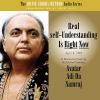
On the CD is a seminal Discourse on self-understanding given by Adi Da on April 8, 1993. In this Discourse, Adi Da calls all those inclined to Realize True Freedom to first recognize the failure of their search — which is based on the illusion of separation. Rather than engaging the ordinary pursuit of union with all others and things from which we feel separate, Avatar Adi Da says we must find out that our inherent Condition is one of Perfect Non-separation.
ADI DA: You are doing this contraction. The stress you say you are feeling is the result of that. . . The more you feel that you yourself are doing it, the more it relaxes. . . You are, as it relaxes, directly surrendered, truly forgetting yourself, entering into the Field of Non-Separateness — which is My Very Nature, Condition, Sign, Demonstration, Transmission.
Tags: CD
[Contains Italian subtitles. If the CC icon ("Subtitles/closed captions") has a red line under it, the subtitles should appear. If you don't see them, just press the CC icon to turn them on.]
This is a video excerpt from Adi Da's classic talk, "The Bodily Location of Happiness", which He gave on November 28, 1981. This talk was originally published in the book, The Bodily Location Of Happiness. The full talk is available on CD and on a new DVD, The Location Of Happiness.
Tags: CD DVD Italian

This is a video excerpt from Adi Da's classic talk, "The Bodily Location of Happiness", which He gave on November 28, 1981. This talk was originally published in the book, The Bodily Location Of Happiness. The full talk is available on CD and on a new DVD, The Location Of Happiness.
Tags: CD DVD Italian
[Contains Italian subtitles. If the CC icon ("Subtitles/closed captions") has a red line under it, the subtitles should appear. If you don't see them, just press the CC icon to turn them on.]
Isabelle Trudeau, studentka Adi Da mówi o procesie, dzięki któremu rozpoznania Adi Da jako jej Mistrza duchowego i o jej decyzji formalnego wstąpienia na Drogę Serca.
Isabelle Trudeau, a devotee of Adi Da, talks about the process by which she recognized Adi Da as her Spiritual Master and about her decision to formally take up the Way of Adidam.
Tags: Italian

Isabelle Trudeau, studentka Adi Da mówi o procesie, dzięki któremu rozpoznania Adi Da jako jej Mistrza duchowego i o jej decyzji formalnego wstąpienia na Drogę Serca.
Isabelle Trudeau, a devotee of Adi Da, talks about the process by which she recognized Adi Da as her Spiritual Master and about her decision to formally take up the Way of Adidam.
Tags: Italian
[Contains Finnish subtitles. If the CC icon ("Subtitles/closed captions") has a red line under it, the subtitles should appear. If you don't see them, just press the CC icon to turn them on.]
Isabelle Trudeau, a devotee of Adi Da, talks about the process by which she recognized Adi Da as her Spiritual Master and about her decision to formally take up the Way of Adidam.
Tags: Finnish

Isabelle Trudeau, a devotee of Adi Da, talks about the process by which she recognized Adi Da as her Spiritual Master and about her decision to formally take up the Way of Adidam.
Tags: Finnish
[Contains Polish subtitles. If the CC icon ("Subtitles/closed captions") has a red line under it, the subtitles should appear. If you don't see them, just press the CC icon to turn them on.]
Isabelle Trudeau, studentka Adi Da mówi o procesie, dzięki któremu rozpoznania Adi Da jako jej Mistrza duchowego i o jej decyzji formalnego wstąpienia na Drogę Serca.
Isabelle Trudeau, a devotee of Adi Da, talks about the process by which she recognized Adi Da as her Spiritual Master and about her decision to formally take up the Way of Adidam.
Tags: Polish

Isabelle Trudeau, studentka Adi Da mówi o procesie, dzięki któremu rozpoznania Adi Da jako jej Mistrza duchowego i o jej decyzji formalnego wstąpienia na Drogę Serca.
Isabelle Trudeau, a devotee of Adi Da, talks about the process by which she recognized Adi Da as her Spiritual Master and about her decision to formally take up the Way of Adidam.
Tags: Polish
[Contains Finnish subtitles. If the CC icon ("Subtitles/closed captions") has a red line under it, the subtitles should appear. If you don't see them, just press the CC icon to turn them on.]
Avatar Adi Dan antama puhe vuodelta 1981, joka käsittelee Aidon Ilon luonnetta ja sen Toteutusta hetkestä hetkeen, joka ei onnistu sitä etsimällä.
This is a video excerpt from Adi Da's classic talk, "The Bodily Location of Happiness", which He gave on November 28, 1981. This talk was originally published in the book, The Bodily Location Of Happiness. The full talk is available on CD and on a new DVD, The Location Of Happiness.
Tags: CD DVD Finnish
Avatar Adi Dan antama puhe vuodelta 1981, joka käsittelee Aidon Ilon luonnetta ja sen Toteutusta hetkestä hetkeen, joka ei onnistu sitä etsimällä.
This is a video excerpt from Adi Da's classic talk, "The Bodily Location of Happiness", which He gave on November 28, 1981. This talk was originally published in the book, The Bodily Location Of Happiness. The full talk is available on CD and on a new DVD, The Location Of Happiness.
Tags: CD DVD Finnish
Author and longtime devotee James Steinberg gave a talk and video presentation at the Westside Tower Salon on August 24, 2019, on his personally close relationship to Adi Da Samraj and on reactions from people raised in Western civilization to the Guru-devotee relationship. James also described how, later in His life, Adi Da became a prolific, internationally recognized contemporary artist.
Westside Tower Salon is something of an intimate think tank — a social gathering networking venue, modeled in the spirit of the artistic and literary salons of the 17th and 18th centuries. Artist Frederick Abrams started the salon in Abrams' Tower, his new multimedia arts building in West Los Angeles.

Westside Tower Salon is something of an intimate think tank — a social gathering networking venue, modeled in the spirit of the artistic and literary salons of the 17th and 18th centuries. Artist Frederick Abrams started the salon in Abrams' Tower, his new multimedia arts building in West Los Angeles.
This is a video excerpt from Adi Da's classic talk, "The Bodily Location of Happiness", which He gave on November 28, 1981.
This excerpt is track 2 of the CD, The Impulse to God-Realization, a collection of talks focusing on Adi Da's clarifying Wisdom on the Impulse to Realize God that is inherent in all beings, and His Divine Offering and Instruction on the Ultimate Means to cultivate this heart-Impulse, thereby allowing it to become the guiding force of one's entire life.
Tags: CD DVD
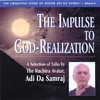
This excerpt is track 2 of the CD, The Impulse to God-Realization, a collection of talks focusing on Adi Da's clarifying Wisdom on the Impulse to Realize God that is inherent in all beings, and His Divine Offering and Instruction on the Ultimate Means to cultivate this heart-Impulse, thereby allowing it to become the guiding force of one's entire life.
Tags: CD DVD
[Contains Polish subtitles. If the CC icon ("Subtitles/closed captions") has a red line under it, the subtitles should appear. If you don't see them, just press the CC icon to turn them on.]
Klasyczny dyskurs Awatara Adi Da z 1981 r. Adi Da rozważa naturę prawdziwego szczęścia i tego, jak nie szukając szczęścia można je realizować w każdej chwili.
"Gdzie umiejscowione jest szczęście?" ("Where is happiness located?") is a video excerpt from Adi Da's classic talk, "The Bodily Location of Happiness", which He gave on November 28, 1981. This talk was originally published in the book, The Bodily Location Of Happiness. The full talk is available on CD.
The talk communicates several core insights:
1. Everybody is intuitively familiar with happiness. You don't have to be a devotee of Adi Da! This was part of the reason Adi Da chose "happiness" as the focus of this Teaching period: because the subject was so accessible. Everyone knows what it's like to be happy (at least a little). It's just that most people are not aware that Perfect, Eternal Happiness is possible and Realizable. (And it certainly isn't, through ordinary human means.) Adi Da: "All beings are always already Happy. You always know, at this very moment you know exactly, what it would be to look and feel and be and act completely Happy." The esoteric reason everyone is familiar with happiness is because everyone is always, already happy. And the esoteric reason everyone yearns for complete happiness is because complete happiness is realizable — and everyone's heart knows that.
2. Adi Da's "Lesson of Life":"You can't become happy; you can only be (already) happy." People are always seeking for happiness. The "pursuit of happiness" (not happiness itself!) is even enshrined as an "unalienable right" (alongside life and liberty) in the preamble of the United States Declaration of Independence. Its author, Thomas Jefferson, knew better than to think a government could guarantee happiness itself — hence only the guarantee of "the pursuit of happiness". Only a Divine Incarnation can guarantee Happiness Itself.
Adi Da reveals that happiness is the native state of beings. It is already the case. Every attempt to seek for it (mis-identifying the source of happiness as some object or other) in fact serves to dissociate one from it. Adi Da: "You think that you can seek Happiness and find it. Your search for Happiness is itself a confession of un-Happiness. You cannot realize Happiness by persisting in un-Happiness, persisting in the method of un-Happiness. All seeking is an expression of un-Happiness, all seeking is the method of un-Happiness, the practice of un-Happiness. This must be understood. It is not merely true — it must be understood."
Self-understanding allows one to get this point. Based on self-understanding, one can devote oneself to Happiness rather than to seeking for It and settling for the little bit of Infinite Happiness that "bleeds through" the clench of ego into conditions. This ultimately enables the Eternal Realization of Infinite, Perfect Happiness. Adi Da: "Understand your un-Happiness. Then you will be capable of locating Happiness, and, having located Happiness, you will be capable of practicing the Way of Adidam, which is nothing but the devotion of life to Happiness."
3. The Transmission of the Divine Guru is How One Locates Happiness. The subtitle of the book, The Bodily Location Of Happiness, is: "On the Incarnation of the Divine Person and the Transmission of Love-Bliss". In other words, you can't apply "The Lesson of Life" by somehow "locating" happiness directly, by yourself (or in yourself). Happiness is our native state, but that doesn't mean it can be located by an egoic, "do it yourself" process. We locate happiness directly as a Grace-given Gift, through devotion to the Transcendental Spiritual Transmission of Adi Da. Adi Da: "Happiness is presently the case. In this moment you are already Happy. Sitting with Me, locate this Happiness." We locate our "Native State" by recognizing and submitting to our "Native Person" — our Very Self appearing here in bodily (human) form.
4. It is a Process of Whole Bodily Location. "The bodily location of Happiness" is not primarily a reference to some place where Happiness resides in the body (although Adi Da teases His listeners with this idea: "Look for it in your toes, in your fingers, in your shirt, in your head"). It refers to a process ("the bodily location of Happiness" = "the locating of Happiness with the whole body-mind") that involves the surrender and transformation of every aspect of the body-mind, immersed in the Perfectly Happy State of the Divine Guru, through recognition of Him as the Divine in every moment. Then the secondary and supportive practices of the Way of Adidam become means for staying immersed in that Divine State in every moment: "Having located Happiness [having recognized Adi Da as the Divine], you will be capable of practicing the Way of Adidam, which is nothing but the devotion of life to Happiness [Adi Da, recognized as the Divine]. The practices of this Way are not methods for attaining Happiness, but they are the expressions of Happiness. The disciplines of money, food, and sex are not a way to become Happy. Discipline is difficult enough — why should we also burden it with the obligation to make us Happy!"
Tags: happiness CD Polish
Klasyczny dyskurs Awatara Adi Da z 1981 r. Adi Da rozważa naturę prawdziwego szczęścia i tego, jak nie szukając szczęścia można je realizować w każdej chwili.
"Gdzie umiejscowione jest szczęście?" ("Where is happiness located?") is a video excerpt from Adi Da's classic talk, "The Bodily Location of Happiness", which He gave on November 28, 1981. This talk was originally published in the book, The Bodily Location Of Happiness. The full talk is available on CD.
The talk communicates several core insights:
1. Everybody is intuitively familiar with happiness. You don't have to be a devotee of Adi Da! This was part of the reason Adi Da chose "happiness" as the focus of this Teaching period: because the subject was so accessible. Everyone knows what it's like to be happy (at least a little). It's just that most people are not aware that Perfect, Eternal Happiness is possible and Realizable. (And it certainly isn't, through ordinary human means.) Adi Da: "All beings are always already Happy. You always know, at this very moment you know exactly, what it would be to look and feel and be and act completely Happy." The esoteric reason everyone is familiar with happiness is because everyone is always, already happy. And the esoteric reason everyone yearns for complete happiness is because complete happiness is realizable — and everyone's heart knows that.
2. Adi Da's "Lesson of Life":"You can't become happy; you can only be (already) happy." People are always seeking for happiness. The "pursuit of happiness" (not happiness itself!) is even enshrined as an "unalienable right" (alongside life and liberty) in the preamble of the United States Declaration of Independence. Its author, Thomas Jefferson, knew better than to think a government could guarantee happiness itself — hence only the guarantee of "the pursuit of happiness". Only a Divine Incarnation can guarantee Happiness Itself.
Adi Da reveals that happiness is the native state of beings. It is already the case. Every attempt to seek for it (mis-identifying the source of happiness as some object or other) in fact serves to dissociate one from it. Adi Da: "You think that you can seek Happiness and find it. Your search for Happiness is itself a confession of un-Happiness. You cannot realize Happiness by persisting in un-Happiness, persisting in the method of un-Happiness. All seeking is an expression of un-Happiness, all seeking is the method of un-Happiness, the practice of un-Happiness. This must be understood. It is not merely true — it must be understood."
Self-understanding allows one to get this point. Based on self-understanding, one can devote oneself to Happiness rather than to seeking for It and settling for the little bit of Infinite Happiness that "bleeds through" the clench of ego into conditions. This ultimately enables the Eternal Realization of Infinite, Perfect Happiness. Adi Da: "Understand your un-Happiness. Then you will be capable of locating Happiness, and, having located Happiness, you will be capable of practicing the Way of Adidam, which is nothing but the devotion of life to Happiness."
3. The Transmission of the Divine Guru is How One Locates Happiness. The subtitle of the book, The Bodily Location Of Happiness, is: "On the Incarnation of the Divine Person and the Transmission of Love-Bliss". In other words, you can't apply "The Lesson of Life" by somehow "locating" happiness directly, by yourself (or in yourself). Happiness is our native state, but that doesn't mean it can be located by an egoic, "do it yourself" process. We locate happiness directly as a Grace-given Gift, through devotion to the Transcendental Spiritual Transmission of Adi Da. Adi Da: "Happiness is presently the case. In this moment you are already Happy. Sitting with Me, locate this Happiness." We locate our "Native State" by recognizing and submitting to our "Native Person" — our Very Self appearing here in bodily (human) form.
4. It is a Process of Whole Bodily Location. "The bodily location of Happiness" is not primarily a reference to some place where Happiness resides in the body (although Adi Da teases His listeners with this idea: "Look for it in your toes, in your fingers, in your shirt, in your head"). It refers to a process ("the bodily location of Happiness" = "the locating of Happiness with the whole body-mind") that involves the surrender and transformation of every aspect of the body-mind, immersed in the Perfectly Happy State of the Divine Guru, through recognition of Him as the Divine in every moment. Then the secondary and supportive practices of the Way of Adidam become means for staying immersed in that Divine State in every moment: "Having located Happiness [having recognized Adi Da as the Divine], you will be capable of practicing the Way of Adidam, which is nothing but the devotion of life to Happiness [Adi Da, recognized as the Divine]. The practices of this Way are not methods for attaining Happiness, but they are the expressions of Happiness. The disciplines of money, food, and sex are not a way to become Happy. Discipline is difficult enough — why should we also burden it with the obligation to make us Happy!"
Tags: happiness CD Polish
[Contains French subtitles. If the CC icon ("Subtitles/closed captions") has a red line under it, the subtitles should appear. If you don't see them, just press the CC icon to turn them on.]
Un discours classique donné par Avatar Adi Da en 1981 sur la nature du Vrai Bonheur et la façon dont il peut être Réalisé d'un moment à l'autre, mais pas en le recherchant.
This is a video excerpt from Adi Da's classic talk, "The Bodily Location of Happiness" (French: "L'Emplacement Corporel du Bonheur"), which He gave on November 28, 1981. This talk was originally published in the book, The Bodily Location Of Happiness. The full talk is available on CD.
The talk communicates several core insights:
1. Everybody is intuitively familiar with happiness. You don't have to be a devotee of Adi Da! This was part of the reason Adi Da chose "happiness" as the focus of this Teaching period: because the subject was so accessible. Everyone knows what it's like to be happy (at least a little). It's just that most people are not aware that Perfect, Eternal Happiness is possible and Realizable. (And it certainly isn't, through ordinary human means.) Adi Da: "All beings are always already Happy. You always know, at this very moment you know exactly, what it would be to look and feel and be and act completely Happy." The esoteric reason everyone is familiar with happiness is because everyone is always, already happy. And the esoteric reason everyone yearns for complete happiness is because complete happiness is realizable — and everyone's heart knows that.
2. Adi Da's "Lesson of Life":"You can't become happy; you can only be (already) happy." People are always seeking for happiness. The "pursuit of happiness" (not happiness itself!) is even enshrined as an "unalienable right" (alongside life and liberty) in the preamble of the United States Declaration of Independence. Its author, Thomas Jefferson, knew better than to think a government could guarantee happiness itself — hence only the guarantee of "the pursuit of happiness". Only a Divine Incarnation can guarantee Happiness Itself.
Adi Da reveals that happiness is the native state of beings. It is already the case. Every attempt to seek for it (mis-identifying the source of happiness as some object or other) in fact serves to dissociate one from it. Adi Da: "You think that you can seek Happiness and find it. Your search for Happiness is itself a confession of un-Happiness. You cannot realize Happiness by persisting in un-Happiness, persisting in the method of un-Happiness. All seeking is an expression of un-Happiness, all seeking is the method of un-Happiness, the practice of un-Happiness. This must be understood. It is not merely true — it must be understood."
Self-understanding allows one to get this point. Based on self-understanding, one can devote oneself to Happiness rather than to seeking for It and settling for the little bit of Infinite Happiness that "bleeds through" the clench of ego into conditions. This ultimately enables the Eternal Realization of Infinite, Perfect Happiness. Adi Da: "Understand your un-Happiness. Then you will be capable of locating Happiness, and, having located Happiness, you will be capable of practicing the Way of Adidam, which is nothing but the devotion of life to Happiness."
3. The Transmission of the Divine Guru is How One Locates Happiness. The subtitle of the book, The Bodily Location Of Happiness, is: "On the Incarnation of the Divine Person and the Transmission of Love-Bliss". In other words, you can't apply "The Lesson of Life" by somehow "locating" happiness directly, by yourself (or in yourself). Happiness is our native state, but that doesn't mean it can be located by an egoic, "do it yourself" process. We locate happiness directly as a Grace-given Gift, through devotion to the Transcendental Spiritual Transmission of Adi Da. Adi Da: "Happiness is presently the case. In this moment you are already Happy. Sitting with Me, locate this Happiness." We locate our "Native State" by recognizing and submitting to our "Native Person" — our Very Self appearing here in bodily (human) form.
4. It is a Process of Whole Bodily Location. "The bodily location of Happiness" is not primarily a reference to some place where Happiness resides in the body (although Adi Da teases His listeners with this idea: "Look for it in your toes, in your fingers, in your shirt, in your head"). It refers to a process ("the bodily location of Happiness" = "the locating of Happiness with the whole body-mind") that involves the surrender and transformation of every aspect of the body-mind, immersed in the Perfectly Happy State of the Divine Guru, through recognition of Him as the Divine in every moment. Then the secondary and supportive practices of the Way of Adidam become means for staying immersed in that Divine State in every moment: "Having located Happiness [having recognized Adi Da as the Divine], you will be capable of practicing the Way of Adidam, which is nothing but the devotion of life to Happiness [Adi Da, recognized as the Divine]. The practices of this Way are not methods for attaining Happiness, but they are the expressions of Happiness. The disciplines of money, food, and sex are not a way to become Happy. Discipline is difficult enough — why should we also burden it with the obligation to make us Happy!"
Tags: happiness CD French
Un discours classique donné par Avatar Adi Da en 1981 sur la nature du Vrai Bonheur et la façon dont il peut être Réalisé d'un moment à l'autre, mais pas en le recherchant.
This is a video excerpt from Adi Da's classic talk, "The Bodily Location of Happiness" (French: "L'Emplacement Corporel du Bonheur"), which He gave on November 28, 1981. This talk was originally published in the book, The Bodily Location Of Happiness. The full talk is available on CD.
The talk communicates several core insights:
1. Everybody is intuitively familiar with happiness. You don't have to be a devotee of Adi Da! This was part of the reason Adi Da chose "happiness" as the focus of this Teaching period: because the subject was so accessible. Everyone knows what it's like to be happy (at least a little). It's just that most people are not aware that Perfect, Eternal Happiness is possible and Realizable. (And it certainly isn't, through ordinary human means.) Adi Da: "All beings are always already Happy. You always know, at this very moment you know exactly, what it would be to look and feel and be and act completely Happy." The esoteric reason everyone is familiar with happiness is because everyone is always, already happy. And the esoteric reason everyone yearns for complete happiness is because complete happiness is realizable — and everyone's heart knows that.
2. Adi Da's "Lesson of Life":"You can't become happy; you can only be (already) happy." People are always seeking for happiness. The "pursuit of happiness" (not happiness itself!) is even enshrined as an "unalienable right" (alongside life and liberty) in the preamble of the United States Declaration of Independence. Its author, Thomas Jefferson, knew better than to think a government could guarantee happiness itself — hence only the guarantee of "the pursuit of happiness". Only a Divine Incarnation can guarantee Happiness Itself.
Adi Da reveals that happiness is the native state of beings. It is already the case. Every attempt to seek for it (mis-identifying the source of happiness as some object or other) in fact serves to dissociate one from it. Adi Da: "You think that you can seek Happiness and find it. Your search for Happiness is itself a confession of un-Happiness. You cannot realize Happiness by persisting in un-Happiness, persisting in the method of un-Happiness. All seeking is an expression of un-Happiness, all seeking is the method of un-Happiness, the practice of un-Happiness. This must be understood. It is not merely true — it must be understood."
Self-understanding allows one to get this point. Based on self-understanding, one can devote oneself to Happiness rather than to seeking for It and settling for the little bit of Infinite Happiness that "bleeds through" the clench of ego into conditions. This ultimately enables the Eternal Realization of Infinite, Perfect Happiness. Adi Da: "Understand your un-Happiness. Then you will be capable of locating Happiness, and, having located Happiness, you will be capable of practicing the Way of Adidam, which is nothing but the devotion of life to Happiness."
3. The Transmission of the Divine Guru is How One Locates Happiness. The subtitle of the book, The Bodily Location Of Happiness, is: "On the Incarnation of the Divine Person and the Transmission of Love-Bliss". In other words, you can't apply "The Lesson of Life" by somehow "locating" happiness directly, by yourself (or in yourself). Happiness is our native state, but that doesn't mean it can be located by an egoic, "do it yourself" process. We locate happiness directly as a Grace-given Gift, through devotion to the Transcendental Spiritual Transmission of Adi Da. Adi Da: "Happiness is presently the case. In this moment you are already Happy. Sitting with Me, locate this Happiness." We locate our "Native State" by recognizing and submitting to our "Native Person" — our Very Self appearing here in bodily (human) form.
4. It is a Process of Whole Bodily Location. "The bodily location of Happiness" is not primarily a reference to some place where Happiness resides in the body (although Adi Da teases His listeners with this idea: "Look for it in your toes, in your fingers, in your shirt, in your head"). It refers to a process ("the bodily location of Happiness" = "the locating of Happiness with the whole body-mind") that involves the surrender and transformation of every aspect of the body-mind, immersed in the Perfectly Happy State of the Divine Guru, through recognition of Him as the Divine in every moment. Then the secondary and supportive practices of the Way of Adidam become means for staying immersed in that Divine State in every moment: "Having located Happiness [having recognized Adi Da as the Divine], you will be capable of practicing the Way of Adidam, which is nothing but the devotion of life to Happiness [Adi Da, recognized as the Divine]. The practices of this Way are not methods for attaining Happiness, but they are the expressions of Happiness. The disciplines of money, food, and sex are not a way to become Happy. Discipline is difficult enough — why should we also burden it with the obligation to make us Happy!"
Tags: happiness CD French
[Contains German subtitles. If the CC icon ("Subtitles/closed captions") has a red line under it, the subtitles should appear. If you don't see them, just press the CC icon to turn them on.]
This is a video excerpt from Adi Da's classic talk, "The Bodily Location of Happiness" (German: "Der körperliche Sitz des Glücklichseins"), which He gave on November 28, 1981. This talk was originally published in the book, The Bodily Location Of Happiness. The full talk is available on CD.
The talk communicates several core insights:
1. Everybody is intuitively familiar with happiness. You don't have to be a devotee of Adi Da! This was part of the reason Adi Da chose "happiness" as the focus of this Teaching period: because the subject was so accessible. Everyone knows what it's like to be happy (at least a little). It's just that most people are not aware that Perfect, Eternal Happiness is possible and Realizable. (And it certainly isn't, through ordinary human means.) Adi Da: "All beings are always already Happy. You always know, at this very moment you know exactly, what it would be to look and feel and be and act completely Happy." The esoteric reason everyone is familiar with happiness is because everyone is always, already happy. And the esoteric reason everyone yearns for complete happiness is because complete happiness is realizable — and everyone's heart knows that.
2. Adi Da's "Lesson of Life":"You can't become happy; you can only be (already) happy." People are always seeking for happiness. The "pursuit of happiness" (not happiness itself!) is even enshrined as an "unalienable right" (alongside life and liberty) in the preamble of the United States Declaration of Independence. Its author, Thomas Jefferson, knew better than to think a government could guarantee happiness itself — hence only the guarantee of "the pursuit of happiness". Only a Divine Incarnation can guarantee Happiness Itself.
Adi Da reveals that happiness is the native state of beings. It is already the case. Every attempt to seek for it (mis-identifying the source of happiness as some object or other) in fact serves to dissociate one from it. Adi Da: "You think that you can seek Happiness and find it. Your search for Happiness is itself a confession of un-Happiness. You cannot realize Happiness by persisting in un-Happiness, persisting in the method of un-Happiness. All seeking is an expression of un-Happiness, all seeking is the method of un-Happiness, the practice of un-Happiness. This must be understood. It is not merely true — it must be understood."
Self-understanding allows one to get this point. Based on self-understanding, one can devote oneself to Happiness rather than to seeking for It and settling for the little bit of Infinite Happiness that "bleeds through" the clench of ego into conditions. This ultimately enables the Eternal Realization of Infinite, Perfect Happiness. Adi Da: "Understand your un-Happiness. Then you will be capable of locating Happiness, and, having located Happiness, you will be capable of practicing the Way of Adidam, which is nothing but the devotion of life to Happiness."
3. The Transmission of the Divine Guru is How One Locates Happiness. The subtitle of the book, The Bodily Location Of Happiness, is: "On the Incarnation of the Divine Person and the Transmission of Love-Bliss". In other words, you can't apply "The Lesson of Life" by somehow "locating" happiness directly, by yourself (or in yourself). Happiness is our native state, but that doesn't mean it can be located by an egoic, "do it yourself" process. We locate happiness directly as a Grace-given Gift, through devotion to the Transcendental Spiritual Transmission of Adi Da. Adi Da: "Happiness is presently the case. In this moment you are already Happy. Sitting with Me, locate this Happiness." We locate our "Native State" by recognizing and submitting to our "Native Person" — our Very Self appearing here in bodily (human) form.
4. It is a Process of Whole Bodily Location. "The bodily location of Happiness" is not primarily a reference to some place where Happiness resides in the body (although Adi Da teases His listeners with this idea: "Look for it in your toes, in your fingers, in your shirt, in your head"). It refers to a process ("the bodily location of Happiness" = "the locating of Happiness with the whole body-mind") that involves the surrender and transformation of every aspect of the body-mind, immersed in the Perfectly Happy State of the Divine Guru, through recognition of Him as the Divine in every moment. Then the secondary and supportive practices of the Way of Adidam become means for staying immersed in that Divine State in every moment: "Having located Happiness [having recognized Adi Da as the Divine], you will be capable of practicing the Way of Adidam, which is nothing but the devotion of life to Happiness [Adi Da, recognized as the Divine]. The practices of this Way are not methods for attaining Happiness, but they are the expressions of Happiness. The disciplines of money, food, and sex are not a way to become Happy. Discipline is difficult enough — why should we also burden it with the obligation to make us Happy!"
Tags: happiness CD German
This is a video excerpt from Adi Da's classic talk, "The Bodily Location of Happiness" (German: "Der körperliche Sitz des Glücklichseins"), which He gave on November 28, 1981. This talk was originally published in the book, The Bodily Location Of Happiness. The full talk is available on CD.
The talk communicates several core insights:
1. Everybody is intuitively familiar with happiness. You don't have to be a devotee of Adi Da! This was part of the reason Adi Da chose "happiness" as the focus of this Teaching period: because the subject was so accessible. Everyone knows what it's like to be happy (at least a little). It's just that most people are not aware that Perfect, Eternal Happiness is possible and Realizable. (And it certainly isn't, through ordinary human means.) Adi Da: "All beings are always already Happy. You always know, at this very moment you know exactly, what it would be to look and feel and be and act completely Happy." The esoteric reason everyone is familiar with happiness is because everyone is always, already happy. And the esoteric reason everyone yearns for complete happiness is because complete happiness is realizable — and everyone's heart knows that.
2. Adi Da's "Lesson of Life":"You can't become happy; you can only be (already) happy." People are always seeking for happiness. The "pursuit of happiness" (not happiness itself!) is even enshrined as an "unalienable right" (alongside life and liberty) in the preamble of the United States Declaration of Independence. Its author, Thomas Jefferson, knew better than to think a government could guarantee happiness itself — hence only the guarantee of "the pursuit of happiness". Only a Divine Incarnation can guarantee Happiness Itself.
Adi Da reveals that happiness is the native state of beings. It is already the case. Every attempt to seek for it (mis-identifying the source of happiness as some object or other) in fact serves to dissociate one from it. Adi Da: "You think that you can seek Happiness and find it. Your search for Happiness is itself a confession of un-Happiness. You cannot realize Happiness by persisting in un-Happiness, persisting in the method of un-Happiness. All seeking is an expression of un-Happiness, all seeking is the method of un-Happiness, the practice of un-Happiness. This must be understood. It is not merely true — it must be understood."
Self-understanding allows one to get this point. Based on self-understanding, one can devote oneself to Happiness rather than to seeking for It and settling for the little bit of Infinite Happiness that "bleeds through" the clench of ego into conditions. This ultimately enables the Eternal Realization of Infinite, Perfect Happiness. Adi Da: "Understand your un-Happiness. Then you will be capable of locating Happiness, and, having located Happiness, you will be capable of practicing the Way of Adidam, which is nothing but the devotion of life to Happiness."
3. The Transmission of the Divine Guru is How One Locates Happiness. The subtitle of the book, The Bodily Location Of Happiness, is: "On the Incarnation of the Divine Person and the Transmission of Love-Bliss". In other words, you can't apply "The Lesson of Life" by somehow "locating" happiness directly, by yourself (or in yourself). Happiness is our native state, but that doesn't mean it can be located by an egoic, "do it yourself" process. We locate happiness directly as a Grace-given Gift, through devotion to the Transcendental Spiritual Transmission of Adi Da. Adi Da: "Happiness is presently the case. In this moment you are already Happy. Sitting with Me, locate this Happiness." We locate our "Native State" by recognizing and submitting to our "Native Person" — our Very Self appearing here in bodily (human) form.
4. It is a Process of Whole Bodily Location. "The bodily location of Happiness" is not primarily a reference to some place where Happiness resides in the body (although Adi Da teases His listeners with this idea: "Look for it in your toes, in your fingers, in your shirt, in your head"). It refers to a process ("the bodily location of Happiness" = "the locating of Happiness with the whole body-mind") that involves the surrender and transformation of every aspect of the body-mind, immersed in the Perfectly Happy State of the Divine Guru, through recognition of Him as the Divine in every moment. Then the secondary and supportive practices of the Way of Adidam become means for staying immersed in that Divine State in every moment: "Having located Happiness [having recognized Adi Da as the Divine], you will be capable of practicing the Way of Adidam, which is nothing but the devotion of life to Happiness [Adi Da, recognized as the Divine]. The practices of this Way are not methods for attaining Happiness, but they are the expressions of Happiness. The disciplines of money, food, and sex are not a way to become Happy. Discipline is difficult enough — why should we also burden it with the obligation to make us Happy!"
Tags: happiness CD German
Adi Da: "Science is not a human activity, because it is an activity in which what is specifically human is fundamentally suppressed, abstracted, separated out. We're supposed to be devoted to finding out about this external world. We're not supposed to be devoted to participation in a total world in which reality includes not only the objects of perception and conception, but the process of perception and conception, and the being or consciousness in which perception and conception are experienced or recognized."
This talk excerpt is track 2 of the CD, Science and the Myth of Materialism, a collection of talks from throughout the 30 years of Avatar Adi Da’s formal Teaching-Work that brings together samples from His vast Divine Instruction relative to the psycho-physical nature of the world, the limits of scientific materialism, and the Inherent Unity of Existence.
Tags: CD
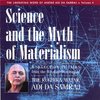
This talk excerpt is track 2 of the CD, Science and the Myth of Materialism, a collection of talks from throughout the 30 years of Avatar Adi Da’s formal Teaching-Work that brings together samples from His vast Divine Instruction relative to the psycho-physical nature of the world, the limits of scientific materialism, and the Inherent Unity of Existence.
Tags: CD
This is a video excerpt from Adi Da's classic talk, "The Bodily Location of Happiness", which He gave on November 28, 1981. This talk was originally published in the book, The Bodily Location Of Happiness. The full talk is available on CD and on a new DVD, The Location Of Happiness.
Audio/Video Links:


Most Popular Categories:
- Adi Da's Talks (463)
- Devotees' Stories of Adi Da (150)
- Adi Da's Image-Art (68)
- Not-Two Is Peace (54)
- Formal Darshan Occasions (36)
- Adi Da's Poetry (11)
- Tribute to Adi Da's Life and Work (11)
- Avataric Discourses: 2004 - 2005 (196)
- DVDs (198) / CDs (240) from the Dawn Horse Press
- Multi-Part Series (67)