Adi Da Up Close
Audio/Video Library
Our multimedia library currently contains 1,023 YouTube video clips and audio clips about (or related to) Adi Da and Adidam.


[Contains Finnish subtitles. If the CC icon ("Subtitles/closed captions") has a red line under it, the subtitles should appear. If you don't see them, just press the CC icon to turn them on.]
Avatar Adi Da Samraj puhuu "sadhanan", tai hengellisen harjoituksen, välttämättömyydesta suhteessa Jumalan Toteuttaneeseen Hengelliseen Mestariin.
On July 2, 1988, in Land Bridge Pavilion at The Mountain Of Attention, Adi Da gives the talk, "Contemplation, Satsang, Sadhana", which would appear in the May/June 1988 issue of Crazy Wisdom Magazine.
In this excerpt, "Omistaudu Jumalan Toteutukselle" ("Devote Your Life To God-Realization"), Adi Da speaks about the necessity for "sadhana", or spiritual practice, in relationship to the God-Realized Spiritual Master.
"All there is is a mechanism to be dealt with. You're not uniquely born. It's the same mechanism as in all other cases. And, in all cases it requires a tremendous ordeal."
Beginning at 17:30 (and continuing to the end of this video), a formal Darshan occasion is shown.
Tags: Darshan Finnish

Avatar Adi Da Samraj puhuu "sadhanan", tai hengellisen harjoituksen, välttämättömyydesta suhteessa Jumalan Toteuttaneeseen Hengelliseen Mestariin.
On July 2, 1988, in Land Bridge Pavilion at The Mountain Of Attention, Adi Da gives the talk, "Contemplation, Satsang, Sadhana", which would appear in the May/June 1988 issue of Crazy Wisdom Magazine.
In this excerpt, "Omistaudu Jumalan Toteutukselle" ("Devote Your Life To God-Realization"), Adi Da speaks about the necessity for "sadhana", or spiritual practice, in relationship to the God-Realized Spiritual Master.
"All there is is a mechanism to be dealt with. You're not uniquely born. It's the same mechanism as in all other cases. And, in all cases it requires a tremendous ordeal."
Beginning at 17:30 (and continuing to the end of this video), a formal Darshan occasion is shown.
Tags: Darshan Finnish
Mitchell Rabin, host of the New York City-based community cable TV show, A Better World, interviews Carolyn Lee, Ph.D, the author of several books on Adi Da Samraj. The focus of this interview is Carolyn’s book, The Promised God-Man is Here.
Note: The audio and video are slightly out of synch for much of this video.
Tags: Carolyn Lee

Note: The audio and video are slightly out of synch for much of this video.
Tags: Carolyn Lee
[Contains Finnish subtitles. If the CC icon ("Subtitles/closed captions") has a red line under it, the subtitles should appear. If you don't see them, just press the CC icon to turn them on.]
Longtime devotee, Crane Kirkbride, offers this testimonial to the life and work of Adi Da Samraj, in which he describes singing for, and with, Adi Da. Includes a clip of Adi Da singing opera with Crane; and a slideshow of stunning pictures of Adi Da from 1972 through 2008, accompanied by Crane singing "I Am Who You Are".
This video clip is an excerpt from First Evening: Tracks 16 and 17 on the DVD, A Tribute to the Life and Work of His Divine Presence, Adi Da Samraj. More than 7 hours long, this Tribute DVD was filmed on the occasion of the first Anniversary of Adi Da's Divine Mahasamadhi, when devotees, family, and friends of Adi Da Samraj gathered at Adi Da Samrajashram, Fiji (Adi Da's principal Hermitage), to acknowledge Adi Da as the Divine in human form, to praise His Greatness, and to express their heart-felt gratitude for the Blessings they have received from Him.
A list of all the tracks on this DVD can be found here.
Tags: Crane Kirkbride Mahasamadhi tribute opera DVD Finnish

Longtime devotee, Crane Kirkbride, offers this testimonial to the life and work of Adi Da Samraj, in which he describes singing for, and with, Adi Da. Includes a clip of Adi Da singing opera with Crane; and a slideshow of stunning pictures of Adi Da from 1972 through 2008, accompanied by Crane singing "I Am Who You Are".
This video clip is an excerpt from First Evening: Tracks 16 and 17 on the DVD, A Tribute to the Life and Work of His Divine Presence, Adi Da Samraj. More than 7 hours long, this Tribute DVD was filmed on the occasion of the first Anniversary of Adi Da's Divine Mahasamadhi, when devotees, family, and friends of Adi Da Samraj gathered at Adi Da Samrajashram, Fiji (Adi Da's principal Hermitage), to acknowledge Adi Da as the Divine in human form, to praise His Greatness, and to express their heart-felt gratitude for the Blessings they have received from Him.
A list of all the tracks on this DVD can be found here.
Tags: Crane Kirkbride Mahasamadhi tribute opera DVD Finnish
[Contains Italian subtitles. If the CC icon ("Subtitles/closed captions") has a red line under it, the subtitles should appear. If you don't see them, just press the CC icon to turn them on.]
Longtime devotee, Crane Kirkbride, offers this testimonial to the life and work of Adi Da Samraj, in which he describes singing for, and with, Adi Da. Includes a clip of Adi Da singing opera with Crane; and a slideshow of stunning pictures of Adi Da from 1972 through 2008, accompanied by Crane singing "I Am Who You Are".
This video clip is an excerpt from First Evening: Tracks 16 and 17 on the DVD, A Tribute to the Life and Work of His Divine Presence, Adi Da Samraj. More than 7 hours long, this Tribute DVD was filmed on the occasion of the first Anniversary of Adi Da's Divine Mahasamadhi, when devotees, family, and friends of Adi Da Samraj gathered at Adi Da Samrajashram, Fiji (Adi Da's principal Hermitage), to acknowledge Adi Da as the Divine in human form, to praise His Greatness, and to express their heart-felt gratitude for the Blessings they have received from Him.
A list of all the tracks on this DVD can be found here.
Tags: Crane Kirkbride Mahasamadhi tribute opera DVD Italian

Longtime devotee, Crane Kirkbride, offers this testimonial to the life and work of Adi Da Samraj, in which he describes singing for, and with, Adi Da. Includes a clip of Adi Da singing opera with Crane; and a slideshow of stunning pictures of Adi Da from 1972 through 2008, accompanied by Crane singing "I Am Who You Are".
This video clip is an excerpt from First Evening: Tracks 16 and 17 on the DVD, A Tribute to the Life and Work of His Divine Presence, Adi Da Samraj. More than 7 hours long, this Tribute DVD was filmed on the occasion of the first Anniversary of Adi Da's Divine Mahasamadhi, when devotees, family, and friends of Adi Da Samraj gathered at Adi Da Samrajashram, Fiji (Adi Da's principal Hermitage), to acknowledge Adi Da as the Divine in human form, to praise His Greatness, and to express their heart-felt gratitude for the Blessings they have received from Him.
A list of all the tracks on this DVD can be found here.
Tags: Crane Kirkbride Mahasamadhi tribute opera DVD Italian
[Contains Spanish subtitles. If the CC icon ("Subtitles/closed captions") has a red line under it, the subtitles should appear. If you don't see them, just press the CC icon to turn them on.]
On July 2, 1988, in Land Bridge Pavilion at The Mountain Of Attention, Adi Da gives the talk, "Contemplation, Satsang, Sadhana", which would appear in the May/June 1988 issue of Crazy Wisdom Magazine.
In this excerpt, "Dedica tu vida a la Realización-de-Dios" ("Devote Your Life To God-Realization"), Adi Da speaks about the necessity for "sadhana", or spiritual practice, in relationship to the God-Realized Spiritual Master.
"All there is is a mechanism to be dealt with. You're not uniquely born. It's the same mechanism as in all other cases. And, in all cases it requires a tremendous ordeal."
Beginning at 17:30 (and continuing to the end of this video), a formal Darshan occasion is shown.
Tags: Darshan Spanish

On July 2, 1988, in Land Bridge Pavilion at The Mountain Of Attention, Adi Da gives the talk, "Contemplation, Satsang, Sadhana", which would appear in the May/June 1988 issue of Crazy Wisdom Magazine.
In this excerpt, "Dedica tu vida a la Realización-de-Dios" ("Devote Your Life To God-Realization"), Adi Da speaks about the necessity for "sadhana", or spiritual practice, in relationship to the God-Realized Spiritual Master.
"All there is is a mechanism to be dealt with. You're not uniquely born. It's the same mechanism as in all other cases. And, in all cases it requires a tremendous ordeal."
Beginning at 17:30 (and continuing to the end of this video), a formal Darshan occasion is shown.
Tags: Darshan Spanish
[Contains Polish subtitles. If the CC icon ("Subtitles/closed captions") has a red line under it, the subtitles should appear. If you don't see them, just press the CC icon to turn them on.]
Longtime devotee, Crane Kirkbride, offers this testimonial to the life and work of Adi Da Samraj, in which he describes singing for, and with, Adi Da. Includes a clip of Adi Da singing opera with Crane; and a slideshow of stunning pictures of Adi Da from 1972 through 2008, accompanied by Crane singing "I Am Who You Are".
This video clip is an excerpt from First Evening: Tracks 16 and 17 on the DVD, A Tribute to the Life and Work of His Divine Presence, Adi Da Samraj. More than 7 hours long, this Tribute DVD was filmed on the occasion of the first Anniversary of Adi Da's Divine Mahasamadhi, when devotees, family, and friends of Adi Da Samraj gathered at Adi Da Samrajashram, Fiji (Adi Da's principal Hermitage), to acknowledge Adi Da as the Divine in human form, to praise His Greatness, and to express their heart-felt gratitude for the Blessings they have received from Him.
A list of all the tracks on this DVD can be found here.
Tags: Polish Crane Kirkbride Mahasamadhi tribute opera DVD

Longtime devotee, Crane Kirkbride, offers this testimonial to the life and work of Adi Da Samraj, in which he describes singing for, and with, Adi Da. Includes a clip of Adi Da singing opera with Crane; and a slideshow of stunning pictures of Adi Da from 1972 through 2008, accompanied by Crane singing "I Am Who You Are".
This video clip is an excerpt from First Evening: Tracks 16 and 17 on the DVD, A Tribute to the Life and Work of His Divine Presence, Adi Da Samraj. More than 7 hours long, this Tribute DVD was filmed on the occasion of the first Anniversary of Adi Da's Divine Mahasamadhi, when devotees, family, and friends of Adi Da Samraj gathered at Adi Da Samrajashram, Fiji (Adi Da's principal Hermitage), to acknowledge Adi Da as the Divine in human form, to praise His Greatness, and to express their heart-felt gratitude for the Blessings they have received from Him.
A list of all the tracks on this DVD can be found here.
Tags: Polish Crane Kirkbride Mahasamadhi tribute opera DVD
[Contains Czech subtitles. If the CC icon ("Subtitles/closed captions") has a red line under it, the subtitles should appear. If you don't see them, just press the CC icon to turn them on.]
"Je mravenec ego?" ("Is an ant an ego?") is a video excerpt from a humorous and profoundly insightful Avataric Discourse (given by Adi Da on October 20, 2004 at Adi Da Samrajashram), Adi Da considers the difference between self-consciousness and egoity, referring to both humans and non-humans (including dogs, ants, and trees).
Tags: Czech Avataric Discourse

"Je mravenec ego?" ("Is an ant an ego?") is a video excerpt from a humorous and profoundly insightful Avataric Discourse (given by Adi Da on October 20, 2004 at Adi Da Samrajashram), Adi Da considers the difference between self-consciousness and egoity, referring to both humans and non-humans (including dogs, ants, and trees).
Tags: Czech Avataric Discourse
On July 7, 1992 (Fiji time), at Adi Da Samrajashram, Adi Da created "Club Rat", a most unusual gathering during the height of a Celebratory period. For those unfamiliar with Club Rat, you can read Chris Tong's story about it here.
Music plays a central role in the story. For this reason, in celebration of the 29th anniversary of Club Rat (on July 7, 2021), Chris has recreated part of the rock song he wrote and performed that evening, Club Rat, so you can at least get a taste of the actual music from that night. (Adi Da had called for an evening of rock music. Club Rat was the opening song of a night of music that would go on to include much more than rock music. . .)
If for some reason, the player above doesn't work, try this player:
or this link.
CLUB RAT
Club Rat.
Club Rat.
The funky place where God is at.
Club Rat.
Club Rat.
The funky place where. . .
only skanks and whores
walk through its doors.
There you find Your Self
and lose yourself.
When the Lord's in town
Everyone gets down.
Club Rat.
Club Rat.
The funky place where God is at.
(etc.)
CHRIS: This recreation is just as we presented it to Beloved Adi Da during the Club Rat gathering, except for some improvements due to better musical equipment and technology (e.g., drum machines instead of upside-down, plastic "piss buckets" 😜 — read the full story for more about that! ).
I wrote Club Rat, keeping in mind the intensity and "badness" of the pop rock music Beloved Adi Da was listening to at the time (like Michael Jackson's Beat It).
The lyrics are drawn from Adi Da's instructions to us about Club Rat, such as: Club Rat was to be the most "funky" place ever; participating devotees had to be "skanks and whores" — in other words, no suppressed energy or emotional-sexual complication (so He could work with our entire energy, not just the superficial part we usually show to or share with others socially); etc.
The lyrics also drew on current, ongoing considerations Adi Da was having with devotees at the time, such as His Calling to us to "get down" (He was riffing on the popular 1970's slang phrase, giving it His Own unique meaning): a reminder for us to incarnate whole bodily (rather than being merely a "point" in the head, refusing to "get down" below the head).
The line, "When the Lord's in town" was a reference to Beloved Adi Da visiting the "village" of Qaravi: the area of the island of Naitauba where His devotees lived and where "Club Rat" (Hymns To Me) was located.
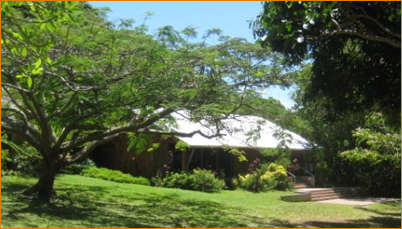
Hymns To Me
Tags: music
Music plays a central role in the story. For this reason, in celebration of the 29th anniversary of Club Rat (on July 7, 2021), Chris has recreated part of the rock song he wrote and performed that evening, Club Rat, so you can at least get a taste of the actual music from that night. (Adi Da had called for an evening of rock music. Club Rat was the opening song of a night of music that would go on to include much more than rock music. . .)
If for some reason, the player above doesn't work, try this player:
or this link.
CLUB RAT
Club Rat.
Club Rat.
The funky place where God is at.
Club Rat.
Club Rat.
The funky place where. . .
only skanks and whores
walk through its doors.
There you find Your Self
and lose yourself.
When the Lord's in town
Everyone gets down.
Club Rat.
Club Rat.
The funky place where God is at.
(etc.)
CHRIS: This recreation is just as we presented it to Beloved Adi Da during the Club Rat gathering, except for some improvements due to better musical equipment and technology (e.g., drum machines instead of upside-down, plastic "piss buckets" 😜 — read the full story for more about that! ).
I wrote Club Rat, keeping in mind the intensity and "badness" of the pop rock music Beloved Adi Da was listening to at the time (like Michael Jackson's Beat It).
The lyrics are drawn from Adi Da's instructions to us about Club Rat, such as: Club Rat was to be the most "funky" place ever; participating devotees had to be "skanks and whores" — in other words, no suppressed energy or emotional-sexual complication (so He could work with our entire energy, not just the superficial part we usually show to or share with others socially); etc.
The lyrics also drew on current, ongoing considerations Adi Da was having with devotees at the time, such as His Calling to us to "get down" (He was riffing on the popular 1970's slang phrase, giving it His Own unique meaning): a reminder for us to incarnate whole bodily (rather than being merely a "point" in the head, refusing to "get down" below the head).
The line, "When the Lord's in town" was a reference to Beloved Adi Da visiting the "village" of Qaravi: the area of the island of Naitauba where His devotees lived and where "Club Rat" (Hymns To Me) was located.
Hymns To Me
Tags: music
[Contains Finnish subtitles. If the CC icon ("Subtitles/closed captions") has a red line under it, the subtitles should appear. If you don't see them, just press the CC icon to turn them on.]
Tässä keskustelussa vuodelta 1988 Avatar Adi Da puhuu "sadhanan", tai hengellisen harjoituksen, tarpeellisuudesta kun elää omistautuvassa suhteessa Jumalan Toteuttaneen Hengellisen Mestarin kanssa.
On July 2, 1988, in Land Bridge Pavilion at The Mountain Of Attention, Adi Da gives the talk, "Contemplation, Satsang, Sadhana", which would appear in the May/June 1988 issue of Crazy Wisdom Magazine.
In this excerpt, "Omistaudu Jumalan Toteutukselle" ("Dedicate Your Life To God-Realization"), Adi Da speaks about the necessity for "sadhana", or spiritual practice, in relationship to the God-Realized Spiritual Master.
ADI DA: All there is is a mechanism to be dealt with. You're not uniquely born. It's the same mechanism as in all other cases. And, in all cases it requires a tremendous ordeal.
Beginning at 17:30 (and continuing to the end of this video), a formal Darshan occasion is shown.
Tags: Finnish

Tässä keskustelussa vuodelta 1988 Avatar Adi Da puhuu "sadhanan", tai hengellisen harjoituksen, tarpeellisuudesta kun elää omistautuvassa suhteessa Jumalan Toteuttaneen Hengellisen Mestarin kanssa.
On July 2, 1988, in Land Bridge Pavilion at The Mountain Of Attention, Adi Da gives the talk, "Contemplation, Satsang, Sadhana", which would appear in the May/June 1988 issue of Crazy Wisdom Magazine.
In this excerpt, "Omistaudu Jumalan Toteutukselle" ("Dedicate Your Life To God-Realization"), Adi Da speaks about the necessity for "sadhana", or spiritual practice, in relationship to the God-Realized Spiritual Master.
ADI DA: All there is is a mechanism to be dealt with. You're not uniquely born. It's the same mechanism as in all other cases. And, in all cases it requires a tremendous ordeal.
Beginning at 17:30 (and continuing to the end of this video), a formal Darshan occasion is shown.
Tags: Finnish
[Contains Italian subtitles. If the CC icon ("Subtitles/closed captions") has a red line under it, the subtitles should appear. If you don't see them, just press the CC icon to turn them on.]
On July 2, 1988, in Land Bridge Pavilion at The Mountain Of Attention, Adi Da gives the talk, "Contemplation, Satsang, Sadhana", which would appear in the May/June 1988 issue of Crazy Wisdom Magazine.
In this excerpt, "Dedicate la vostra vita alla Realizzazione del Divino" ("Dedicate Your Life To God-Realization"), Adi Da speaks about the necessity for "sadhana", or spiritual practice, in relationship to the God-Realized Spiritual Master.
"All there is is a mechanism to be dealt with. You're not uniquely born. It's the same mechanism as in all other cases. And, in all cases it requires a tremendous ordeal."
Beginning at 17:30 (and continuing to the end of this video), a formal Darshan occasion is shown.
Tags: Darshan Italian

On July 2, 1988, in Land Bridge Pavilion at The Mountain Of Attention, Adi Da gives the talk, "Contemplation, Satsang, Sadhana", which would appear in the May/June 1988 issue of Crazy Wisdom Magazine.
In this excerpt, "Dedicate la vostra vita alla Realizzazione del Divino" ("Dedicate Your Life To God-Realization"), Adi Da speaks about the necessity for "sadhana", or spiritual practice, in relationship to the God-Realized Spiritual Master.
"All there is is a mechanism to be dealt with. You're not uniquely born. It's the same mechanism as in all other cases. And, in all cases it requires a tremendous ordeal."
Beginning at 17:30 (and continuing to the end of this video), a formal Darshan occasion is shown.
Tags: Darshan Italian
Longtime devotee Aniello Panico tells a story from one of the happiest days of his life: the day Bhagavan Adi Da met and Blessed his mother (when she was 79 or 80 years old) at the Mountain Of Attention, during the Ten-Day Gathering of 1995-1996. This video tells the whole joyous story.
ANIELLO: "I like to share this story because it shows the human compassion and humor of the Guru."
The cookbook Aniello and Brenda helped create for Aniello's mother, Elodia Rigante's Italian Immigrant Cooking, and a New York Times article on the book, Recapturing the Flavors of an Era (August 27, 1995). Aniello, quoted in the article, "We all got heavier putting this cookbook together. . . I gained seven pounds."
For a photo of Adi Da with Aniello's mother, click here.
For a photo of Adi Da holding Aniello's mother's hand, click here.
For more stories and videos from Aniello, click here.

ANIELLO: "I like to share this story because it shows the human compassion and humor of the Guru."
The cookbook Aniello and Brenda helped create for Aniello's mother, Elodia Rigante's Italian Immigrant Cooking, and a New York Times article on the book, Recapturing the Flavors of an Era (August 27, 1995). Aniello, quoted in the article, "We all got heavier putting this cookbook together. . . I gained seven pounds."
For a photo of Adi Da with Aniello's mother, click here.
For a photo of Adi Da holding Aniello's mother's hand, click here.
For more stories and videos from Aniello, click here.
Danavira Mela, celebrated at Adi Da Samrajashram. A slideshow containing festive scenes from Qaravi, Lion's Lap, Picture Perfect, Cow Catcher, and the Inner Courtyard of the Matrix. The video clip ends with pictures of Beloved Adi Da granting Darshan while sitting in front of the window of His bedroom (which is decorated for the season).
The soundtrack includes holiday music, and devotee John Mackay's "There Is Only Light" (from the album, Danavira), which draws on the Qawwali tradition of Sufi devotional music, and resonates with the celebration of Light-In-Everybody.
Tags: Danavira Mela

The soundtrack includes holiday music, and devotee John Mackay's "There Is Only Light" (from the album, Danavira), which draws on the Qawwali tradition of Sufi devotional music, and resonates with the celebration of Light-In-Everybody.
Tags: Danavira Mela
[Contains Polish subtitles. If the CC icon ("Subtitles/closed captions") has a red line under it, the subtitles should appear. If you don't see them, just press the CC icon to turn them on.]
W tym humorystycznym i głęboko wnikliwym dyskursie Adi Da rozważa różnicę między samoświadomością a egotyzmem, odnosząc się zarówno do ludzi, jak i do nie-ludzi (w tym psów, mrówek i drzew).
"Czy mrówka to też ego?" ("Is an ant an ego?") is a video excerpt from a humorous and profoundly insightful Avataric Discourse (given by Adi Da on October 20, 2004 at Adi Da Samrajashram), Adi Da considers the difference between self-consciousness and egoity, referring to both humans and non-humans (including dogs, ants, and trees).
Tags: Avataric Discourse Polish

W tym humorystycznym i głęboko wnikliwym dyskursie Adi Da rozważa różnicę między samoświadomością a egotyzmem, odnosząc się zarówno do ludzi, jak i do nie-ludzi (w tym psów, mrówek i drzew).
"Czy mrówka to też ego?" ("Is an ant an ego?") is a video excerpt from a humorous and profoundly insightful Avataric Discourse (given by Adi Da on October 20, 2004 at Adi Da Samrajashram), Adi Da considers the difference between self-consciousness and egoity, referring to both humans and non-humans (including dogs, ants, and trees).
Tags: Avataric Discourse Polish
[Contains Finnish subtitles. If the CC icon ("Subtitles/closed captions") has a red line under it, the subtitles should appear. If you don't see them, just press the CC icon to turn them on.]
"Onko Muurahaisella Egoa?" ("Is an ant an ego?") is a video excerpt from a humorous and profoundly insightful Avataric Discourse (given by Adi Da on October 20, 2004 at Adi Da Samrajashram), Adi Da considers the difference between self-consciousness and egoity, referring to both humans and non-humans (including dogs, ants, and trees).
ADI DA: [Laughs] You generally attribute egoity to human beings, but you wonder about everything else. For instance, what about not something relatively inert like a rug or even just standing there and not seeming to be particularly responsive, like a tree. But what about a dog? Is a dog, do you think dogs are egos when you see them, just as readily as you think of human beings as egos? But, why do you draw the line? I mean how far does it go? Where do you stop thinking of living entities, at least, as egos? Do you just presume everything bigger than a cricket is an ego? Or is everything that moves in your, from your perspective experientially or in your natural presumptions, how far do, does the fact of egoity extend in your presumption.
Well, is an ant an ego in your presumption?
The word “ego” is actually a Greek word which means “I”. I consider it with you and talk about it in terms of self-contraction and so forth, but, so that’s the elaboration on its meaning, but the word simply means “I” which means the reference, self-reference, the reflexive, reflexive pronoun as it’s called of self-reference. So, does an ant feel self-referential?
You observe them protecting themselves and struggling with others. Couldn’t do so without some kind of self-consciousness, could it? So, you naturally presume that even something like an ant is, is a self, an ego, self-aware. Does something have to move from its spatial location? Does it have to be able to take a walk or, such as an ant or a human being, or can a tree? Does a tree have self-consciousness, exhibit self-consciousness. . .
What about trees? They are entities with apparent self-consciousness of a kind. They are in that sense, egos. But are they egoic? Are they functioning egoically? Are they feeling that they are in bondage and moved to seek as human beings are and as you feel in your own case, you see? Trees don’t seem to behave, generally speaking, in quite that way. They are self-conscious as organisms, but they don’t seem to be particularly disturbed about being trees. They seem more characterized by some kind of contemplation in which they don’t feel disturbed.
But if you observe non-humans, virtually all of them show signs of setting themselves apart and entering into a contemplative state that resembles some kind of a samadhi or meditative condition.
Why do you think human beings are disturbed? You see, why is human egoity what it is? If you observe how it appears in evidence in non-humans, suggests that human beings are the way they are because they’re confined, and not just confined by walls and bars. Some people are, and they get very disturbed there, and walk back and forth or get catatonic.
Your bondage is your own activity, and it also extends from conditions. Conditions can reinforce or seem to justify self-contraction. But still what you’re suffering is self-contraction itself.
So, human beings are actually confined, and they are self-confined, and otherwise, also, living in various modes and degrees of confinement by conditions of life and in fact, human beings feel confined by bodily existence, because however healthy you may be at the moment, you know you’re going to die, and are potentially, potentially, you could suffer any number of great happenings. And you anticipate that inevitably, you will, sooner or later, experience some fundamental difficulties that you would prefer not to have to endure, including disease and death.
Well, everything that’s physically living is going to die. The trouble, the difference is does it drive you crazy, make you seek, or are you at ease, because you haven’t lost touch with what transcends that possibility?
Tags: Avataric Discourse Finnish

"Onko Muurahaisella Egoa?" ("Is an ant an ego?") is a video excerpt from a humorous and profoundly insightful Avataric Discourse (given by Adi Da on October 20, 2004 at Adi Da Samrajashram), Adi Da considers the difference between self-consciousness and egoity, referring to both humans and non-humans (including dogs, ants, and trees).
ADI DA: [Laughs] You generally attribute egoity to human beings, but you wonder about everything else. For instance, what about not something relatively inert like a rug or even just standing there and not seeming to be particularly responsive, like a tree. But what about a dog? Is a dog, do you think dogs are egos when you see them, just as readily as you think of human beings as egos? But, why do you draw the line? I mean how far does it go? Where do you stop thinking of living entities, at least, as egos? Do you just presume everything bigger than a cricket is an ego? Or is everything that moves in your, from your perspective experientially or in your natural presumptions, how far do, does the fact of egoity extend in your presumption.
Well, is an ant an ego in your presumption?
The word “ego” is actually a Greek word which means “I”. I consider it with you and talk about it in terms of self-contraction and so forth, but, so that’s the elaboration on its meaning, but the word simply means “I” which means the reference, self-reference, the reflexive, reflexive pronoun as it’s called of self-reference. So, does an ant feel self-referential?
You observe them protecting themselves and struggling with others. Couldn’t do so without some kind of self-consciousness, could it? So, you naturally presume that even something like an ant is, is a self, an ego, self-aware. Does something have to move from its spatial location? Does it have to be able to take a walk or, such as an ant or a human being, or can a tree? Does a tree have self-consciousness, exhibit self-consciousness. . .
What about trees? They are entities with apparent self-consciousness of a kind. They are in that sense, egos. But are they egoic? Are they functioning egoically? Are they feeling that they are in bondage and moved to seek as human beings are and as you feel in your own case, you see? Trees don’t seem to behave, generally speaking, in quite that way. They are self-conscious as organisms, but they don’t seem to be particularly disturbed about being trees. They seem more characterized by some kind of contemplation in which they don’t feel disturbed.
But if you observe non-humans, virtually all of them show signs of setting themselves apart and entering into a contemplative state that resembles some kind of a samadhi or meditative condition.
Why do you think human beings are disturbed? You see, why is human egoity what it is? If you observe how it appears in evidence in non-humans, suggests that human beings are the way they are because they’re confined, and not just confined by walls and bars. Some people are, and they get very disturbed there, and walk back and forth or get catatonic.
Your bondage is your own activity, and it also extends from conditions. Conditions can reinforce or seem to justify self-contraction. But still what you’re suffering is self-contraction itself.
So, human beings are actually confined, and they are self-confined, and otherwise, also, living in various modes and degrees of confinement by conditions of life and in fact, human beings feel confined by bodily existence, because however healthy you may be at the moment, you know you’re going to die, and are potentially, potentially, you could suffer any number of great happenings. And you anticipate that inevitably, you will, sooner or later, experience some fundamental difficulties that you would prefer not to have to endure, including disease and death.
Well, everything that’s physically living is going to die. The trouble, the difference is does it drive you crazy, make you seek, or are you at ease, because you haven’t lost touch with what transcends that possibility?
Tags: Avataric Discourse Finnish
[Contains Spanish subtitles. If the CC icon ("Subtitles/closed captions") has a red line under it, the subtitles should appear. If you don't see them, just press the CC icon to turn them on.]
"¿Es una Hormiga un Ego?" ("Is an ant an ego?") is a video excerpt from a humorous and profoundly insightful Avataric Discourse (given by Adi Da on October 20, 2004 at Adi Da Samrajashram), Adi Da considers the difference between self-consciousness and egoity, referring to both humans and non-humans (including dogs, ants, and trees).
ADI DA: [Laughs] You generally attribute egoity to human beings, but you wonder about everything else. For instance, what about not something relatively inert like a rug or even just standing there and not seeming to be particularly responsive, like a tree. But what about a dog? Is a dog, do you think dogs are egos when you see them, just as readily as you think of human beings as egos? But, why do you draw the line? I mean how far does it go? Where do you stop thinking of living entities, at least, as egos? Do you just presume everything bigger than a cricket is an ego? Or is everything that moves in your, from your perspective experientially or in your natural presumptions, how far do, does the fact of egoity extend in your presumption.
Well, is an ant an ego in your presumption?
The word “ego” is actually a Greek word which means “I”. I consider it with you and talk about it in terms of self-contraction and so forth, but, so that’s the elaboration on its meaning, but the word simply means “I” which means the reference, self-reference, the reflexive, reflexive pronoun as it’s called of self-reference. So, does an ant feel self-referential?
You observe them protecting themselves and struggling with others. Couldn’t do so without some kind of self-consciousness, could it? So, you naturally presume that even something like an ant is, is a self, an ego, self-aware. Does something have to move from its spatial location? Does it have to be able to take a walk or, such as an ant or a human being, or can a tree? Does a tree have self-consciousness, exhibit self-consciousness. . .
What about trees? They are entities with apparent self-consciousness of a kind. They are in that sense, egos. But are they egoic? Are they functioning egoically? Are they feeling that they are in bondage and moved to seek as human beings are and as you feel in your own case, you see? Trees don’t seem to behave, generally speaking, in quite that way. They are self-conscious as organisms, but they don’t seem to be particularly disturbed about being trees. They seem more characterized by some kind of contemplation in which they don’t feel disturbed.
But if you observe non-humans, virtually all of them show signs of setting themselves apart and entering into a contemplative state that resembles some kind of a samadhi or meditative condition.
Why do you think human beings are disturbed? You see, why is human egoity what it is? If you observe how it appears in evidence in non-humans, suggests that human beings are the way they are because they’re confined, and not just confined by walls and bars. Some people are, and they get very disturbed there, and walk back and forth or get catatonic.
Your bondage is your own activity, and it also extends from conditions. Conditions can reinforce or seem to justify self-contraction. But still what you’re suffering is self-contraction itself.
So, human beings are actually confined, and they are self-confined, and otherwise, also, living in various modes and degrees of confinement by conditions of life and in fact, human beings feel confined by bodily existence, because however healthy you may be at the moment, you know you’re going to die, and are potentially, potentially, you could suffer any number of great happenings. And you anticipate that inevitably, you will, sooner or later, experience some fundamental difficulties that you would prefer not to have to endure, including disease and death.
Well, everything that’s physically living is going to die. The trouble, the difference is does it drive you crazy, make you seek, or are you at ease, because you haven’t lost touch with what transcends that possibility?
Tags: Avataric Discourse Spanish

"¿Es una Hormiga un Ego?" ("Is an ant an ego?") is a video excerpt from a humorous and profoundly insightful Avataric Discourse (given by Adi Da on October 20, 2004 at Adi Da Samrajashram), Adi Da considers the difference between self-consciousness and egoity, referring to both humans and non-humans (including dogs, ants, and trees).
ADI DA: [Laughs] You generally attribute egoity to human beings, but you wonder about everything else. For instance, what about not something relatively inert like a rug or even just standing there and not seeming to be particularly responsive, like a tree. But what about a dog? Is a dog, do you think dogs are egos when you see them, just as readily as you think of human beings as egos? But, why do you draw the line? I mean how far does it go? Where do you stop thinking of living entities, at least, as egos? Do you just presume everything bigger than a cricket is an ego? Or is everything that moves in your, from your perspective experientially or in your natural presumptions, how far do, does the fact of egoity extend in your presumption.
Well, is an ant an ego in your presumption?
The word “ego” is actually a Greek word which means “I”. I consider it with you and talk about it in terms of self-contraction and so forth, but, so that’s the elaboration on its meaning, but the word simply means “I” which means the reference, self-reference, the reflexive, reflexive pronoun as it’s called of self-reference. So, does an ant feel self-referential?
You observe them protecting themselves and struggling with others. Couldn’t do so without some kind of self-consciousness, could it? So, you naturally presume that even something like an ant is, is a self, an ego, self-aware. Does something have to move from its spatial location? Does it have to be able to take a walk or, such as an ant or a human being, or can a tree? Does a tree have self-consciousness, exhibit self-consciousness. . .
What about trees? They are entities with apparent self-consciousness of a kind. They are in that sense, egos. But are they egoic? Are they functioning egoically? Are they feeling that they are in bondage and moved to seek as human beings are and as you feel in your own case, you see? Trees don’t seem to behave, generally speaking, in quite that way. They are self-conscious as organisms, but they don’t seem to be particularly disturbed about being trees. They seem more characterized by some kind of contemplation in which they don’t feel disturbed.
But if you observe non-humans, virtually all of them show signs of setting themselves apart and entering into a contemplative state that resembles some kind of a samadhi or meditative condition.
Why do you think human beings are disturbed? You see, why is human egoity what it is? If you observe how it appears in evidence in non-humans, suggests that human beings are the way they are because they’re confined, and not just confined by walls and bars. Some people are, and they get very disturbed there, and walk back and forth or get catatonic.
Your bondage is your own activity, and it also extends from conditions. Conditions can reinforce or seem to justify self-contraction. But still what you’re suffering is self-contraction itself.
So, human beings are actually confined, and they are self-confined, and otherwise, also, living in various modes and degrees of confinement by conditions of life and in fact, human beings feel confined by bodily existence, because however healthy you may be at the moment, you know you’re going to die, and are potentially, potentially, you could suffer any number of great happenings. And you anticipate that inevitably, you will, sooner or later, experience some fundamental difficulties that you would prefer not to have to endure, including disease and death.
Well, everything that’s physically living is going to die. The trouble, the difference is does it drive you crazy, make you seek, or are you at ease, because you haven’t lost touch with what transcends that possibility?
Tags: Avataric Discourse Spanish
Audio/Video Links:


Most Popular Categories:
- Adi Da's Talks (463)
- Devotees' Stories of Adi Da (150)
- Adi Da's Image-Art (68)
- Not-Two Is Peace (54)
- Formal Darshan Occasions (36)
- Adi Da's Poetry (11)
- Tribute to Adi Da's Life and Work (11)
- Avataric Discourses: 2004 - 2005 (196)
- DVDs (198) / CDs (240) from the Dawn Horse Press
- Multi-Part Series (67)