Adi Da Up Close
Audio/Video Library
Our multimedia library currently contains 1,023 YouTube video clips and audio clips about (or related to) Adi Da and Adidam.


[Contains Spanish subtitles. If the CC icon ("Subtitles/closed captions") has a red line under it, the subtitles should appear. If you don't see them, just press the CC icon to turn them on.]
In 1986, Adi Da made His first visit to the European community of His devotees. He travelled through England, France and Holland. In the South of Holland, in the village of Maria Hoop close to the German border, a former Catholic monastery was found which could be rented for a few weeks. Devotees swiftly cleaned buildings and the grounds. Adi Da stayed in a specially prepared wing of the monastery for several days. During this time, He granted Darshan and held "Question and Answer" occasions in the chapel (now called Adi Da Kapel) with German, English, Dutch, French and American devotees. The former monastery has since been acquired by the European community of Adidam and is now known as The European Danda.
In "¿Qué es la duda?" ("What Is Doubt?"), a rare excerpt from one of the "Question and Answer" occasions, Adi Da addresses the primal human emotion of doubt in a most direct and simple manner. He describes how doubt is not ultimately a sign that we have been "betrayed" in some way. The radical solution to doubt is to identify with the Divine Itself, beyond the temporary cycles of the body and mind and beyond the sense of being a separate self.
Tags: Spanish
In 1986, Adi Da made His first visit to the European community of His devotees. He travelled through England, France and Holland. In the South of Holland, in the village of Maria Hoop close to the German border, a former Catholic monastery was found which could be rented for a few weeks. Devotees swiftly cleaned buildings and the grounds. Adi Da stayed in a specially prepared wing of the monastery for several days. During this time, He granted Darshan and held "Question and Answer" occasions in the chapel (now called Adi Da Kapel) with German, English, Dutch, French and American devotees. The former monastery has since been acquired by the European community of Adidam and is now known as The European Danda.
In "¿Qué es la duda?" ("What Is Doubt?"), a rare excerpt from one of the "Question and Answer" occasions, Adi Da addresses the primal human emotion of doubt in a most direct and simple manner. He describes how doubt is not ultimately a sign that we have been "betrayed" in some way. The radical solution to doubt is to identify with the Divine Itself, beyond the temporary cycles of the body and mind and beyond the sense of being a separate self.
Tags: Spanish
words: Avatar Adi Da Samraj
music: Chris Tong
sung by: the Adidam New England Choir
(with all devotees joining in)
choir members:
Chris Tong, Paul Caswell, Patricia Rydle, Lisa Alexandra Fry
pianist / choir director: Chris Tong
date: Danavira Mela, 1993
CHRIS: I just ran across an old audio tape with this recording. The quality is not the best, and the choir is not professional, but there is so much heart-feeling in devotees’ singing, and our Beloved Heart-Master’s Words are so beautiful and heart-moving, that I felt compelled to share this for Danavira Mela.
Tags: music

music: Chris Tong
sung by: the Adidam New England Choir
(with all devotees joining in)
choir members:
Chris Tong, Paul Caswell, Patricia Rydle, Lisa Alexandra Fry
pianist / choir director: Chris Tong
date: Danavira Mela, 1993
CHRIS: I just ran across an old audio tape with this recording. The quality is not the best, and the choir is not professional, but there is so much heart-feeling in devotees’ singing, and our Beloved Heart-Master’s Words are so beautiful and heart-moving, that I felt compelled to share this for Danavira Mela.
Tags: music
[Contains Finnish subtitles. If the CC icon ("Subtitles/closed captions") has a red line under it, the subtitles should appear. If you don't see them, just press the CC icon to turn them on.]
Adi Da Samrajille omistautuneet keskittyvät ja juhlivat Hänen kirjoitetun ja puhutun Sanansa Mahtavaa Lahjaa maaliskuun aikana Adidamin pyhässä kulttuurissa. Suosittelemme tätä videota tapana osallistua tämän juhlan merkitykseen. Siinä on kolme osaa: ensin, vanhempi toimittaja Jonathan Condit antaa yleiskatsauksen Avatar Adi Dan kirjallisuuden tarkoituksesta; seuraavaksi Avatar Adi Da Itse puhuu tavasta, miten Hänen Sanansa voi vastaanottaa Hänen elävän Hengellisen Säteilyn Levityksenä; ja lopulta Dawn Horse Pressin päätoimittaja Megan Anderson kertoo omasta paveluksestaan Avatar Adi Dan Mestaritekstin, "The Aletheon":in, parissa.
Tags: Avataric Discourse Finnish

Adi Da Samrajille omistautuneet keskittyvät ja juhlivat Hänen kirjoitetun ja puhutun Sanansa Mahtavaa Lahjaa maaliskuun aikana Adidamin pyhässä kulttuurissa. Suosittelemme tätä videota tapana osallistua tämän juhlan merkitykseen. Siinä on kolme osaa: ensin, vanhempi toimittaja Jonathan Condit antaa yleiskatsauksen Avatar Adi Dan kirjallisuuden tarkoituksesta; seuraavaksi Avatar Adi Da Itse puhuu tavasta, miten Hänen Sanansa voi vastaanottaa Hänen elävän Hengellisen Säteilyn Levityksenä; ja lopulta Dawn Horse Pressin päätoimittaja Megan Anderson kertoo omasta paveluksestaan Avatar Adi Dan Mestaritekstin, "The Aletheon":in, parissa.
Tags: Avataric Discourse Finnish
[Contains Finnish subtitles. If the CC icon ("Subtitles/closed captions") has a red line under it, the subtitles should appear. If you don't see them, just press the CC icon to turn them on.]
Harvinainen ja julkaisematon Puhe heinäkuun 20. päivältä 1986 Hollannissa. Adi Da käsittelee epäilystä, tuota alkukantaista ihmistunnetta, suoraan ja yksinkertaiseen tapaan.
In 1986, Adi Da made His first visit to the European community of His devotees. He travelled through England, France and Holland. In the South of Holland, in the village of Maria Hoop close to the German border, a former Catholic monastery was found which could be rented for a few weeks. Devotees swiftly cleaned buildings and the grounds. Adi Da stayed in a specially prepared wing of the monastery for several days. During this time, He granted Darshan and held "Question and Answer" occasions in the chapel (now called Adi Da Kapel) with German, English, Dutch, French and American devotees. The former monastery has since been acquired by the European community of Adidam and is now known as The European Danda.
In "Mitä on epäilys?" ("What Is Doubt?"), a rare excerpt from one of the "Question and Answer" occasions, Adi Da addresses the primal human emotion of doubt in a most direct and simple manner. He describes how doubt is not ultimately a sign that we have been "betrayed" in some way. The radical solution to doubt is to identify with the Divine Itself, beyond the temporary cycles of the body and mind and beyond the sense of being a separate self.
Tags: Finnish
Harvinainen ja julkaisematon Puhe heinäkuun 20. päivältä 1986 Hollannissa. Adi Da käsittelee epäilystä, tuota alkukantaista ihmistunnetta, suoraan ja yksinkertaiseen tapaan.
In 1986, Adi Da made His first visit to the European community of His devotees. He travelled through England, France and Holland. In the South of Holland, in the village of Maria Hoop close to the German border, a former Catholic monastery was found which could be rented for a few weeks. Devotees swiftly cleaned buildings and the grounds. Adi Da stayed in a specially prepared wing of the monastery for several days. During this time, He granted Darshan and held "Question and Answer" occasions in the chapel (now called Adi Da Kapel) with German, English, Dutch, French and American devotees. The former monastery has since been acquired by the European community of Adidam and is now known as The European Danda.
In "Mitä on epäilys?" ("What Is Doubt?"), a rare excerpt from one of the "Question and Answer" occasions, Adi Da addresses the primal human emotion of doubt in a most direct and simple manner. He describes how doubt is not ultimately a sign that we have been "betrayed" in some way. The radical solution to doubt is to identify with the Divine Itself, beyond the temporary cycles of the body and mind and beyond the sense of being a separate self.
Tags: Finnish
[Contains Italian subtitles. If the CC icon ("Subtitles/closed captions") has a red line under it, the subtitles should appear. If you don't see them, just press the CC icon to turn them on.]
This is a video excerpt from Adi Da's classic talk, "The Bodily Location of Happiness", which He gave on November 28, 1981. This talk was originally published in the book, The Bodily Location Of Happiness. The full talk is available on CD and on a new DVD, The Location Of Happiness.
Tags: CD DVD Italian

This is a video excerpt from Adi Da's classic talk, "The Bodily Location of Happiness", which He gave on November 28, 1981. This talk was originally published in the book, The Bodily Location Of Happiness. The full talk is available on CD and on a new DVD, The Location Of Happiness.
Tags: CD DVD Italian
On July 7, 1992 (Fiji time), at Adi Da Samrajashram, Adi Da created "Club Rat", a most unusual gathering during the height of a Celebratory period. For those unfamiliar with Club Rat, you can read Chris Tong's story about it here.
Music plays a central role in the story. For this reason, in celebration of the 29th anniversary of Club Rat (on July 7, 2021), Chris has recreated part of the rock song he wrote and performed that evening, Club Rat, so you can at least get a taste of the actual music from that night. (Adi Da had called for an evening of rock music. Club Rat was the opening song of a night of music that would go on to include much more than rock music. . .)
If for some reason, the player above doesn't work, try this player:
or this link.
CLUB RAT
Club Rat.
Club Rat.
The funky place where God is at.
Club Rat.
Club Rat.
The funky place where. . .
only skanks and whores
walk through its doors.
There you find Your Self
and lose yourself.
When the Lord's in town
Everyone gets down.
Club Rat.
Club Rat.
The funky place where God is at.
(etc.)
CHRIS: This recreation is just as we presented it to Beloved Adi Da during the Club Rat gathering, except for some improvements due to better musical equipment and technology (e.g., drum machines instead of upside-down, plastic "piss buckets" 😜 — read the full story for more about that! ).
I wrote Club Rat, keeping in mind the intensity and "badness" of the pop rock music Beloved Adi Da was listening to at the time (like Michael Jackson's Beat It).
The lyrics are drawn from Adi Da's instructions to us about Club Rat, such as: Club Rat was to be the most "funky" place ever; participating devotees had to be "skanks and whores" — in other words, no suppressed energy or emotional-sexual complication (so He could work with our entire energy, not just the superficial part we usually show to or share with others socially); etc.
The lyrics also drew on current, ongoing considerations Adi Da was having with devotees at the time, such as His Calling to us to "get down" (He was riffing on the popular 1970's slang phrase, giving it His Own unique meaning): a reminder for us to incarnate whole bodily (rather than being merely a "point" in the head, refusing to "get down" below the head).
The line, "When the Lord's in town" was a reference to Beloved Adi Da visiting the "village" of Qaravi: the area of the island of Naitauba where His devotees lived and where "Club Rat" (Hymns To Me) was located.
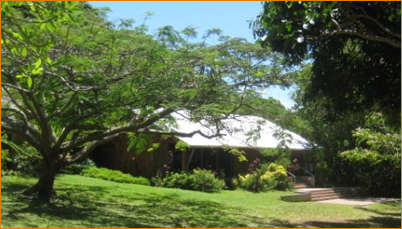
Hymns To Me
Tags: music
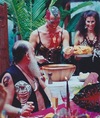
Music plays a central role in the story. For this reason, in celebration of the 29th anniversary of Club Rat (on July 7, 2021), Chris has recreated part of the rock song he wrote and performed that evening, Club Rat, so you can at least get a taste of the actual music from that night. (Adi Da had called for an evening of rock music. Club Rat was the opening song of a night of music that would go on to include much more than rock music. . .)
If for some reason, the player above doesn't work, try this player:
or this link.
CLUB RAT
Club Rat.
Club Rat.
The funky place where God is at.
Club Rat.
Club Rat.
The funky place where. . .
only skanks and whores
walk through its doors.
There you find Your Self
and lose yourself.
When the Lord's in town
Everyone gets down.
Club Rat.
Club Rat.
The funky place where God is at.
(etc.)
CHRIS: This recreation is just as we presented it to Beloved Adi Da during the Club Rat gathering, except for some improvements due to better musical equipment and technology (e.g., drum machines instead of upside-down, plastic "piss buckets" 😜 — read the full story for more about that! ).
I wrote Club Rat, keeping in mind the intensity and "badness" of the pop rock music Beloved Adi Da was listening to at the time (like Michael Jackson's Beat It).
The lyrics are drawn from Adi Da's instructions to us about Club Rat, such as: Club Rat was to be the most "funky" place ever; participating devotees had to be "skanks and whores" — in other words, no suppressed energy or emotional-sexual complication (so He could work with our entire energy, not just the superficial part we usually show to or share with others socially); etc.
The lyrics also drew on current, ongoing considerations Adi Da was having with devotees at the time, such as His Calling to us to "get down" (He was riffing on the popular 1970's slang phrase, giving it His Own unique meaning): a reminder for us to incarnate whole bodily (rather than being merely a "point" in the head, refusing to "get down" below the head).
The line, "When the Lord's in town" was a reference to Beloved Adi Da visiting the "village" of Qaravi: the area of the island of Naitauba where His devotees lived and where "Club Rat" (Hymns To Me) was located.
Hymns To Me
Tags: music
[Contains Polish subtitles. If the CC icon ("Subtitles/closed captions") has a red line under it, the subtitles should appear. If you don't see them, just press the CC icon to turn them on.]
Prezentowane tutaj video to fragment rozmowy Adi Da ze studentaim z 1976 roku. Jak zawsze Adi Da Samraj nie oferuje studentom ani pocieszenia ani lepszego życia w przyszłości. "Twoje cierpienie jest twoim własnym działaniem". Lekarstwem jest zrozumienie przyczyny cierpienia i poznanie Tego co cierpienie poprzedza.
In this seminal discourse (at the Mountain Of Attention), from the early years of His Teaching Work, Adi Da speaks about the inevitable process of self-revelation and self-understanding that prepares the being for true Spiritual life.
The full talk is available on the CD, The Grace of Suffering, and on DVD as Volume 2 of the 25th Anniversary DVD Series.
Tags: Polish CD DVD

Prezentowane tutaj video to fragment rozmowy Adi Da ze studentaim z 1976 roku. Jak zawsze Adi Da Samraj nie oferuje studentom ani pocieszenia ani lepszego życia w przyszłości. "Twoje cierpienie jest twoim własnym działaniem". Lekarstwem jest zrozumienie przyczyny cierpienia i poznanie Tego co cierpienie poprzedza.
In this seminal discourse (at the Mountain Of Attention), from the early years of His Teaching Work, Adi Da speaks about the inevitable process of self-revelation and self-understanding that prepares the being for true Spiritual life.
The full talk is available on the CD, The Grace of Suffering, and on DVD as Volume 2 of the 25th Anniversary DVD Series.
Tags: Polish CD DVD
[Contains Czech subtitles. If the CC icon ("Subtitles/closed captions") has a red line under it, the subtitles should appear. If you don't see them, just press the CC icon to turn them on.]
Video excerpt from an early discourse by Adi Da Samraj on July 29, 1973.
This video clip is an excerpt from the DVD, The Relationship To The Guru Is The Constant In Life.
Adi Da would later make a similar communication in a very memorable way in “The Divine Avataric Self-Disclosure” (in The Aletheon):
ADI DA: The conditionally Apparent “world”-Process Of “Everything Changing” Is Simply The Natural “Play” Of Cosmic Life, In Which the (Always) two sides of every possibility come and go, In Cycles Of appearance and disappearance. Winter’s cold alternates with summer’s heat. Pain, Likewise, Follows every pleasure. Every appearance Is (Inevitably) Followed By its disappearance. There Is No Permanent “experience” In The Realm Of Cosmic Nature. One whose Whole bodily Devotion To Me Is Constant Simply Allows All Of This To Be So. Therefore, one who Truly Listens To Me and “Knows” Me Spontaneously Ceases To Add “self”-Contraction (and, Thus, “conditional-experience-causing” energy and intention) To This Relentless Round Of Natural and Futile Changes. . . Intrinsically egoless Self-Realization Of Me Is Possible Only When a living being (or body-mind-“self”) Has Whole bodily Ceased To React To The Always Changing Imposition Of Cosmic Nature. . . Those who Perfectly “Know” Me Tacitly Understand That whatever Is Not Always Already (or Eternally) Self-Existing and Self-Radiant Only Changes. . . Those who Perfectly “Know” Me Acknowledge (Tacitly, and With every Whole bodily act) That What Is Always Already The (One and Only) Case Never Changes. Such True Devotees Of Mine (who Perfectly “Know” Me) Perfectly Realize That The Entire Cosmic Realm Of Change—and Even the To-Me-Surrendered Whole body (itself)—Is Entirely Pervaded By Me (Always Self-Revealed As That Which Is Always Already The Case).
For more about Adi Da’s principle that what is not used becomes obsolete, read His Essay, “Right Principle and Right Self-Management: The Secrets of How To Change”, in The Aletheon.
Tags: Czech DVD

Video excerpt from an early discourse by Adi Da Samraj on July 29, 1973.
This video clip is an excerpt from the DVD, The Relationship To The Guru Is The Constant In Life.
Adi Da would later make a similar communication in a very memorable way in “The Divine Avataric Self-Disclosure” (in The Aletheon):
ADI DA: The conditionally Apparent “world”-Process Of “Everything Changing” Is Simply The Natural “Play” Of Cosmic Life, In Which the (Always) two sides of every possibility come and go, In Cycles Of appearance and disappearance. Winter’s cold alternates with summer’s heat. Pain, Likewise, Follows every pleasure. Every appearance Is (Inevitably) Followed By its disappearance. There Is No Permanent “experience” In The Realm Of Cosmic Nature. One whose Whole bodily Devotion To Me Is Constant Simply Allows All Of This To Be So. Therefore, one who Truly Listens To Me and “Knows” Me Spontaneously Ceases To Add “self”-Contraction (and, Thus, “conditional-experience-causing” energy and intention) To This Relentless Round Of Natural and Futile Changes. . . Intrinsically egoless Self-Realization Of Me Is Possible Only When a living being (or body-mind-“self”) Has Whole bodily Ceased To React To The Always Changing Imposition Of Cosmic Nature. . . Those who Perfectly “Know” Me Tacitly Understand That whatever Is Not Always Already (or Eternally) Self-Existing and Self-Radiant Only Changes. . . Those who Perfectly “Know” Me Acknowledge (Tacitly, and With every Whole bodily act) That What Is Always Already The (One and Only) Case Never Changes. Such True Devotees Of Mine (who Perfectly “Know” Me) Perfectly Realize That The Entire Cosmic Realm Of Change—and Even the To-Me-Surrendered Whole body (itself)—Is Entirely Pervaded By Me (Always Self-Revealed As That Which Is Always Already The Case).
For more about Adi Da’s principle that what is not used becomes obsolete, read His Essay, “Right Principle and Right Self-Management: The Secrets of How To Change”, in The Aletheon.
Tags: Czech DVD
[Contains Finnish subtitles. If the CC icon ("Subtitles/closed captions") has a red line under it, the subtitles should appear. If you don't see them, just press the CC icon to turn them on.]
Avatar Adi Dan antama puhe vuodelta 1981, joka käsittelee Aidon Ilon luonnetta ja sen Toteutusta hetkestä hetkeen, joka ei onnistu sitä etsimällä.
This is a video excerpt from Adi Da's classic talk, "The Bodily Location of Happiness", which He gave on November 28, 1981. This talk was originally published in the book, The Bodily Location Of Happiness. The full talk is available on CD and on a new DVD, The Location Of Happiness.
Tags: CD DVD Finnish
Avatar Adi Dan antama puhe vuodelta 1981, joka käsittelee Aidon Ilon luonnetta ja sen Toteutusta hetkestä hetkeen, joka ei onnistu sitä etsimällä.
This is a video excerpt from Adi Da's classic talk, "The Bodily Location of Happiness", which He gave on November 28, 1981. This talk was originally published in the book, The Bodily Location Of Happiness. The full talk is available on CD and on a new DVD, The Location Of Happiness.
Tags: CD DVD Finnish
[Contains Polish subtitles. If the CC icon ("Subtitles/closed captions") has a red line under it, the subtitles should appear. If you don't see them, just press the CC icon to turn them on.]
W tym unikalnym dyskursie Adi Da Samraj rozważa, jak duchowa transformacja człowieka jest związana z różnymi aspektami ciała fizycznego. Odnosi się również do tego, że prawdziwy proces duchowy nie opiera się na wysiłku lub zwiększeniu ilości doświadczeń, nawet w wymiarze mistycznym. W prawdziwym procesie duchowym, doświadczenie we wszystkich jego formach (fizycznej i fenomenalnej), muszą być przekroczone.
From a question and answer session with Adi Da on October 28, 1978, in Land Bridge Pavilion at the Mountain Of Attention Sanctuary in Northern California. This is track 2 on the DVD, Surrender of self Is A Koan.
In this excerpt, "Nie ma nikogo, kto mógłby się poddać" ("There Is No One To Surrender"), Adi Da Samraj considers the spiritual transformation of a human being, and states of the body-mind. The real spiritual process is not based on effort or having more (or greater) experiences, even in the mystical dimension. In the true spiritual process, experience, in all its forms (first physical and then mystical), must be transcended through our heart-based practice of God-Communion.
Tags: DVD Polish

W tym unikalnym dyskursie Adi Da Samraj rozważa, jak duchowa transformacja człowieka jest związana z różnymi aspektami ciała fizycznego. Odnosi się również do tego, że prawdziwy proces duchowy nie opiera się na wysiłku lub zwiększeniu ilości doświadczeń, nawet w wymiarze mistycznym. W prawdziwym procesie duchowym, doświadczenie we wszystkich jego formach (fizycznej i fenomenalnej), muszą być przekroczone.
From a question and answer session with Adi Da on October 28, 1978, in Land Bridge Pavilion at the Mountain Of Attention Sanctuary in Northern California. This is track 2 on the DVD, Surrender of self Is A Koan.
In this excerpt, "Nie ma nikogo, kto mógłby się poddać" ("There Is No One To Surrender"), Adi Da Samraj considers the spiritual transformation of a human being, and states of the body-mind. The real spiritual process is not based on effort or having more (or greater) experiences, even in the mystical dimension. In the true spiritual process, experience, in all its forms (first physical and then mystical), must be transcended through our heart-based practice of God-Communion.
Tags: DVD Polish

In this excerpt, Adi Da addresses the fact that although the struggle and distractions in the early stages of spiritual practice are great, there is also great help in the relationship with the Spiritual Master. Attention to all of the ups and downs of the body-mind can be transcended and surrendered through that relationship.
Tags: DVD
From a question and answer session with Adi Da on October 28, 1978, in Land Bridge Pavilion at the Mountain Of Attention Sanctuary in Northern California. This is track 2 on the DVD, Surrender of self Is A Koan.
In this excerpt, Adi Da Samraj considers the spiritual transformation of a human being, and states of the body-mind. The real spiritual process is not based on effort or having more (or greater) experiences, even in the mystical dimension. In the true spiritual process, experience, in all its forms (first physical and then mystical), must be transcended through our heart-based practice of God-Communion.
Tags: DVD
In this excerpt, Adi Da Samraj considers the spiritual transformation of a human being, and states of the body-mind. The real spiritual process is not based on effort or having more (or greater) experiences, even in the mystical dimension. In the true spiritual process, experience, in all its forms (first physical and then mystical), must be transcended through our heart-based practice of God-Communion.
Tags: DVD
[Contains Finnish subtitles. If the CC icon ("Subtitles/closed captions") has a red line under it, the subtitles should appear. If you don't see them, just press the CC icon to turn them on.]
"Oletko oppinut tuntemaan täydellisesti?" ("Have You Learned To Feel Perfectly?") is an excerpt from the longer talk, "The Fire Must Have Its Way". The full talk is available on the DVD, The Fire Must Have Its Way, on which this is track 1. It is also available as a CD. The talk also appears in written form in the book, My "Bright" Sight and online here.
The bottom line: If you want to feel good, you have to learn how to feel good!
ADI DA: Jotenkin, kaiken tämän keskellä, tajuat että kaikki voisi tuntua paljon paremmalta. Voisit tuntea olevasi täysin autuas. Voisit rakastaa ehdottomasti, voisit olla ehdottoman vapaa. Mutta tämä näyttää tavallisen olotilasti vastakohdalta. Olet riippuvainen kaikenlaisista reaktiivisista tunteista, matalista energiatasoista, huomion pakkomielteistä, psyko-fyysisistä tukkeutumista, olet riippuvainen kaikesta tästä, sinulla on miljoona, lukematon määrä ohjelmia, jotka ovat vähemmän kuin rakkaus, joista olet riippuvainen. Mieli on kiinnittynyt halun ja huomion ohjelmistoon. Ja jokaisella ohjelmalla on omat kohteensa joka hetkessä. Mieli pyrkii kohti yhtä tai toista kohdetta, huomiosi liikkuu kohti yhtä tai toisenlaista kohdetta. Se, miltä sinusta tuntuu joka hetkellä, on ilmaisu siitä mielen ohjelmasta, johon olet siinä kohtaa lukittuna.
Mitä olet koko elämäsi aikana oppinut? Oletko oppinut tuntemaan täydellisesti? Tuntemaan täysin? Jouduitko käymään läpi opintokauden,\Njossa opit tuntemaan äärettömiin, ehdottomaan Jumalaisuuteen asti? Ei - opit elämän kaikki reaktiokuviot, kaiken tavanomaisen halun. Ja tunsit ne ennen kuin tutustuit niihin uudellen tässä vartalossa. Eli itselläsi ei voi olla parempaa\Noloa kuin itselläsi voi olla. Ja olet riippuvainen tuntemaan itsesi vähempänä kuin rakkaus, ollaksesti vähemmän kuin ekstaasi.
ADI DA: Somehow in the midst of this round of existence you realize that you can feel a lot better than you now feel, that you can feel absolutely blissful, that you can love absolutely, that you can be absolutely free. But feeling blissful stands in contrast to your common state. You are addicted to reactive emotion, low levels of energy, gross fixations of attention, psycho-physical obstruction. You are addicted to countless programs that are less than love. In every moment your attention is moving toward one or another object, and your feeling in every moment is an expression of the program of mind into which you are locked in that moment.
Now, what have you learned in your whole life? Have you learned to feel perfectly? To feel absolutely? Did you ever go through a period of study in which you learned to feel to Infinity, to feel Absolute Divinity? No, you learned all the reactive patterns of life, all the desires for ordinary things. You knew them even before you became familiar with them again in this body. You cannot feel any better than you can feel, and you are addicted to feeling less than love, to being less than ecstasy.
Tags: Finnish DVD CD

"Oletko oppinut tuntemaan täydellisesti?" ("Have You Learned To Feel Perfectly?") is an excerpt from the longer talk, "The Fire Must Have Its Way". The full talk is available on the DVD, The Fire Must Have Its Way, on which this is track 1. It is also available as a CD. The talk also appears in written form in the book, My "Bright" Sight and online here.
The bottom line: If you want to feel good, you have to learn how to feel good!
ADI DA: Jotenkin, kaiken tämän keskellä, tajuat että kaikki voisi tuntua paljon paremmalta. Voisit tuntea olevasi täysin autuas. Voisit rakastaa ehdottomasti, voisit olla ehdottoman vapaa. Mutta tämä näyttää tavallisen olotilasti vastakohdalta. Olet riippuvainen kaikenlaisista reaktiivisista tunteista, matalista energiatasoista, huomion pakkomielteistä, psyko-fyysisistä tukkeutumista, olet riippuvainen kaikesta tästä, sinulla on miljoona, lukematon määrä ohjelmia, jotka ovat vähemmän kuin rakkaus, joista olet riippuvainen. Mieli on kiinnittynyt halun ja huomion ohjelmistoon. Ja jokaisella ohjelmalla on omat kohteensa joka hetkessä. Mieli pyrkii kohti yhtä tai toista kohdetta, huomiosi liikkuu kohti yhtä tai toisenlaista kohdetta. Se, miltä sinusta tuntuu joka hetkellä, on ilmaisu siitä mielen ohjelmasta, johon olet siinä kohtaa lukittuna.
Mitä olet koko elämäsi aikana oppinut? Oletko oppinut tuntemaan täydellisesti? Tuntemaan täysin? Jouduitko käymään läpi opintokauden,\Njossa opit tuntemaan äärettömiin, ehdottomaan Jumalaisuuteen asti? Ei - opit elämän kaikki reaktiokuviot, kaiken tavanomaisen halun. Ja tunsit ne ennen kuin tutustuit niihin uudellen tässä vartalossa. Eli itselläsi ei voi olla parempaa\Noloa kuin itselläsi voi olla. Ja olet riippuvainen tuntemaan itsesi vähempänä kuin rakkaus, ollaksesti vähemmän kuin ekstaasi.
ADI DA: Somehow in the midst of this round of existence you realize that you can feel a lot better than you now feel, that you can feel absolutely blissful, that you can love absolutely, that you can be absolutely free. But feeling blissful stands in contrast to your common state. You are addicted to reactive emotion, low levels of energy, gross fixations of attention, psycho-physical obstruction. You are addicted to countless programs that are less than love. In every moment your attention is moving toward one or another object, and your feeling in every moment is an expression of the program of mind into which you are locked in that moment.
Now, what have you learned in your whole life? Have you learned to feel perfectly? To feel absolutely? Did you ever go through a period of study in which you learned to feel to Infinity, to feel Absolute Divinity? No, you learned all the reactive patterns of life, all the desires for ordinary things. You knew them even before you became familiar with them again in this body. You cannot feel any better than you can feel, and you are addicted to feeling less than love, to being less than ecstasy.
Tags: Finnish DVD CD
[Contains Italian subtitles. If the CC icon ("Subtitles/closed captions") has a red line under it, the subtitles should appear. If you don't see them, just press the CC icon to turn them on.]
"Avete Imparato a Sentire Perfettamente?" ("Have You Learned to Feel Perfectly?") is a video excerpt from the longer talk, "The Fire Must Have Its Way". The full talk is available on the DVD, The Fire Must Have Its Way, on which this is track 1. It is also available as a CD. The talk also appears in written form in the book, My "Bright" Sight and online here.
The bottom line: If you want to feel good, you have to learn how to feel good!
ADI DA: Somehow in the midst of this round of existence you realize that you can feel a lot better than you now feel, that you can feel absolutely blissful, that you can love absolutely, that you can be absolutely free. But feeling blissful stands in contrast to your common state. You are addicted to reactive emotion, low levels of energy, gross fixations of attention, psycho-physical obstruction. You are addicted to countless programs that are less than love. In every moment your attention is moving toward one or another object, and your feeling in every moment is an expression of the program of mind into which you are locked in that moment.
Now, what have you learned in your whole life? Have you learned to feel perfectly? To feel absolutely? Did you ever go through a period of study in which you learned to feel to Infinity, to feel Absolute Divinity? No, you learned all the reactive patterns of life, all the desires for ordinary things. You knew them even before you became familiar with them again in this body. You cannot feel any better than you can feel, and you are addicted to feeling less than love, to being less than ecstasy.
Tags: Italian DVD CD

"Avete Imparato a Sentire Perfettamente?" ("Have You Learned to Feel Perfectly?") is a video excerpt from the longer talk, "The Fire Must Have Its Way". The full talk is available on the DVD, The Fire Must Have Its Way, on which this is track 1. It is also available as a CD. The talk also appears in written form in the book, My "Bright" Sight and online here.
The bottom line: If you want to feel good, you have to learn how to feel good!
ADI DA: Somehow in the midst of this round of existence you realize that you can feel a lot better than you now feel, that you can feel absolutely blissful, that you can love absolutely, that you can be absolutely free. But feeling blissful stands in contrast to your common state. You are addicted to reactive emotion, low levels of energy, gross fixations of attention, psycho-physical obstruction. You are addicted to countless programs that are less than love. In every moment your attention is moving toward one or another object, and your feeling in every moment is an expression of the program of mind into which you are locked in that moment.
Now, what have you learned in your whole life? Have you learned to feel perfectly? To feel absolutely? Did you ever go through a period of study in which you learned to feel to Infinity, to feel Absolute Divinity? No, you learned all the reactive patterns of life, all the desires for ordinary things. You knew them even before you became familiar with them again in this body. You cannot feel any better than you can feel, and you are addicted to feeling less than love, to being less than ecstasy.
Tags: Italian DVD CD
[Contains Czech subtitles. If the CC icon ("Subtitles/closed captions") has a red line under it, the subtitles should appear. If you don't see them, just press the CC icon to turn them on.]
Rozhovor, ve kterém nás Adi Da vede k velmi střízlivému pohledu na fakt, že to, kam dáváme pozornost během života, ovlivňuje naši pozornost a osud po smrti.
In this sobering video excerpt, "Co se děje po smrti závisí na tom, jak žijete" ("What happens after death depends on how you live"), Adi Da speaks of the condition after death in which mind determines one's circumstance, without the limitations of the body, brain and unconsciousness. He addresses the fact that where one's attention is fixed during life affects attention and destiny after life. He recommends that devotees direct their attention to sadhana so that the purification process gives one wisdom that frees one from karmic limitations.
This talk is published as "After Death, Mind Makes You", in the book, Easy Death.
Tags: Czech death

Rozhovor, ve kterém nás Adi Da vede k velmi střízlivému pohledu na fakt, že to, kam dáváme pozornost během života, ovlivňuje naši pozornost a osud po smrti.
In this sobering video excerpt, "Co se děje po smrti závisí na tom, jak žijete" ("What happens after death depends on how you live"), Adi Da speaks of the condition after death in which mind determines one's circumstance, without the limitations of the body, brain and unconsciousness. He addresses the fact that where one's attention is fixed during life affects attention and destiny after life. He recommends that devotees direct their attention to sadhana so that the purification process gives one wisdom that frees one from karmic limitations.
This talk is published as "After Death, Mind Makes You", in the book, Easy Death.
Tags: Czech death
Audio/Video Links:


Most Popular Categories:
- Adi Da's Talks (463)
- Devotees' Stories of Adi Da (150)
- Adi Da's Image-Art (68)
- Not-Two Is Peace (54)
- Formal Darshan Occasions (36)
- Adi Da's Poetry (11)
- Tribute to Adi Da's Life and Work (11)
- Avataric Discourses: 2004 - 2005 (196)
- DVDs (198) / CDs (240) from the Dawn Horse Press
- Multi-Part Series (67)