Adi Da Up Close
Audio/Video Library
Our multimedia library currently contains 1,023 YouTube video clips and audio clips about (or related to) Adi Da and Adidam.


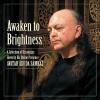
This CD contains a selection of Discourses from 1974 to 1997, which cover a broad spectrum of Avatar Adi Da’s Instruction. They provide a basic introduction to His Wisdom-Teaching and include Adi Da addressing principle matters of Spiritual life.
These Talks encompass the relationship to the Spiritual Master, the principle of Attraction, what occurs in the death process, the fundamental error at the root of all seeking, the limits of conventional religion and scientific materialism, and more.
Tags: CD
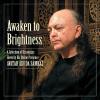
This CD contains a selection of Discourses from 1974 to 1997, which cover a broad spectrum of Avatar Adi Da’s Instruction. They provide a basic introduction to His Wisdom-Teaching and include Adi Da addressing principle matters of Spiritual life.
These Talks encompass the relationship to the Spiritual Master, the principle of Attraction, what occurs in the death process, the fundamental error at the root of all seeking, the limits of conventional religion and scientific materialism, and more.
Tags: CD
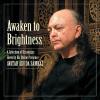
This CD contains a selection of Discourses from 1974 to 1997, which cover a broad spectrum of Avatar Adi Da’s Instruction. They provide a basic introduction to His Wisdom-Teaching and include Adi Da addressing principle matters of Spiritual life.
These Talks encompass the relationship to the Spiritual Master, the principle of Attraction, what occurs in the death process, the fundamental error at the root of all seeking, the limits of conventional religion and scientific materialism, and more. on the CD, Awaken To Brightness.
This CD contains a selection of Discourses from 1974 to 1997, which cover a broad spectrum of Avatar Adi Da’s Instruction. They provide a basic introduction to His Wisdom-Teaching and include Adi Da addressing principle matters of Spiritual life.
These Talks encompass the relationship to the Spiritual Master, the principle of Attraction, what occurs in the death process, the fundamental error at the root of all seeking, the limits of conventional religion and scientific materialism, and more.
Tags: CD
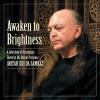
This CD contains a selection of Discourses from 1974 to 1997, which cover a broad spectrum of Avatar Adi Da’s Instruction. They provide a basic introduction to His Wisdom-Teaching and include Adi Da addressing principle matters of Spiritual life.
These Talks encompass the relationship to the Spiritual Master, the principle of Attraction, what occurs in the death process, the fundamental error at the root of all seeking, the limits of conventional religion and scientific materialism, and more.
Tags: CD
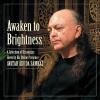
This CD contains a selection of Discourses from 1974 to 1997, which cover a broad spectrum of Avatar Adi Da’s Instruction. They provide a basic introduction to His Wisdom-Teaching and include Adi Da addressing principle matters of Spiritual life.
These Talks encompass the relationship to the Spiritual Master, the principle of Attraction, what occurs in the death process, the fundamental error at the root of all seeking, the limits of conventional religion and scientific materialism, and more.
Tags: CD
“The Brightness Will Outshine You” is track 1 on the CD, Awaken To Brightness.
This CD contains a selection of Discourses from 1974 to 1997, which cover a broad spectrum of Avatar Adi Da’s Instruction. They provide a basic introduction to His Wisdom-Teaching and include Adi Da addressing principle matters of Spiritual life.
These Talks encompass the relationship to the Spiritual Master, the principle of Attraction, what occurs in the death process, the fundamental error at the root of all seeking, the limits of conventional religion and scientific materialism, and more.
Tags: CD
This CD contains a selection of Discourses from 1974 to 1997, which cover a broad spectrum of Avatar Adi Da’s Instruction. They provide a basic introduction to His Wisdom-Teaching and include Adi Da addressing principle matters of Spiritual life.
These Talks encompass the relationship to the Spiritual Master, the principle of Attraction, what occurs in the death process, the fundamental error at the root of all seeking, the limits of conventional religion and scientific materialism, and more.
Tags: CD
As part of His recitation of The Happenine Book in April, 2006, at Adi Da Samrajashram, Adi Da recites "The Five Reality-Teachings". A chanted version is available here.
Tags: Reality-Teachings

Tags: Reality-Teachings
In this excerpt from an Avataric Discourse given on September 18, 2004, at Adi Da Samrajashram, Adi Da points out that all fear is fear of death or extinction. This fear is like a constant background noise, from which we constantly try to distract ourselves with the games of life. Adi Da describes the choice we face: to live in fear, the "native mood of the ego" — or to realize the profundity of the “inherently fearless condition”.
Tags: Avataric Discourse

Tags: Avataric Discourse
[Contains Spanish subtitles. If the CC icon ("Subtitles/closed captions") has a red line under it, the subtitles should appear. If you don't see them, just press the CC icon to turn them on.]
This video clip, "La Funcion de la Literatura Espiritual de Adi Da Samraj" ("The Function of the Spiritual Literature of Adi Da Samraj") includes:
Adi Da: "My Reality-Teaching is unparalleled Spiritual Transmission, occurring under the most extraordinary circumstances. It is not the product of an ordinary mind or a kind of scholarly commentary. It is a direct expression of Spiritual Transformation, of Spiritual Power, of Transcendental, Inherently Spiritual, and (necessarily) Divine Being, Consciousness, and Love-Bliss. It does not arise in Me or through Me in any ordinary fashion. It is an utterly spontaneous and Transcendental Spiritual Event."
For more on how to best make use of Adi Da's Teaching, read the article, The Gift of Study. For more on the Transmission associated with the Teaching, visit our section, The Mantric Force of Adi Da's Word and read our section on Adi Da as Spiritual Transmission Master. For more on Adi Da's unique use of the English language, read our article, Transcendental Orthography as a Teaching Device.
Tags: Avataric Discourse Spanish

This video clip, "La Funcion de la Literatura Espiritual de Adi Da Samraj" ("The Function of the Spiritual Literature of Adi Da Samraj") includes:
- Commentary from Jonathan Condit (at 0:00) — Jonathan Condit was Adi Da's senior editorial assistant, and is Senior Editor for the Adidam Editorial Department. Jonathan talks about "The Function of the Spiritual Literature of Adi Da Samraj", and how Adi Da's Teaching works as Transmission of His Transcendental Spiritual State, and serves the Spiritual Realization of the reader.
- Excerpt from an Avataric Discourse by Adi Da (at 5:35) — The Discourse is "My Teaching is a Direct Transmission of Me", from October 28, 2005. Adi Da talks about how His Teaching Word is a form of Spiritual Transmission, that enables Divine Communion with Him (if the devotee is in the right devotional disposition), in the same way that a Murti photograph does, or any of the other forms of Agency that Adi Da has created for this purpose.
- Commentary from Megan Anderson (at 12:44) — Megan Anderson is an editor in the Adidam Editorial Department. Megan talks about Adi Da's great, final masterpiece, The Aletheon as the purest communication and Transmission of Adi Da Himself (among all His many, extraordinary books), and describes receiving the Revelation of Adi Da as she was proofreading The Aletheon before its publication.
Adi Da: "My Reality-Teaching is unparalleled Spiritual Transmission, occurring under the most extraordinary circumstances. It is not the product of an ordinary mind or a kind of scholarly commentary. It is a direct expression of Spiritual Transformation, of Spiritual Power, of Transcendental, Inherently Spiritual, and (necessarily) Divine Being, Consciousness, and Love-Bliss. It does not arise in Me or through Me in any ordinary fashion. It is an utterly spontaneous and Transcendental Spiritual Event."
For more on how to best make use of Adi Da's Teaching, read the article, The Gift of Study. For more on the Transmission associated with the Teaching, visit our section, The Mantric Force of Adi Da's Word and read our section on Adi Da as Spiritual Transmission Master. For more on Adi Da's unique use of the English language, read our article, Transcendental Orthography as a Teaching Device.
Tags: Avataric Discourse Spanish
[Contains Czech subtitles. If the CC icon ("Subtitles/closed captions") has a red line under it, the subtitles should appear. If you don't see them, just press the CC icon to turn them on.]
"Je mravenec ego?" ("Is an ant an ego?") is a video excerpt from a humorous and profoundly insightful Avataric Discourse (given by Adi Da on October 20, 2004 at Adi Da Samrajashram), Adi Da considers the difference between self-consciousness and egoity, referring to both humans and non-humans (including dogs, ants, and trees).
Tags: Czech Avataric Discourse

"Je mravenec ego?" ("Is an ant an ego?") is a video excerpt from a humorous and profoundly insightful Avataric Discourse (given by Adi Da on October 20, 2004 at Adi Da Samrajashram), Adi Da considers the difference between self-consciousness and egoity, referring to both humans and non-humans (including dogs, ants, and trees).
Tags: Czech Avataric Discourse
[Contains Finnish subtitles. If the CC icon ("Subtitles/closed captions") has a red line under it, the subtitles should appear. If you don't see them, just press the CC icon to turn them on.]
Adi Da huomioi, että jokainen meistä kuuluu ihmislajiin, emmekä ole erillä toisistamme.
"Ihmiskunnan Yhtenäisyys" ("The Unity of Humankind") is an excerpt from the Avataric Discourse of August 22, 2004.
Adi Da describes how humankind is a single family, a single species in "diaspora" — dispersed across the earth as the result of migrations from a single point of origin (in Africa) thousands of years ago. Making much of superficial differences due to race, nation, religion, language, tribe, political system, etc. obscures this more fundamental, deeper reality of the unity of humankind. For the sake of everyone's survival, humankind must begin to live on the basis of its unity, and establish a global cooperative order that includes and serves everyone.
Tags: Finnish Avataric Discourse

Adi Da huomioi, että jokainen meistä kuuluu ihmislajiin, emmekä ole erillä toisistamme.
"Ihmiskunnan Yhtenäisyys" ("The Unity of Humankind") is an excerpt from the Avataric Discourse of August 22, 2004.
Adi Da describes how humankind is a single family, a single species in "diaspora" — dispersed across the earth as the result of migrations from a single point of origin (in Africa) thousands of years ago. Making much of superficial differences due to race, nation, religion, language, tribe, political system, etc. obscures this more fundamental, deeper reality of the unity of humankind. For the sake of everyone's survival, humankind must begin to live on the basis of its unity, and establish a global cooperative order that includes and serves everyone.
Tags: Finnish Avataric Discourse
[Contains Finnish subtitles. If the CC icon ("Subtitles/closed captions") has a red line under it, the subtitles should appear. If you don't see them, just press the CC icon to turn them on.]
Adi Da Samrajille omistautuneet keskittyvät ja juhlivat Hänen kirjoitetun ja puhutun Sanansa Mahtavaa Lahjaa maaliskuun aikana Adidamin pyhässä kulttuurissa. Suosittelemme tätä videota tapana osallistua tämän juhlan merkitykseen. Siinä on kolme osaa: ensin, vanhempi toimittaja Jonathan Condit antaa yleiskatsauksen Avatar Adi Dan kirjallisuuden tarkoituksesta; seuraavaksi Avatar Adi Da Itse puhuu tavasta, miten Hänen Sanansa voi vastaanottaa Hänen elävän Hengellisen Säteilyn Levityksenä; ja lopulta Dawn Horse Pressin päätoimittaja Megan Anderson kertoo omasta paveluksestaan Avatar Adi Dan Mestaritekstin, "The Aletheon":in, parissa.
Tags: Avataric Discourse Finnish

Adi Da Samrajille omistautuneet keskittyvät ja juhlivat Hänen kirjoitetun ja puhutun Sanansa Mahtavaa Lahjaa maaliskuun aikana Adidamin pyhässä kulttuurissa. Suosittelemme tätä videota tapana osallistua tämän juhlan merkitykseen. Siinä on kolme osaa: ensin, vanhempi toimittaja Jonathan Condit antaa yleiskatsauksen Avatar Adi Dan kirjallisuuden tarkoituksesta; seuraavaksi Avatar Adi Da Itse puhuu tavasta, miten Hänen Sanansa voi vastaanottaa Hänen elävän Hengellisen Säteilyn Levityksenä; ja lopulta Dawn Horse Pressin päätoimittaja Megan Anderson kertoo omasta paveluksestaan Avatar Adi Dan Mestaritekstin, "The Aletheon":in, parissa.
Tags: Avataric Discourse Finnish
On July 7, 1992 (Fiji time), at Adi Da Samrajashram, Adi Da created "Club Rat", a most unusual gathering during the height of a Celebratory period. For those unfamiliar with Club Rat, you can read Chris Tong's story about it here.
Music plays a central role in the story. For this reason, in celebration of the 29th anniversary of Club Rat (on July 7, 2021), Chris has recreated part of the rock song he wrote and performed that evening, Club Rat, so you can at least get a taste of the actual music from that night. (Adi Da had called for an evening of rock music. Club Rat was the opening song of a night of music that would go on to include much more than rock music. . .)
If for some reason, the player above doesn't work, try this player:
or this link.
CLUB RAT
Club Rat.
Club Rat.
The funky place where God is at.
Club Rat.
Club Rat.
The funky place where. . .
only skanks and whores
walk through its doors.
There you find Your Self
and lose yourself.
When the Lord's in town
Everyone gets down.
Club Rat.
Club Rat.
The funky place where God is at.
(etc.)
CHRIS: This recreation is just as we presented it to Beloved Adi Da during the Club Rat gathering, except for some improvements due to better musical equipment and technology (e.g., drum machines instead of upside-down, plastic "piss buckets" 😜 — read the full story for more about that! ).
I wrote Club Rat, keeping in mind the intensity and "badness" of the pop rock music Beloved Adi Da was listening to at the time (like Michael Jackson's Beat It).
The lyrics are drawn from Adi Da's instructions to us about Club Rat, such as: Club Rat was to be the most "funky" place ever; participating devotees had to be "skanks and whores" — in other words, no suppressed energy or emotional-sexual complication (so He could work with our entire energy, not just the superficial part we usually show to or share with others socially); etc.
The lyrics also drew on current, ongoing considerations Adi Da was having with devotees at the time, such as His Calling to us to "get down" (He was riffing on the popular 1970's slang phrase, giving it His Own unique meaning): a reminder for us to incarnate whole bodily (rather than being merely a "point" in the head, refusing to "get down" below the head).
The line, "When the Lord's in town" was a reference to Beloved Adi Da visiting the "village" of Qaravi: the area of the island of Naitauba where His devotees lived and where "Club Rat" (Hymns To Me) was located.

Hymns To Me
Tags: music
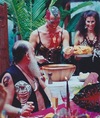
Music plays a central role in the story. For this reason, in celebration of the 29th anniversary of Club Rat (on July 7, 2021), Chris has recreated part of the rock song he wrote and performed that evening, Club Rat, so you can at least get a taste of the actual music from that night. (Adi Da had called for an evening of rock music. Club Rat was the opening song of a night of music that would go on to include much more than rock music. . .)
If for some reason, the player above doesn't work, try this player:
or this link.
CLUB RAT
Club Rat.
Club Rat.
The funky place where God is at.
Club Rat.
Club Rat.
The funky place where. . .
only skanks and whores
walk through its doors.
There you find Your Self
and lose yourself.
When the Lord's in town
Everyone gets down.
Club Rat.
Club Rat.
The funky place where God is at.
(etc.)
CHRIS: This recreation is just as we presented it to Beloved Adi Da during the Club Rat gathering, except for some improvements due to better musical equipment and technology (e.g., drum machines instead of upside-down, plastic "piss buckets" 😜 — read the full story for more about that! ).
I wrote Club Rat, keeping in mind the intensity and "badness" of the pop rock music Beloved Adi Da was listening to at the time (like Michael Jackson's Beat It).
The lyrics are drawn from Adi Da's instructions to us about Club Rat, such as: Club Rat was to be the most "funky" place ever; participating devotees had to be "skanks and whores" — in other words, no suppressed energy or emotional-sexual complication (so He could work with our entire energy, not just the superficial part we usually show to or share with others socially); etc.
The lyrics also drew on current, ongoing considerations Adi Da was having with devotees at the time, such as His Calling to us to "get down" (He was riffing on the popular 1970's slang phrase, giving it His Own unique meaning): a reminder for us to incarnate whole bodily (rather than being merely a "point" in the head, refusing to "get down" below the head).
The line, "When the Lord's in town" was a reference to Beloved Adi Da visiting the "village" of Qaravi: the area of the island of Naitauba where His devotees lived and where "Club Rat" (Hymns To Me) was located.
Hymns To Me
Tags: music
[Contains Finnish subtitles. If the CC icon ("Subtitles/closed captions") has a red line under it, the subtitles should appear. If you don't see them, just press the CC icon to turn them on.]
Sanat kuten "vapaus" ja "rakkaus" määritetään yleisesssä maallikkoympäristössä erittäin rajoitetusti. Tässä Adi Dan esseen lausunnassa hän avaa näiden sanojen aitoa merkitystä.
Slides from a Darshan occasion of Avatar Adi Da at Adi Da Samrajashram.
The audio recording is an excerpt from a recitation of Adi Da's essay, "Freedom Is The Only Law and Happiness Is The Only Reality". This is the Epilogue from Adi Da's book, The Truly Human New World-Culture of Unbroken Real-God-Man, which was originally written in 2001, and updated on November 13, 2019. The essay is read by a student of Adi Da. In the secular world, words like "freedom" and " love" are given a very limited definition. In this essay, Adi Da expands the true meaning of both of these words.
ADI DA: I Am here to Divinely Liberate all beings.
I Am here to Grant True Freedom to every one.
“Freedom” is one of the principal words associated with the politics of this “late-time”. The general trend toward the democratization of the entire world carries with it an intensified interest in the concept of freedom and in the pursuit of freedom. However, in the context and circumstance of this “late-time”, the word “freedom” is used in such a way that the true import of the word is lost, and its meaning is transformed, and even vulgarized.
The same process of vulgarization has also occurred in the case of other words, such as (for example) the word “love”. The word “love” represents a profound concept and reality, but the word itself tends to be used very casually. People commonly say that they “love” this or that, meaning something quite different from what the word “love” rightly and truly signifies.
“Love” is a word that rightly refers to the universal Sacrifice of ego-“self”. Real love is a matter of transcending “self” (or going beyond your limitations in relation to others)—but, in the “late-time” circumstance of vulgarized culture, the word “love” has come to be used in relation to whatever satisfies your inclinations, or fulfills your desires, or (otherwise) somehow compensates for limitations in your life by pleasing you and (thereby) supporting your egoic disposition. None of that has anything to do with real love.
So it also is with the word “freedom”, and the notion of freedom. The world-culture of this “late-time” is essentially an ego-culture associated with complications in the first three stages of life. It is essentially an adolescent culture. And it is in the context of that culture that great words like “love” and “freedom” become vulgarized. In the adolescent disposition, the word “freedom”, like the word “love”, is reduced to an egoic meaning. People say they want to be “free”, or want to act “freely”, or want to be “free” to do this or that—but what they actually mean is that they want to be able to fulfill their desires without limitation. An adolescent reacting to parental authority or parental expectations regards any such authority or expectations to be oppressive or limiting. Therefore, such adolescents say that they want to be “free” to do whatever they please. And that is, in general, what is meant in this “late-time” by the word “freedom”. Even in the larger political sphere, the word “freedom” is used to express the (personal, and also collective) intent to be able to fulfill desires—and those desires are (necessarily) fundamentally ego-based.
What does the fulfillment of desires have to do with true freedom? Rightly, the word “freedom” is synonymous with the word “liberation”. To “be free”, or to “be liberated”, means to “go beyond bondage”. The opposite of “freedom” is “bondage”. If one is truly moved to be truly free, one is moved to relinquish (and go beyond) bondage. Such is the true Wisdom-understanding of freedom.
Neither true freedom, nor real love, nor any other great concept is rightly understood via the words and concepts of adolescents. There must be human maturity (and, therefore, growth in Wisdom) for the great meanings underlying these concepts to be understood and actually lived.
Be moved toward real love, without limit. Be moved toward real happiness, without limit.
Be moved toward true freedom, without limit. You should (and, ultimately, must) be so moved. But to actually realize love (or real happiness, or true freedom) without limit, you must deal with yourself most profoundly. You cannot merely be reactive, like an adolescent or a worldly person.
If you want to be truly free, you must first understand that you are bound, and you must understand how you are bound, and then you must do something about that. If, on the other hand, you are merely reactively inclined to fulfill desires, and you want to be (so-called) “free” to do so, then you are not examining your bondage—what its roots are, what its signs are, what its characteristics are—and, if you are not examining your bondage with real discriminative intelligence, you are also not doing what you must do in order to be truly free.
Tags: Finnish

Sanat kuten "vapaus" ja "rakkaus" määritetään yleisesssä maallikkoympäristössä erittäin rajoitetusti. Tässä Adi Dan esseen lausunnassa hän avaa näiden sanojen aitoa merkitystä.
Slides from a Darshan occasion of Avatar Adi Da at Adi Da Samrajashram.
The audio recording is an excerpt from a recitation of Adi Da's essay, "Freedom Is The Only Law and Happiness Is The Only Reality". This is the Epilogue from Adi Da's book, The Truly Human New World-Culture of Unbroken Real-God-Man, which was originally written in 2001, and updated on November 13, 2019. The essay is read by a student of Adi Da. In the secular world, words like "freedom" and " love" are given a very limited definition. In this essay, Adi Da expands the true meaning of both of these words.
ADI DA: I Am here to Divinely Liberate all beings.
I Am here to Grant True Freedom to every one.
“Freedom” is one of the principal words associated with the politics of this “late-time”. The general trend toward the democratization of the entire world carries with it an intensified interest in the concept of freedom and in the pursuit of freedom. However, in the context and circumstance of this “late-time”, the word “freedom” is used in such a way that the true import of the word is lost, and its meaning is transformed, and even vulgarized.
The same process of vulgarization has also occurred in the case of other words, such as (for example) the word “love”. The word “love” represents a profound concept and reality, but the word itself tends to be used very casually. People commonly say that they “love” this or that, meaning something quite different from what the word “love” rightly and truly signifies.
“Love” is a word that rightly refers to the universal Sacrifice of ego-“self”. Real love is a matter of transcending “self” (or going beyond your limitations in relation to others)—but, in the “late-time” circumstance of vulgarized culture, the word “love” has come to be used in relation to whatever satisfies your inclinations, or fulfills your desires, or (otherwise) somehow compensates for limitations in your life by pleasing you and (thereby) supporting your egoic disposition. None of that has anything to do with real love.
So it also is with the word “freedom”, and the notion of freedom. The world-culture of this “late-time” is essentially an ego-culture associated with complications in the first three stages of life. It is essentially an adolescent culture. And it is in the context of that culture that great words like “love” and “freedom” become vulgarized. In the adolescent disposition, the word “freedom”, like the word “love”, is reduced to an egoic meaning. People say they want to be “free”, or want to act “freely”, or want to be “free” to do this or that—but what they actually mean is that they want to be able to fulfill their desires without limitation. An adolescent reacting to parental authority or parental expectations regards any such authority or expectations to be oppressive or limiting. Therefore, such adolescents say that they want to be “free” to do whatever they please. And that is, in general, what is meant in this “late-time” by the word “freedom”. Even in the larger political sphere, the word “freedom” is used to express the (personal, and also collective) intent to be able to fulfill desires—and those desires are (necessarily) fundamentally ego-based.
What does the fulfillment of desires have to do with true freedom? Rightly, the word “freedom” is synonymous with the word “liberation”. To “be free”, or to “be liberated”, means to “go beyond bondage”. The opposite of “freedom” is “bondage”. If one is truly moved to be truly free, one is moved to relinquish (and go beyond) bondage. Such is the true Wisdom-understanding of freedom.
Neither true freedom, nor real love, nor any other great concept is rightly understood via the words and concepts of adolescents. There must be human maturity (and, therefore, growth in Wisdom) for the great meanings underlying these concepts to be understood and actually lived.
Be moved toward real love, without limit. Be moved toward real happiness, without limit.
Be moved toward true freedom, without limit. You should (and, ultimately, must) be so moved. But to actually realize love (or real happiness, or true freedom) without limit, you must deal with yourself most profoundly. You cannot merely be reactive, like an adolescent or a worldly person.
If you want to be truly free, you must first understand that you are bound, and you must understand how you are bound, and then you must do something about that. If, on the other hand, you are merely reactively inclined to fulfill desires, and you want to be (so-called) “free” to do so, then you are not examining your bondage—what its roots are, what its signs are, what its characteristics are—and, if you are not examining your bondage with real discriminative intelligence, you are also not doing what you must do in order to be truly free.
Tags: Finnish
Slides from a Darshan occasion of Avatar Adi Da at Adi Da Samrajashram.
The audio recording is an excerpt from a recitation of Adi Da's essay, "Freedom Is The Only Law and Happiness Is The Only Reality". This is the Epilogue from Adi Da's book, The Truly Human New World-Culture of Unbroken Real-God-Man, which was originally written in 2001, and updated on November 13, 2019. The essay is read by a student of Adi Da. In the secular world, words like "freedom" and " love" are given a very limited definition. In this essay, Adi Da expands the true meaning of both of these words.
ADI DA: I Am here to Divinely Liberate all beings.
I Am here to Grant True Freedom to every one.
“Freedom” is one of the principal words associated with the politics of this “late-time”. The general trend toward the democratization of the entire world carries with it an intensified interest in the concept of freedom and in the pursuit of freedom. However, in the context and circumstance of this “late-time”, the word “freedom” is used in such a way that the true import of the word is lost, and its meaning is transformed, and even vulgarized.
The same process of vulgarization has also occurred in the case of other words, such as (for example) the word “love”. The word “love” represents a profound concept and reality, but the word itself tends to be used very casually. People commonly say that they “love” this or that, meaning something quite different from what the word “love” rightly and truly signifies.
“Love” is a word that rightly refers to the universal Sacrifice of ego-“self”. Real love is a matter of transcending “self” (or going beyond your limitations in relation to others)—but, in the “late-time” circumstance of vulgarized culture, the word “love” has come to be used in relation to whatever satisfies your inclinations, or fulfills your desires, or (otherwise) somehow compensates for limitations in your life by pleasing you and (thereby) supporting your egoic disposition. None of that has anything to do with real love.
So it also is with the word “freedom”, and the notion of freedom. The world-culture of this “late-time” is essentially an ego-culture associated with complications in the first three stages of life. It is essentially an adolescent culture. And it is in the context of that culture that great words like “love” and “freedom” become vulgarized. In the adolescent disposition, the word “freedom”, like the word “love”, is reduced to an egoic meaning. People say they want to be “free”, or want to act “freely”, or want to be “free” to do this or that—but what they actually mean is that they want to be able to fulfill their desires without limitation. An adolescent reacting to parental authority or parental expectations regards any such authority or expectations to be oppressive or limiting. Therefore, such adolescents say that they want to be “free” to do whatever they please. And that is, in general, what is meant in this “late-time” by the word “freedom”. Even in the larger political sphere, the word “freedom” is used to express the (personal, and also collective) intent to be able to fulfill desires—and those desires are (necessarily) fundamentally ego-based.
What does the fulfillment of desires have to do with true freedom? Rightly, the word “freedom” is synonymous with the word “liberation”. To “be free”, or to “be liberated”, means to “go beyond bondage”. The opposite of “freedom” is “bondage”. If one is truly moved to be truly free, one is moved to relinquish (and go beyond) bondage. Such is the true Wisdom-understanding of freedom.
Neither true freedom, nor real love, nor any other great concept is rightly understood via the words and concepts of adolescents. There must be human maturity (and, therefore, growth in Wisdom) for the great meanings underlying these concepts to be understood and actually lived.
Be moved toward real love, without limit. Be moved toward real happiness, without limit.
Be moved toward true freedom, without limit. You should (and, ultimately, must) be so moved. But to actually realize love (or real happiness, or true freedom) without limit, you must deal with yourself most profoundly. You cannot merely be reactive, like an adolescent or a worldly person.
If you want to be truly free, you must first understand that you are bound, and you must understand how you are bound, and then you must do something about that. If, on the other hand, you are merely reactively inclined to fulfill desires, and you want to be (so-called) “free” to do so, then you are not examining your bondage—what its roots are, what its signs are, what its characteristics are—and, if you are not examining your bondage with real discriminative intelligence, you are also not doing what you must do in order to be truly free.

The audio recording is an excerpt from a recitation of Adi Da's essay, "Freedom Is The Only Law and Happiness Is The Only Reality". This is the Epilogue from Adi Da's book, The Truly Human New World-Culture of Unbroken Real-God-Man, which was originally written in 2001, and updated on November 13, 2019. The essay is read by a student of Adi Da. In the secular world, words like "freedom" and " love" are given a very limited definition. In this essay, Adi Da expands the true meaning of both of these words.
ADI DA: I Am here to Divinely Liberate all beings.
I Am here to Grant True Freedom to every one.
“Freedom” is one of the principal words associated with the politics of this “late-time”. The general trend toward the democratization of the entire world carries with it an intensified interest in the concept of freedom and in the pursuit of freedom. However, in the context and circumstance of this “late-time”, the word “freedom” is used in such a way that the true import of the word is lost, and its meaning is transformed, and even vulgarized.
The same process of vulgarization has also occurred in the case of other words, such as (for example) the word “love”. The word “love” represents a profound concept and reality, but the word itself tends to be used very casually. People commonly say that they “love” this or that, meaning something quite different from what the word “love” rightly and truly signifies.
“Love” is a word that rightly refers to the universal Sacrifice of ego-“self”. Real love is a matter of transcending “self” (or going beyond your limitations in relation to others)—but, in the “late-time” circumstance of vulgarized culture, the word “love” has come to be used in relation to whatever satisfies your inclinations, or fulfills your desires, or (otherwise) somehow compensates for limitations in your life by pleasing you and (thereby) supporting your egoic disposition. None of that has anything to do with real love.
So it also is with the word “freedom”, and the notion of freedom. The world-culture of this “late-time” is essentially an ego-culture associated with complications in the first three stages of life. It is essentially an adolescent culture. And it is in the context of that culture that great words like “love” and “freedom” become vulgarized. In the adolescent disposition, the word “freedom”, like the word “love”, is reduced to an egoic meaning. People say they want to be “free”, or want to act “freely”, or want to be “free” to do this or that—but what they actually mean is that they want to be able to fulfill their desires without limitation. An adolescent reacting to parental authority or parental expectations regards any such authority or expectations to be oppressive or limiting. Therefore, such adolescents say that they want to be “free” to do whatever they please. And that is, in general, what is meant in this “late-time” by the word “freedom”. Even in the larger political sphere, the word “freedom” is used to express the (personal, and also collective) intent to be able to fulfill desires—and those desires are (necessarily) fundamentally ego-based.
What does the fulfillment of desires have to do with true freedom? Rightly, the word “freedom” is synonymous with the word “liberation”. To “be free”, or to “be liberated”, means to “go beyond bondage”. The opposite of “freedom” is “bondage”. If one is truly moved to be truly free, one is moved to relinquish (and go beyond) bondage. Such is the true Wisdom-understanding of freedom.
Neither true freedom, nor real love, nor any other great concept is rightly understood via the words and concepts of adolescents. There must be human maturity (and, therefore, growth in Wisdom) for the great meanings underlying these concepts to be understood and actually lived.
Be moved toward real love, without limit. Be moved toward real happiness, without limit.
Be moved toward true freedom, without limit. You should (and, ultimately, must) be so moved. But to actually realize love (or real happiness, or true freedom) without limit, you must deal with yourself most profoundly. You cannot merely be reactive, like an adolescent or a worldly person.
If you want to be truly free, you must first understand that you are bound, and you must understand how you are bound, and then you must do something about that. If, on the other hand, you are merely reactively inclined to fulfill desires, and you want to be (so-called) “free” to do so, then you are not examining your bondage—what its roots are, what its signs are, what its characteristics are—and, if you are not examining your bondage with real discriminative intelligence, you are also not doing what you must do in order to be truly free.
Audio/Video Links:


Most Popular Categories:
- Adi Da's Talks (463)
- Devotees' Stories of Adi Da (150)
- Adi Da's Image-Art (68)
- Not-Two Is Peace (54)
- Formal Darshan Occasions (36)
- Adi Da's Poetry (11)
- Tribute to Adi Da's Life and Work (11)
- Avataric Discourses: 2004 - 2005 (196)
- DVDs (198) / CDs (240) from the Dawn Horse Press
- Multi-Part Series (67)