Adi Da Up Close
Audio/Video Library
Our multimedia library currently contains 1,023 YouTube video clips and audio clips about (or related to) Adi Da and Adidam.


[Contains Italian subtitles. If the CC icon ("Subtitles/closed captions") has a red line under it, the subtitles should appear. If you don't see them, just press the CC icon to turn them on.]
Adi Da Samraj risponde compassionevolmente, ma da un punto di vista radicale, ad un devoto che ha perso il nipote.
In "Perdita della Vita e Dolore Umani" ("Loss of Life and Human Suffering"), Adi Da Samraj talks about the pain of loss, and about liberation. This is in response to a devotee's question about the Devotional Prayer Of Changes and the death of the devotee's grandchild.
This video excerpt is from the DVD, Easy Death.
Tags: Avataric Discourse Italian DVD

Adi Da Samraj risponde compassionevolmente, ma da un punto di vista radicale, ad un devoto che ha perso il nipote.
In "Perdita della Vita e Dolore Umani" ("Loss of Life and Human Suffering"), Adi Da Samraj talks about the pain of loss, and about liberation. This is in response to a devotee's question about the Devotional Prayer Of Changes and the death of the devotee's grandchild.
This video excerpt is from the DVD, Easy Death.
Tags: Avataric Discourse Italian DVD
[Contains Finnish subtitles. If the CC icon ("Subtitles/closed captions") has a red line under it, the subtitles should appear. If you don't see them, just press the CC icon to turn them on.]
"Onko Muurahaisella Egoa?" ("Is an ant an ego?") is a video excerpt from a humorous and profoundly insightful Avataric Discourse (given by Adi Da on October 20, 2004 at Adi Da Samrajashram), Adi Da considers the difference between self-consciousness and egoity, referring to both humans and non-humans (including dogs, ants, and trees).
ADI DA: [Laughs] You generally attribute egoity to human beings, but you wonder about everything else. For instance, what about not something relatively inert like a rug or even just standing there and not seeming to be particularly responsive, like a tree. But what about a dog? Is a dog, do you think dogs are egos when you see them, just as readily as you think of human beings as egos? But, why do you draw the line? I mean how far does it go? Where do you stop thinking of living entities, at least, as egos? Do you just presume everything bigger than a cricket is an ego? Or is everything that moves in your, from your perspective experientially or in your natural presumptions, how far do, does the fact of egoity extend in your presumption.
Well, is an ant an ego in your presumption?
The word “ego” is actually a Greek word which means “I”. I consider it with you and talk about it in terms of self-contraction and so forth, but, so that’s the elaboration on its meaning, but the word simply means “I” which means the reference, self-reference, the reflexive, reflexive pronoun as it’s called of self-reference. So, does an ant feel self-referential?
You observe them protecting themselves and struggling with others. Couldn’t do so without some kind of self-consciousness, could it? So, you naturally presume that even something like an ant is, is a self, an ego, self-aware. Does something have to move from its spatial location? Does it have to be able to take a walk or, such as an ant or a human being, or can a tree? Does a tree have self-consciousness, exhibit self-consciousness. . .
What about trees? They are entities with apparent self-consciousness of a kind. They are in that sense, egos. But are they egoic? Are they functioning egoically? Are they feeling that they are in bondage and moved to seek as human beings are and as you feel in your own case, you see? Trees don’t seem to behave, generally speaking, in quite that way. They are self-conscious as organisms, but they don’t seem to be particularly disturbed about being trees. They seem more characterized by some kind of contemplation in which they don’t feel disturbed.
But if you observe non-humans, virtually all of them show signs of setting themselves apart and entering into a contemplative state that resembles some kind of a samadhi or meditative condition.
Why do you think human beings are disturbed? You see, why is human egoity what it is? If you observe how it appears in evidence in non-humans, suggests that human beings are the way they are because they’re confined, and not just confined by walls and bars. Some people are, and they get very disturbed there, and walk back and forth or get catatonic.
Your bondage is your own activity, and it also extends from conditions. Conditions can reinforce or seem to justify self-contraction. But still what you’re suffering is self-contraction itself.
So, human beings are actually confined, and they are self-confined, and otherwise, also, living in various modes and degrees of confinement by conditions of life and in fact, human beings feel confined by bodily existence, because however healthy you may be at the moment, you know you’re going to die, and are potentially, potentially, you could suffer any number of great happenings. And you anticipate that inevitably, you will, sooner or later, experience some fundamental difficulties that you would prefer not to have to endure, including disease and death.
Well, everything that’s physically living is going to die. The trouble, the difference is does it drive you crazy, make you seek, or are you at ease, because you haven’t lost touch with what transcends that possibility?
Tags: Avataric Discourse Finnish

"Onko Muurahaisella Egoa?" ("Is an ant an ego?") is a video excerpt from a humorous and profoundly insightful Avataric Discourse (given by Adi Da on October 20, 2004 at Adi Da Samrajashram), Adi Da considers the difference between self-consciousness and egoity, referring to both humans and non-humans (including dogs, ants, and trees).
ADI DA: [Laughs] You generally attribute egoity to human beings, but you wonder about everything else. For instance, what about not something relatively inert like a rug or even just standing there and not seeming to be particularly responsive, like a tree. But what about a dog? Is a dog, do you think dogs are egos when you see them, just as readily as you think of human beings as egos? But, why do you draw the line? I mean how far does it go? Where do you stop thinking of living entities, at least, as egos? Do you just presume everything bigger than a cricket is an ego? Or is everything that moves in your, from your perspective experientially or in your natural presumptions, how far do, does the fact of egoity extend in your presumption.
Well, is an ant an ego in your presumption?
The word “ego” is actually a Greek word which means “I”. I consider it with you and talk about it in terms of self-contraction and so forth, but, so that’s the elaboration on its meaning, but the word simply means “I” which means the reference, self-reference, the reflexive, reflexive pronoun as it’s called of self-reference. So, does an ant feel self-referential?
You observe them protecting themselves and struggling with others. Couldn’t do so without some kind of self-consciousness, could it? So, you naturally presume that even something like an ant is, is a self, an ego, self-aware. Does something have to move from its spatial location? Does it have to be able to take a walk or, such as an ant or a human being, or can a tree? Does a tree have self-consciousness, exhibit self-consciousness. . .
What about trees? They are entities with apparent self-consciousness of a kind. They are in that sense, egos. But are they egoic? Are they functioning egoically? Are they feeling that they are in bondage and moved to seek as human beings are and as you feel in your own case, you see? Trees don’t seem to behave, generally speaking, in quite that way. They are self-conscious as organisms, but they don’t seem to be particularly disturbed about being trees. They seem more characterized by some kind of contemplation in which they don’t feel disturbed.
But if you observe non-humans, virtually all of them show signs of setting themselves apart and entering into a contemplative state that resembles some kind of a samadhi or meditative condition.
Why do you think human beings are disturbed? You see, why is human egoity what it is? If you observe how it appears in evidence in non-humans, suggests that human beings are the way they are because they’re confined, and not just confined by walls and bars. Some people are, and they get very disturbed there, and walk back and forth or get catatonic.
Your bondage is your own activity, and it also extends from conditions. Conditions can reinforce or seem to justify self-contraction. But still what you’re suffering is self-contraction itself.
So, human beings are actually confined, and they are self-confined, and otherwise, also, living in various modes and degrees of confinement by conditions of life and in fact, human beings feel confined by bodily existence, because however healthy you may be at the moment, you know you’re going to die, and are potentially, potentially, you could suffer any number of great happenings. And you anticipate that inevitably, you will, sooner or later, experience some fundamental difficulties that you would prefer not to have to endure, including disease and death.
Well, everything that’s physically living is going to die. The trouble, the difference is does it drive you crazy, make you seek, or are you at ease, because you haven’t lost touch with what transcends that possibility?
Tags: Avataric Discourse Finnish
[Contains Spanish subtitles. If the CC icon ("Subtitles/closed captions") has a red line under it, the subtitles should appear. If you don't see them, just press the CC icon to turn them on.]
"żEs una Hormiga un Ego?" ("Is an ant an ego?") is a video excerpt from a humorous and profoundly insightful Avataric Discourse (given by Adi Da on October 20, 2004 at Adi Da Samrajashram), Adi Da considers the difference between self-consciousness and egoity, referring to both humans and non-humans (including dogs, ants, and trees).
ADI DA: [Laughs] You generally attribute egoity to human beings, but you wonder about everything else. For instance, what about not something relatively inert like a rug or even just standing there and not seeming to be particularly responsive, like a tree. But what about a dog? Is a dog, do you think dogs are egos when you see them, just as readily as you think of human beings as egos? But, why do you draw the line? I mean how far does it go? Where do you stop thinking of living entities, at least, as egos? Do you just presume everything bigger than a cricket is an ego? Or is everything that moves in your, from your perspective experientially or in your natural presumptions, how far do, does the fact of egoity extend in your presumption.
Well, is an ant an ego in your presumption?
The word “ego” is actually a Greek word which means “I”. I consider it with you and talk about it in terms of self-contraction and so forth, but, so that’s the elaboration on its meaning, but the word simply means “I” which means the reference, self-reference, the reflexive, reflexive pronoun as it’s called of self-reference. So, does an ant feel self-referential?
You observe them protecting themselves and struggling with others. Couldn’t do so without some kind of self-consciousness, could it? So, you naturally presume that even something like an ant is, is a self, an ego, self-aware. Does something have to move from its spatial location? Does it have to be able to take a walk or, such as an ant or a human being, or can a tree? Does a tree have self-consciousness, exhibit self-consciousness. . .
What about trees? They are entities with apparent self-consciousness of a kind. They are in that sense, egos. But are they egoic? Are they functioning egoically? Are they feeling that they are in bondage and moved to seek as human beings are and as you feel in your own case, you see? Trees don’t seem to behave, generally speaking, in quite that way. They are self-conscious as organisms, but they don’t seem to be particularly disturbed about being trees. They seem more characterized by some kind of contemplation in which they don’t feel disturbed.
But if you observe non-humans, virtually all of them show signs of setting themselves apart and entering into a contemplative state that resembles some kind of a samadhi or meditative condition.
Why do you think human beings are disturbed? You see, why is human egoity what it is? If you observe how it appears in evidence in non-humans, suggests that human beings are the way they are because they’re confined, and not just confined by walls and bars. Some people are, and they get very disturbed there, and walk back and forth or get catatonic.
Your bondage is your own activity, and it also extends from conditions. Conditions can reinforce or seem to justify self-contraction. But still what you’re suffering is self-contraction itself.
So, human beings are actually confined, and they are self-confined, and otherwise, also, living in various modes and degrees of confinement by conditions of life and in fact, human beings feel confined by bodily existence, because however healthy you may be at the moment, you know you’re going to die, and are potentially, potentially, you could suffer any number of great happenings. And you anticipate that inevitably, you will, sooner or later, experience some fundamental difficulties that you would prefer not to have to endure, including disease and death.
Well, everything that’s physically living is going to die. The trouble, the difference is does it drive you crazy, make you seek, or are you at ease, because you haven’t lost touch with what transcends that possibility?
Tags: Avataric Discourse Spanish

"żEs una Hormiga un Ego?" ("Is an ant an ego?") is a video excerpt from a humorous and profoundly insightful Avataric Discourse (given by Adi Da on October 20, 2004 at Adi Da Samrajashram), Adi Da considers the difference between self-consciousness and egoity, referring to both humans and non-humans (including dogs, ants, and trees).
ADI DA: [Laughs] You generally attribute egoity to human beings, but you wonder about everything else. For instance, what about not something relatively inert like a rug or even just standing there and not seeming to be particularly responsive, like a tree. But what about a dog? Is a dog, do you think dogs are egos when you see them, just as readily as you think of human beings as egos? But, why do you draw the line? I mean how far does it go? Where do you stop thinking of living entities, at least, as egos? Do you just presume everything bigger than a cricket is an ego? Or is everything that moves in your, from your perspective experientially or in your natural presumptions, how far do, does the fact of egoity extend in your presumption.
Well, is an ant an ego in your presumption?
The word “ego” is actually a Greek word which means “I”. I consider it with you and talk about it in terms of self-contraction and so forth, but, so that’s the elaboration on its meaning, but the word simply means “I” which means the reference, self-reference, the reflexive, reflexive pronoun as it’s called of self-reference. So, does an ant feel self-referential?
You observe them protecting themselves and struggling with others. Couldn’t do so without some kind of self-consciousness, could it? So, you naturally presume that even something like an ant is, is a self, an ego, self-aware. Does something have to move from its spatial location? Does it have to be able to take a walk or, such as an ant or a human being, or can a tree? Does a tree have self-consciousness, exhibit self-consciousness. . .
What about trees? They are entities with apparent self-consciousness of a kind. They are in that sense, egos. But are they egoic? Are they functioning egoically? Are they feeling that they are in bondage and moved to seek as human beings are and as you feel in your own case, you see? Trees don’t seem to behave, generally speaking, in quite that way. They are self-conscious as organisms, but they don’t seem to be particularly disturbed about being trees. They seem more characterized by some kind of contemplation in which they don’t feel disturbed.
But if you observe non-humans, virtually all of them show signs of setting themselves apart and entering into a contemplative state that resembles some kind of a samadhi or meditative condition.
Why do you think human beings are disturbed? You see, why is human egoity what it is? If you observe how it appears in evidence in non-humans, suggests that human beings are the way they are because they’re confined, and not just confined by walls and bars. Some people are, and they get very disturbed there, and walk back and forth or get catatonic.
Your bondage is your own activity, and it also extends from conditions. Conditions can reinforce or seem to justify self-contraction. But still what you’re suffering is self-contraction itself.
So, human beings are actually confined, and they are self-confined, and otherwise, also, living in various modes and degrees of confinement by conditions of life and in fact, human beings feel confined by bodily existence, because however healthy you may be at the moment, you know you’re going to die, and are potentially, potentially, you could suffer any number of great happenings. And you anticipate that inevitably, you will, sooner or later, experience some fundamental difficulties that you would prefer not to have to endure, including disease and death.
Well, everything that’s physically living is going to die. The trouble, the difference is does it drive you crazy, make you seek, or are you at ease, because you haven’t lost touch with what transcends that possibility?
Tags: Avataric Discourse Spanish
[Contains Polish subtitles. If the CC icon ("Subtitles/closed captions") has a red line under it, the subtitles should appear. If you don't see them, just press the CC icon to turn them on.]
ADI DA: „Ludzka rozpacz i straty są dla mnie wstrząsające i straszne, to ogromny ciężar. Nieuchronnie współczuję i błogosławię ludzi w ich kłopotach. Musisz jednak zrozumieć, że taki jest charakter tego miejsca. To nie jest Utopia. To nie raj. To miejsce śmierci, zakończeń, cierpienia, ulotnych rozrywek, to zbyt mało. Ale jedynie reagować przez lata na twoje problemy i próbować z tego zbudować twoje życie to bezowocny wysiłek. Musisz wznieść się ponad reagowanie na chwile cierpienia i straty bo twoja kolej nadchodzi. Pewnego dnia to będzie twoja śmierć. Wszyscy przeminą. Wszystko przepadnie. Wszystko się straci. Wszystko się zmieni. Każda możliwa separacja nastąpi. Musisz poznać to miejsce, w którym się znalazłeś i żyć zgodnie z tą wiedzą. A nie godzić się z przyjmowanym fałszywym obrazem bytu czy świata, i próbować idealizować jakiś aspekt potencjalnego doświadczenia, które sprowadza się do uzależnień i powtórzeń tego samego. A wszystko po to, aby uniknąć wiedzy o życiu i o całym piekle, które nadciąga nad Ziemię i jest tutaj, w tych strasznych, ciemnych, czasach niewiedzy, w tych złych, morderczych czasach. Bez względu na to, co tutaj jest twórcze, szlachetne czy interesujące musisz poważnie traktować rzeczywistość warunkowej egzystencji i zrozumieć, że nie spełnisz się tutaj”.
Adi Da następnie mówi o tym, że to zrozumienie w naturalny sposób doprowadzi osobę do wyrzeczenia się poszukiwania spełnienia na tym świecie i do otwarcia się na Prawdę i Rzeczywistości, które On i Jego Nauczanie oraz inne Dary Wyzwolenia oferują.
"To miejsce to nie Utopia" ("This Place Is Not a Utopia") is an excerpt from an Avataric Discourse given by Adi Da Samraj on October 6, 2005, at the Mountain Of Attention Sanctuary.
ADI DA: "I find people's sorrows and losses to be heartbreaking and terrible and an immense burden and I am sympathetic and bless people in their trouble. However you must understand that is the nature of this place. This is not utopia, it is not paradise. It is a place of death, endings, suffering, brief amusements. It is not enough and merely to react to your difficulties for overlong and try to make an entire life out of it is fruitless. You do have to move on beyond that reaction to any moments suffering and loss. You must know the place you’re in and live in accordance with that knowledge instead of being sympathetic with some false view of the world or self or trying to idealize some aspect of potential experience, indulging in what amounts to addictions, repetitions of experiences, in order to avoid the knowledge of what is inherent in life, as well as all the hell that is coming on earth and is here. You will not be fulfilled.”
Tags: Polish

ADI DA: „Ludzka rozpacz i straty są dla mnie wstrząsające i straszne, to ogromny ciężar. Nieuchronnie współczuję i błogosławię ludzi w ich kłopotach. Musisz jednak zrozumieć, że taki jest charakter tego miejsca. To nie jest Utopia. To nie raj. To miejsce śmierci, zakończeń, cierpienia, ulotnych rozrywek, to zbyt mało. Ale jedynie reagować przez lata na twoje problemy i próbować z tego zbudować twoje życie to bezowocny wysiłek. Musisz wznieść się ponad reagowanie na chwile cierpienia i straty bo twoja kolej nadchodzi. Pewnego dnia to będzie twoja śmierć. Wszyscy przeminą. Wszystko przepadnie. Wszystko się straci. Wszystko się zmieni. Każda możliwa separacja nastąpi. Musisz poznać to miejsce, w którym się znalazłeś i żyć zgodnie z tą wiedzą. A nie godzić się z przyjmowanym fałszywym obrazem bytu czy świata, i próbować idealizować jakiś aspekt potencjalnego doświadczenia, które sprowadza się do uzależnień i powtórzeń tego samego. A wszystko po to, aby uniknąć wiedzy o życiu i o całym piekle, które nadciąga nad Ziemię i jest tutaj, w tych strasznych, ciemnych, czasach niewiedzy, w tych złych, morderczych czasach. Bez względu na to, co tutaj jest twórcze, szlachetne czy interesujące musisz poważnie traktować rzeczywistość warunkowej egzystencji i zrozumieć, że nie spełnisz się tutaj”.
Adi Da następnie mówi o tym, że to zrozumienie w naturalny sposób doprowadzi osobę do wyrzeczenia się poszukiwania spełnienia na tym świecie i do otwarcia się na Prawdę i Rzeczywistości, które On i Jego Nauczanie oraz inne Dary Wyzwolenia oferują.
"To miejsce to nie Utopia" ("This Place Is Not a Utopia") is an excerpt from an Avataric Discourse given by Adi Da Samraj on October 6, 2005, at the Mountain Of Attention Sanctuary.
ADI DA: "I find people's sorrows and losses to be heartbreaking and terrible and an immense burden and I am sympathetic and bless people in their trouble. However you must understand that is the nature of this place. This is not utopia, it is not paradise. It is a place of death, endings, suffering, brief amusements. It is not enough and merely to react to your difficulties for overlong and try to make an entire life out of it is fruitless. You do have to move on beyond that reaction to any moments suffering and loss. You must know the place you’re in and live in accordance with that knowledge instead of being sympathetic with some false view of the world or self or trying to idealize some aspect of potential experience, indulging in what amounts to addictions, repetitions of experiences, in order to avoid the knowledge of what is inherent in life, as well as all the hell that is coming on earth and is here. You will not be fulfilled.”
Tags: Polish
This is an excerpt from the longer talk, "The Fire Must Have Its Way". The full talk is available on the DVD, The Fire Must Have Its Way, on which this is track 1. It is also available as a CD. The talk also appears in written form in the book, My "Bright" Sight and online here.
The bottom line: If you want to feel good, you have to learn how to feel good!
ADI DA: Somehow in the midst of this round of existence you realize that you can feel a lot better than you now feel, that you can feel absolutely blissful, that you can love absolutely, that you can be absolutely free. But feeling blissful stands in contrast to your common state. You are addicted to reactive emotion, low levels of energy, gross fixations of attention, psycho-physical obstruction. You are addicted to countless programs that are less than love. In every moment your attention is moving toward one or another object, and your feeling in every moment is an expression of the program of mind into which you are locked in that moment.
Now, what have you learned in your whole life? Have you learned to feel perfectly? To feel absolutely? Did you ever go through a period of study in which you learned to feel to Infinity, to feel Absolute Divinity? No, you learned all the reactive patterns of life, all the desires for ordinary things. You knew them even before you became familiar with them again in this body. You cannot feel any better than you can feel, and you are addicted to feeling less than love, to being less than ecstasy.
Tags: CD DVD

The bottom line: If you want to feel good, you have to learn how to feel good!
ADI DA: Somehow in the midst of this round of existence you realize that you can feel a lot better than you now feel, that you can feel absolutely blissful, that you can love absolutely, that you can be absolutely free. But feeling blissful stands in contrast to your common state. You are addicted to reactive emotion, low levels of energy, gross fixations of attention, psycho-physical obstruction. You are addicted to countless programs that are less than love. In every moment your attention is moving toward one or another object, and your feeling in every moment is an expression of the program of mind into which you are locked in that moment.
Now, what have you learned in your whole life? Have you learned to feel perfectly? To feel absolutely? Did you ever go through a period of study in which you learned to feel to Infinity, to feel Absolute Divinity? No, you learned all the reactive patterns of life, all the desires for ordinary things. You knew them even before you became familiar with them again in this body. You cannot feel any better than you can feel, and you are addicted to feeling less than love, to being less than ecstasy.
Tags: CD DVD
[Contains Italian subtitles. If the CC icon ("Subtitles/closed captions") has a red line under it, the subtitles should appear. If you don't see them, just press the CC icon to turn them on.]
"Le formiche hanno un ego" ("Ants have an ego") is a video excerpt from a humorous and profoundly insightful Avataric Discourse (given by Adi Da on October 20, 2004 at Adi Da Samrajashram), Adi Da considers the difference between self-consciousness and egoity, referring to both humans and non-humans (including dogs, ants, and trees).
ADI DA: [Laughs] You generally attribute egoity to human beings, but you wonder about everything else. For instance, what about not something relatively inert like a rug or even just standing there and not seeming to be particularly responsive, like a tree. But what about a dog? Is a dog, do you think dogs are egos when you see them, just as readily as you think of human beings as egos? But, why do you draw the line? I mean how far does it go? Where do you stop thinking of living entities, at least, as egos? Do you just presume everything bigger than a cricket is an ego? Or is everything that moves in your, from your perspective experientially or in your natural presumptions, how far do, does the fact of egoity extend in your presumption.
Well, is an ant an ego in your presumption?
The word “ego” is actually a Greek word which means “I”. I consider it with you and talk about it in terms of self-contraction and so forth, but, so that’s the elaboration on its meaning, but the word simply means “I” which means the reference, self-reference, the reflexive, reflexive pronoun as it’s called of self-reference. So, does an ant feel self-referential?
You observe them protecting themselves and struggling with others. Couldn’t do so without some kind of self-consciousness, could it? So, you naturally presume that even something like an ant is, is a self, an ego, self-aware. Does something have to move from its spatial location? Does it have to be able to take a walk or, such as an ant or a human being, or can a tree? Does a tree have self-consciousness, exhibit self-consciousness. . .
What about trees? They are entities with apparent self-consciousness of a kind. They are in that sense, egos. But are they egoic? Are they functioning egoically? Are they feeling that they are in bondage and moved to seek as human beings are and as you feel in your own case, you see? Trees don’t seem to behave, generally speaking, in quite that way. They are self-conscious as organisms, but they don’t seem to be particularly disturbed about being trees. They seem more characterized by some kind of contemplation in which they don’t feel disturbed.
But if you observe non-humans, virtually all of them show signs of setting themselves apart and entering into a contemplative state that resembles some kind of a samadhi or meditative condition.
Why do you think human beings are disturbed? You see, why is human egoity what it is? If you observe how it appears in evidence in non-humans, suggests that human beings are the way they are because they’re confined, and not just confined by walls and bars. Some people are, and they get very disturbed there, and walk back and forth or get catatonic.
Your bondage is your own activity, and it also extends from conditions. Conditions can reinforce or seem to justify self-contraction. But still what you’re suffering is self-contraction itself.
So, human beings are actually confined, and they are self-confined, and otherwise, also, living in various modes and degrees of confinement by conditions of life and in fact, human beings feel confined by bodily existence, because however healthy you may be at the moment, you know you’re going to die, and are potentially, potentially, you could suffer any number of great happenings. And you anticipate that inevitably, you will, sooner or later, experience some fundamental difficulties that you would prefer not to have to endure, including disease and death.
Well, everything that’s physically living is going to die. The trouble, the difference is does it drive you crazy, make you seek, or are you at ease, because you haven’t lost touch with what transcends that possibility?
Tags: Avataric Discourse Italian

"Le formiche hanno un ego" ("Ants have an ego") is a video excerpt from a humorous and profoundly insightful Avataric Discourse (given by Adi Da on October 20, 2004 at Adi Da Samrajashram), Adi Da considers the difference between self-consciousness and egoity, referring to both humans and non-humans (including dogs, ants, and trees).
ADI DA: [Laughs] You generally attribute egoity to human beings, but you wonder about everything else. For instance, what about not something relatively inert like a rug or even just standing there and not seeming to be particularly responsive, like a tree. But what about a dog? Is a dog, do you think dogs are egos when you see them, just as readily as you think of human beings as egos? But, why do you draw the line? I mean how far does it go? Where do you stop thinking of living entities, at least, as egos? Do you just presume everything bigger than a cricket is an ego? Or is everything that moves in your, from your perspective experientially or in your natural presumptions, how far do, does the fact of egoity extend in your presumption.
Well, is an ant an ego in your presumption?
The word “ego” is actually a Greek word which means “I”. I consider it with you and talk about it in terms of self-contraction and so forth, but, so that’s the elaboration on its meaning, but the word simply means “I” which means the reference, self-reference, the reflexive, reflexive pronoun as it’s called of self-reference. So, does an ant feel self-referential?
You observe them protecting themselves and struggling with others. Couldn’t do so without some kind of self-consciousness, could it? So, you naturally presume that even something like an ant is, is a self, an ego, self-aware. Does something have to move from its spatial location? Does it have to be able to take a walk or, such as an ant or a human being, or can a tree? Does a tree have self-consciousness, exhibit self-consciousness. . .
What about trees? They are entities with apparent self-consciousness of a kind. They are in that sense, egos. But are they egoic? Are they functioning egoically? Are they feeling that they are in bondage and moved to seek as human beings are and as you feel in your own case, you see? Trees don’t seem to behave, generally speaking, in quite that way. They are self-conscious as organisms, but they don’t seem to be particularly disturbed about being trees. They seem more characterized by some kind of contemplation in which they don’t feel disturbed.
But if you observe non-humans, virtually all of them show signs of setting themselves apart and entering into a contemplative state that resembles some kind of a samadhi or meditative condition.
Why do you think human beings are disturbed? You see, why is human egoity what it is? If you observe how it appears in evidence in non-humans, suggests that human beings are the way they are because they’re confined, and not just confined by walls and bars. Some people are, and they get very disturbed there, and walk back and forth or get catatonic.
Your bondage is your own activity, and it also extends from conditions. Conditions can reinforce or seem to justify self-contraction. But still what you’re suffering is self-contraction itself.
So, human beings are actually confined, and they are self-confined, and otherwise, also, living in various modes and degrees of confinement by conditions of life and in fact, human beings feel confined by bodily existence, because however healthy you may be at the moment, you know you’re going to die, and are potentially, potentially, you could suffer any number of great happenings. And you anticipate that inevitably, you will, sooner or later, experience some fundamental difficulties that you would prefer not to have to endure, including disease and death.
Well, everything that’s physically living is going to die. The trouble, the difference is does it drive you crazy, make you seek, or are you at ease, because you haven’t lost touch with what transcends that possibility?
Tags: Avataric Discourse Italian
[Contains Polish subtitles. If the CC icon ("Subtitles/closed captions") has a red line under it, the subtitles should appear. If you don't see them, just press the CC icon to turn them on.]
"Czy nauczyłeś się czuć doskonale?" ("Have you learned to feel perfectly?") is an excerpt from the longer talk, "The Fire Must Have Its Way". The full talk is available on the DVD, The Fire Must Have Its Way. It is also available as a CD. The talk also appears in written form in the book, My "Bright" Sight and online here.
The bottom line: If you want to feel good, you have to learn how to feel good!
ADI DA: Jakoś w tym wszystkim zdajesz sobie sprawę, że możesz czuć się dużo lepiej. Możesz czuć się absolutnie błogo. Możesz kochać absolutnie. Możesz być całkowicie wolny. Ale to stoi w sprzeczności z twoim wspólnym stanem. Widzicie, jesteście uzależnieni od wszelkiego rodzaju reaktywnych emocji, niskiego poziomu energii, fiksacji uwagi, przeszkód psychofizycznych. Jesteś uzależniony od tego wszystkiego. Masz milion, niezliczoną liczbę programów, które są mniej niż miłością, do których jesteś uzależniony. Umysł jest przymocowany do programów pożądania, uwagi. Każdy z tych programów ma swoje obiekty iw każdej chwili umysł dąży do jednego lub innego rodzaju obiektu. Twoja uwaga porusza się w kierunku jednego lub innego rodzaju obiektu. Twoje uczucie w każdej chwili jest wyrazem programu umysłu, w którym jesteś zamknięty w tej chwili.
Czego nauczyłeś się przez całe życie? Czy nauczyłeś się czuć się doskonale, czuć się absolutnie? Czy kiedykolwiek przechodziłeś przez okres nauki, w którym nauczyłeś się czuć do Nieskończoności, czuć Absolutną Boskość? Zobaczysz. Nie, nauczyliście się wszystkich wzorców reakcji życia, wszystkich pragnień zwykłych rzeczy, widzicie. A ty ich znałeś, zanim ponownie zapoznałeś się z nimi w tym ciele. Więc nie możesz czuć się lepiej niż możesz się czuć. I jesteś uzależniony od mniej niż miłości, bycia mniej niż ekstazą.
ADI DA: Somehow in the midst of this round of existence you realize that you can feel a lot better than you now feel, that you can feel absolutely blissful, that you can love absolutely, that you can be absolutely free. But feeling blissful stands in contrast to your common state. You are addicted to reactive emotion, low levels of energy, gross fixations of attention, psycho-physical obstruction. You are addicted to countless programs that are less than love. In every moment your attention is moving toward one or another object, and your feeling in every moment is an expression of the program of mind into which you are locked in that moment.
Now, what have you learned in your whole life? Have you learned to feel perfectly? To feel absolutely? Did you ever go through a period of study in which you learned to feel to Infinity, to feel Absolute Divinity? No, you learned all the reactive patterns of life, all the desires for ordinary things. You knew them even before you became familiar with them again in this body. You cannot feel any better than you can feel, and you are addicted to feeling less than love, to being less than ecstasy. When you come to see Me, you will realize that you cannot feel any better than you can feel.
Tags: Polish CD

"Czy nauczyłeś się czuć doskonale?" ("Have you learned to feel perfectly?") is an excerpt from the longer talk, "The Fire Must Have Its Way". The full talk is available on the DVD, The Fire Must Have Its Way. It is also available as a CD. The talk also appears in written form in the book, My "Bright" Sight and online here.
The bottom line: If you want to feel good, you have to learn how to feel good!
ADI DA: Jakoś w tym wszystkim zdajesz sobie sprawę, że możesz czuć się dużo lepiej. Możesz czuć się absolutnie błogo. Możesz kochać absolutnie. Możesz być całkowicie wolny. Ale to stoi w sprzeczności z twoim wspólnym stanem. Widzicie, jesteście uzależnieni od wszelkiego rodzaju reaktywnych emocji, niskiego poziomu energii, fiksacji uwagi, przeszkód psychofizycznych. Jesteś uzależniony od tego wszystkiego. Masz milion, niezliczoną liczbę programów, które są mniej niż miłością, do których jesteś uzależniony. Umysł jest przymocowany do programów pożądania, uwagi. Każdy z tych programów ma swoje obiekty iw każdej chwili umysł dąży do jednego lub innego rodzaju obiektu. Twoja uwaga porusza się w kierunku jednego lub innego rodzaju obiektu. Twoje uczucie w każdej chwili jest wyrazem programu umysłu, w którym jesteś zamknięty w tej chwili.
Czego nauczyłeś się przez całe życie? Czy nauczyłeś się czuć się doskonale, czuć się absolutnie? Czy kiedykolwiek przechodziłeś przez okres nauki, w którym nauczyłeś się czuć do Nieskończoności, czuć Absolutną Boskość? Zobaczysz. Nie, nauczyliście się wszystkich wzorców reakcji życia, wszystkich pragnień zwykłych rzeczy, widzicie. A ty ich znałeś, zanim ponownie zapoznałeś się z nimi w tym ciele. Więc nie możesz czuć się lepiej niż możesz się czuć. I jesteś uzależniony od mniej niż miłości, bycia mniej niż ekstazą.
ADI DA: Somehow in the midst of this round of existence you realize that you can feel a lot better than you now feel, that you can feel absolutely blissful, that you can love absolutely, that you can be absolutely free. But feeling blissful stands in contrast to your common state. You are addicted to reactive emotion, low levels of energy, gross fixations of attention, psycho-physical obstruction. You are addicted to countless programs that are less than love. In every moment your attention is moving toward one or another object, and your feeling in every moment is an expression of the program of mind into which you are locked in that moment.
Now, what have you learned in your whole life? Have you learned to feel perfectly? To feel absolutely? Did you ever go through a period of study in which you learned to feel to Infinity, to feel Absolute Divinity? No, you learned all the reactive patterns of life, all the desires for ordinary things. You knew them even before you became familiar with them again in this body. You cannot feel any better than you can feel, and you are addicted to feeling less than love, to being less than ecstasy. When you come to see Me, you will realize that you cannot feel any better than you can feel.
Tags: Polish CD
[Contains Italian subtitles. If the CC icon ("Subtitles/closed captions") has a red line under it, the subtitles should appear. If you don't see them, just press the CC icon to turn them on.]
Come spiega Adi Da, la pratica spirituale diventa possibile quando la dipendenza e le limitazioni relative alla vita ordinaria sono del tutto chiare e comprese.
In this seminal discourse (at the Mountain Of Attention), from the early years of His Teaching Work, Adi Da speaks about the inevitable process of self-revelation and self-understanding that prepares the being for true Spiritual life.
The full talk is available on the CD, The Grace of Suffering, and on DVD as Volume 2 of the 25th Anniversary DVD Series.
Tags: Italian CD DVD

Come spiega Adi Da, la pratica spirituale diventa possibile quando la dipendenza e le limitazioni relative alla vita ordinaria sono del tutto chiare e comprese.
In this seminal discourse (at the Mountain Of Attention), from the early years of His Teaching Work, Adi Da speaks about the inevitable process of self-revelation and self-understanding that prepares the being for true Spiritual life.
The full talk is available on the CD, The Grace of Suffering, and on DVD as Volume 2 of the 25th Anniversary DVD Series.
Tags: Italian CD DVD
[Contains German subtitles. If the CC icon ("Subtitles/closed captions") has a red line under it, the subtitles should appear. If you don't see them, just press the CC icon to turn them on.]
In this clip, "Nähere Dich Mir Von Deinem Herzen" ("Approach Me From Your Heart"), Adi Da speaks to devotees in the Manner Of Flowers (at the Mountain Of Attention), during the "Love of the God-Man" Celebration on March 8, 1984. Adi Da talks about praise speech, ecstasy, and Satsang.
The full talk can can be found on the DVD, Approach Me From the Heart.
Some of the questions Adi Da addresses in the full talk are: What is a Divine experience? Who is God that God could be identified over against anything whatsoever? Who is a Spiritual Master if He can find Himself apart from God, such that He could say: “This piece is Me and this piece is God”? How could such distinctions continue in the consciousness of one who has Realized the Divine?
Tags: German DVD
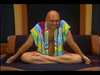
In this clip, "Nähere Dich Mir Von Deinem Herzen" ("Approach Me From Your Heart"), Adi Da speaks to devotees in the Manner Of Flowers (at the Mountain Of Attention), during the "Love of the God-Man" Celebration on March 8, 1984. Adi Da talks about praise speech, ecstasy, and Satsang.
The full talk can can be found on the DVD, Approach Me From the Heart.
Some of the questions Adi Da addresses in the full talk are: What is a Divine experience? Who is God that God could be identified over against anything whatsoever? Who is a Spiritual Master if He can find Himself apart from God, such that He could say: “This piece is Me and this piece is God”? How could such distinctions continue in the consciousness of one who has Realized the Divine?
Tags: German DVD
From a presentation about the Silver Hall at Adi Da Samrajashram. Edited by Alan Corne.
Adi Da recites His "Five Reality-Teachings", as we watch scenes from Adi Da Samrajashram, followed by Darshan of Avatar Adi Da.
Notice this:
1. You are not the one who wakes, or dreams, or sleeps.
2. You Are the actionless and formless Mere Witness of the three common states — of waking, dreaming and sleeping — and of all the apparent contents and “experiences” associated with the three common states, of waking, and of dreaming, and of sleeping.
3. You are not the body, or the doer of action, or the doer of even any of the body’s actions or functions.
4. You are not the mind, or the thinker, or the doer of even any of the actions or functions of mind or of body-mind.
5. No matter what arises — whether as or in the state of waking, or of dreaming, or of sleeping — you Are the actionless, and formless, and thought-free Mere Witness of attention itself, and of every apparent “object” of attention, and of any and every state of “experience”, and of the entirety of whatever and all that arises.
Always intensively “consider” these Five Reality-Teachings.
Always intensively observe and notice every moment of your “experience” — whether waking, dreaming, or sleeping — and, thus and thereby, “consider” and test and directly prove these Five Reality-Teachings in the moment-to-moment of your every kind and state of “experience”.
Avatar Adi Da Samraj, pp. 559-561, The Gnosticon
Tags: Darshan

Adi Da recites His "Five Reality-Teachings", as we watch scenes from Adi Da Samrajashram, followed by Darshan of Avatar Adi Da.
Notice this:
1. You are not the one who wakes, or dreams, or sleeps.
2. You Are the actionless and formless Mere Witness of the three common states — of waking, dreaming and sleeping — and of all the apparent contents and “experiences” associated with the three common states, of waking, and of dreaming, and of sleeping.
3. You are not the body, or the doer of action, or the doer of even any of the body’s actions or functions.
4. You are not the mind, or the thinker, or the doer of even any of the actions or functions of mind or of body-mind.
5. No matter what arises — whether as or in the state of waking, or of dreaming, or of sleeping — you Are the actionless, and formless, and thought-free Mere Witness of attention itself, and of every apparent “object” of attention, and of any and every state of “experience”, and of the entirety of whatever and all that arises.
Always intensively “consider” these Five Reality-Teachings.
Always intensively observe and notice every moment of your “experience” — whether waking, dreaming, or sleeping — and, thus and thereby, “consider” and test and directly prove these Five Reality-Teachings in the moment-to-moment of your every kind and state of “experience”.
Avatar Adi Da Samraj, pp. 559-561, The Gnosticon
Tags: Darshan
This audio excerpt is from a talk given by Adi Da on April 16, 1995, in Hymns To Me, at Adi Da Samrajashram.
Adi Da describes how the preparatory stages of practice of the Reality-Way of Adidam are associated with attention, and how the attachment to attention and all its objects prevents the Realization of Reality As It Is. He goes on to describe the unique advantage that His bodily Incarnation provides in the process of such Realization, for all time, and how the relationship to Him occurs — directly and personally — beyond the life of His human Form.
Tags: CD
Adi Da describes how the preparatory stages of practice of the Reality-Way of Adidam are associated with attention, and how the attachment to attention and all its objects prevents the Realization of Reality As It Is. He goes on to describe the unique advantage that His bodily Incarnation provides in the process of such Realization, for all time, and how the relationship to Him occurs — directly and personally — beyond the life of His human Form.
Tags: CD
In this talk excerpt, Avatar Adi Da speaks about how one must understand the tendency to presume oneself to be a victim, and must transcend all limitation in the process of Real-God-Realization.
ADI DA: You can suffer, or you can love. You can complain, or you can surrender. You can abuse, or you can bless. It is really just that simple. True maturity, God-Realizing maturity, manifests great compassion, great love, great help, endures greatly.
Tags: CD
ADI DA: You can suffer, or you can love. You can complain, or you can surrender. You can abuse, or you can bless. It is really just that simple. True maturity, God-Realizing maturity, manifests great compassion, great love, great help, endures greatly.
Tags: CD
In this excerpt, Adi Da compares the thirsting heart of the devotee truly moved to God-Realization to a cat in heat.
This excerpt is track 6 of the CD, The Impulse to God-Realization, a collection of talks focusing on Adi Da's clarifying Wisdom on the Impulse to Realize God that is inherent in all beings, and His Divine Offering and Instruction on the Ultimate Means to cultivate this heart-Impulse, thereby allowing it to become the guiding force of one's entire life.
The album is available through iTunes and The Dawn Horse Press.
Note: Due to distribution policies set by CDBaby (and beyond the control of this website and Adidam), this video may not be playable in every country. However, sometimes, even when you can't play it on this page, you may be able to play it on YouTube: click here.
Tags: CD
This excerpt is track 6 of the CD, The Impulse to God-Realization, a collection of talks focusing on Adi Da's clarifying Wisdom on the Impulse to Realize God that is inherent in all beings, and His Divine Offering and Instruction on the Ultimate Means to cultivate this heart-Impulse, thereby allowing it to become the guiding force of one's entire life.
The album is available through iTunes and The Dawn Horse Press.
Note: Due to distribution policies set by CDBaby (and beyond the control of this website and Adidam), this video may not be playable in every country. However, sometimes, even when you can't play it on this page, you may be able to play it on YouTube: click here.
Tags: CD
This is a video excerpt from Adi Da's classic talk, "The Bodily Location of Happiness", which He gave on November 28, 1981.
This excerpt is track 2 of the CD, The Impulse to God-Realization, a collection of talks focusing on Adi Da's clarifying Wisdom on the Impulse to Realize God that is inherent in all beings, and His Divine Offering and Instruction on the Ultimate Means to cultivate this heart-Impulse, thereby allowing it to become the guiding force of one's entire life.
Tags: CD DVD
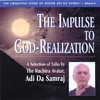
This excerpt is track 2 of the CD, The Impulse to God-Realization, a collection of talks focusing on Adi Da's clarifying Wisdom on the Impulse to Realize God that is inherent in all beings, and His Divine Offering and Instruction on the Ultimate Means to cultivate this heart-Impulse, thereby allowing it to become the guiding force of one's entire life.
Tags: CD DVD
[Contains Polish subtitles. If the CC icon ("Subtitles/closed captions") has a red line under it, the subtitles should appear. If you don't see them, just press the CC icon to turn them on.]
Klasyczny dyskurs Awatara Adi Da z 1981 r. Adi Da rozważa naturę prawdziwego szczęścia i tego, jak nie szukając szczęścia można je realizować w każdej chwili.
"Gdzie umiejscowione jest szczęście?" ("Where is happiness located?") is a video excerpt from Adi Da's classic talk, "The Bodily Location of Happiness", which He gave on November 28, 1981. This talk was originally published in the book, The Bodily Location Of Happiness. The full talk is available on CD.
The talk communicates several core insights:
1. Everybody is intuitively familiar with happiness. You don't have to be a devotee of Adi Da! This was part of the reason Adi Da chose "happiness" as the focus of this Teaching period: because the subject was so accessible. Everyone knows what it's like to be happy (at least a little). It's just that most people are not aware that Perfect, Eternal Happiness is possible and Realizable. (And it certainly isn't, through ordinary human means.) Adi Da: "All beings are always already Happy. You always know, at this very moment you know exactly, what it would be to look and feel and be and act completely Happy." The esoteric reason everyone is familiar with happiness is because everyone is always, already happy. And the esoteric reason everyone yearns for complete happiness is because complete happiness is realizable — and everyone's heart knows that.
2. Adi Da's "Lesson of Life":"You can't become happy; you can only be (already) happy." People are always seeking for happiness. The "pursuit of happiness" (not happiness itself!) is even enshrined as an "unalienable right" (alongside life and liberty) in the preamble of the United States Declaration of Independence. Its author, Thomas Jefferson, knew better than to think a government could guarantee happiness itself — hence only the guarantee of "the pursuit of happiness". Only a Divine Incarnation can guarantee Happiness Itself.
Adi Da reveals that happiness is the native state of beings. It is already the case. Every attempt to seek for it (mis-identifying the source of happiness as some object or other) in fact serves to dissociate one from it. Adi Da: "You think that you can seek Happiness and find it. Your search for Happiness is itself a confession of un-Happiness. You cannot realize Happiness by persisting in un-Happiness, persisting in the method of un-Happiness. All seeking is an expression of un-Happiness, all seeking is the method of un-Happiness, the practice of un-Happiness. This must be understood. It is not merely true — it must be understood."
Self-understanding allows one to get this point. Based on self-understanding, one can devote oneself to Happiness rather than to seeking for It and settling for the little bit of Infinite Happiness that "bleeds through" the clench of ego into conditions. This ultimately enables the Eternal Realization of Infinite, Perfect Happiness. Adi Da: "Understand your un-Happiness. Then you will be capable of locating Happiness, and, having located Happiness, you will be capable of practicing the Way of Adidam, which is nothing but the devotion of life to Happiness."
3. The Transmission of the Divine Guru is How One Locates Happiness. The subtitle of the book, The Bodily Location Of Happiness, is: "On the Incarnation of the Divine Person and the Transmission of Love-Bliss". In other words, you can't apply "The Lesson of Life" by somehow "locating" happiness directly, by yourself (or in yourself). Happiness is our native state, but that doesn't mean it can be located by an egoic, "do it yourself" process. We locate happiness directly as a Grace-given Gift, through devotion to the Transcendental Spiritual Transmission of Adi Da. Adi Da: "Happiness is presently the case. In this moment you are already Happy. Sitting with Me, locate this Happiness." We locate our "Native State" by recognizing and submitting to our "Native Person" — our Very Self appearing here in bodily (human) form.
4. It is a Process of Whole Bodily Location. "The bodily location of Happiness" is not primarily a reference to some place where Happiness resides in the body (although Adi Da teases His listeners with this idea: "Look for it in your toes, in your fingers, in your shirt, in your head"). It refers to a process ("the bodily location of Happiness" = "the locating of Happiness with the whole body-mind") that involves the surrender and transformation of every aspect of the body-mind, immersed in the Perfectly Happy State of the Divine Guru, through recognition of Him as the Divine in every moment. Then the secondary and supportive practices of the Way of Adidam become means for staying immersed in that Divine State in every moment: "Having located Happiness [having recognized Adi Da as the Divine], you will be capable of practicing the Way of Adidam, which is nothing but the devotion of life to Happiness [Adi Da, recognized as the Divine]. The practices of this Way are not methods for attaining Happiness, but they are the expressions of Happiness. The disciplines of money, food, and sex are not a way to become Happy. Discipline is difficult enough — why should we also burden it with the obligation to make us Happy!"
Tags: happiness CD Polish
Klasyczny dyskurs Awatara Adi Da z 1981 r. Adi Da rozważa naturę prawdziwego szczęścia i tego, jak nie szukając szczęścia można je realizować w każdej chwili.
"Gdzie umiejscowione jest szczęście?" ("Where is happiness located?") is a video excerpt from Adi Da's classic talk, "The Bodily Location of Happiness", which He gave on November 28, 1981. This talk was originally published in the book, The Bodily Location Of Happiness. The full talk is available on CD.
The talk communicates several core insights:
1. Everybody is intuitively familiar with happiness. You don't have to be a devotee of Adi Da! This was part of the reason Adi Da chose "happiness" as the focus of this Teaching period: because the subject was so accessible. Everyone knows what it's like to be happy (at least a little). It's just that most people are not aware that Perfect, Eternal Happiness is possible and Realizable. (And it certainly isn't, through ordinary human means.) Adi Da: "All beings are always already Happy. You always know, at this very moment you know exactly, what it would be to look and feel and be and act completely Happy." The esoteric reason everyone is familiar with happiness is because everyone is always, already happy. And the esoteric reason everyone yearns for complete happiness is because complete happiness is realizable — and everyone's heart knows that.
2. Adi Da's "Lesson of Life":"You can't become happy; you can only be (already) happy." People are always seeking for happiness. The "pursuit of happiness" (not happiness itself!) is even enshrined as an "unalienable right" (alongside life and liberty) in the preamble of the United States Declaration of Independence. Its author, Thomas Jefferson, knew better than to think a government could guarantee happiness itself — hence only the guarantee of "the pursuit of happiness". Only a Divine Incarnation can guarantee Happiness Itself.
Adi Da reveals that happiness is the native state of beings. It is already the case. Every attempt to seek for it (mis-identifying the source of happiness as some object or other) in fact serves to dissociate one from it. Adi Da: "You think that you can seek Happiness and find it. Your search for Happiness is itself a confession of un-Happiness. You cannot realize Happiness by persisting in un-Happiness, persisting in the method of un-Happiness. All seeking is an expression of un-Happiness, all seeking is the method of un-Happiness, the practice of un-Happiness. This must be understood. It is not merely true — it must be understood."
Self-understanding allows one to get this point. Based on self-understanding, one can devote oneself to Happiness rather than to seeking for It and settling for the little bit of Infinite Happiness that "bleeds through" the clench of ego into conditions. This ultimately enables the Eternal Realization of Infinite, Perfect Happiness. Adi Da: "Understand your un-Happiness. Then you will be capable of locating Happiness, and, having located Happiness, you will be capable of practicing the Way of Adidam, which is nothing but the devotion of life to Happiness."
3. The Transmission of the Divine Guru is How One Locates Happiness. The subtitle of the book, The Bodily Location Of Happiness, is: "On the Incarnation of the Divine Person and the Transmission of Love-Bliss". In other words, you can't apply "The Lesson of Life" by somehow "locating" happiness directly, by yourself (or in yourself). Happiness is our native state, but that doesn't mean it can be located by an egoic, "do it yourself" process. We locate happiness directly as a Grace-given Gift, through devotion to the Transcendental Spiritual Transmission of Adi Da. Adi Da: "Happiness is presently the case. In this moment you are already Happy. Sitting with Me, locate this Happiness." We locate our "Native State" by recognizing and submitting to our "Native Person" — our Very Self appearing here in bodily (human) form.
4. It is a Process of Whole Bodily Location. "The bodily location of Happiness" is not primarily a reference to some place where Happiness resides in the body (although Adi Da teases His listeners with this idea: "Look for it in your toes, in your fingers, in your shirt, in your head"). It refers to a process ("the bodily location of Happiness" = "the locating of Happiness with the whole body-mind") that involves the surrender and transformation of every aspect of the body-mind, immersed in the Perfectly Happy State of the Divine Guru, through recognition of Him as the Divine in every moment. Then the secondary and supportive practices of the Way of Adidam become means for staying immersed in that Divine State in every moment: "Having located Happiness [having recognized Adi Da as the Divine], you will be capable of practicing the Way of Adidam, which is nothing but the devotion of life to Happiness [Adi Da, recognized as the Divine]. The practices of this Way are not methods for attaining Happiness, but they are the expressions of Happiness. The disciplines of money, food, and sex are not a way to become Happy. Discipline is difficult enough — why should we also burden it with the obligation to make us Happy!"
Tags: happiness CD Polish
Audio/Video Links:


Most Popular Categories:
- Adi Da's Talks (463)
- Devotees' Stories of Adi Da (150)
- Adi Da's Image-Art (68)
- Not-Two Is Peace (54)
- Formal Darshan Occasions (36)
- Adi Da's Poetry (11)
- Tribute to Adi Da's Life and Work (11)
- Avataric Discourses: 2004 - 2005 (196)
- DVDs (198) / CDs (240) from the Dawn Horse Press
- Multi-Part Series (67)