Adi Da Up Close
Audio/Video Library
Our multimedia library currently contains 1,023 YouTube video clips and audio clips about (or related to) Adi Da and Adidam.


Slides from a Darshan occasion of Avatar Adi Da at Adi Da Samrajashram.
The audio recording is an excerpt from a recitation of Adi Da's essay, "Freedom Is The Only Law and Happiness Is The Only Reality". This is the Epilogue from Adi Da's book, The Truly Human New World-Culture of Unbroken Real-God-Man, which was originally written in 2001, and updated on November 13, 2019. The essay is read by a student of Adi Da. In the secular world, words like "freedom" and " love" are given a very limited definition. In this essay, Adi Da expands the true meaning of both of these words.
ADI DA: I Am here to Divinely Liberate all beings.
I Am here to Grant True Freedom to every one.
“Freedom” is one of the principal words associated with the politics of this “late-time”. The general trend toward the democratization of the entire world carries with it an intensified interest in the concept of freedom and in the pursuit of freedom. However, in the context and circumstance of this “late-time”, the word “freedom” is used in such a way that the true import of the word is lost, and its meaning is transformed, and even vulgarized.
The same process of vulgarization has also occurred in the case of other words, such as (for example) the word “love”. The word “love” represents a profound concept and reality, but the word itself tends to be used very casually. People commonly say that they “love” this or that, meaning something quite different from what the word “love” rightly and truly signifies.
“Love” is a word that rightly refers to the universal Sacrifice of ego-“self”. Real love is a matter of transcending “self” (or going beyond your limitations in relation to others)—but, in the “late-time” circumstance of vulgarized culture, the word “love” has come to be used in relation to whatever satisfies your inclinations, or fulfills your desires, or (otherwise) somehow compensates for limitations in your life by pleasing you and (thereby) supporting your egoic disposition. None of that has anything to do with real love.
So it also is with the word “freedom”, and the notion of freedom. The world-culture of this “late-time” is essentially an ego-culture associated with complications in the first three stages of life. It is essentially an adolescent culture. And it is in the context of that culture that great words like “love” and “freedom” become vulgarized. In the adolescent disposition, the word “freedom”, like the word “love”, is reduced to an egoic meaning. People say they want to be “free”, or want to act “freely”, or want to be “free” to do this or that—but what they actually mean is that they want to be able to fulfill their desires without limitation. An adolescent reacting to parental authority or parental expectations regards any such authority or expectations to be oppressive or limiting. Therefore, such adolescents say that they want to be “free” to do whatever they please. And that is, in general, what is meant in this “late-time” by the word “freedom”. Even in the larger political sphere, the word “freedom” is used to express the (personal, and also collective) intent to be able to fulfill desires—and those desires are (necessarily) fundamentally ego-based.
What does the fulfillment of desires have to do with true freedom? Rightly, the word “freedom” is synonymous with the word “liberation”. To “be free”, or to “be liberated”, means to “go beyond bondage”. The opposite of “freedom” is “bondage”. If one is truly moved to be truly free, one is moved to relinquish (and go beyond) bondage. Such is the true Wisdom-understanding of freedom.
Neither true freedom, nor real love, nor any other great concept is rightly understood via the words and concepts of adolescents. There must be human maturity (and, therefore, growth in Wisdom) for the great meanings underlying these concepts to be understood and actually lived.
Be moved toward real love, without limit. Be moved toward real happiness, without limit.
Be moved toward true freedom, without limit. You should (and, ultimately, must) be so moved. But to actually realize love (or real happiness, or true freedom) without limit, you must deal with yourself most profoundly. You cannot merely be reactive, like an adolescent or a worldly person.
If you want to be truly free, you must first understand that you are bound, and you must understand how you are bound, and then you must do something about that. If, on the other hand, you are merely reactively inclined to fulfill desires, and you want to be (so-called) “free” to do so, then you are not examining your bondage—what its roots are, what its signs are, what its characteristics are—and, if you are not examining your bondage with real discriminative intelligence, you are also not doing what you must do in order to be truly free.

The audio recording is an excerpt from a recitation of Adi Da's essay, "Freedom Is The Only Law and Happiness Is The Only Reality". This is the Epilogue from Adi Da's book, The Truly Human New World-Culture of Unbroken Real-God-Man, which was originally written in 2001, and updated on November 13, 2019. The essay is read by a student of Adi Da. In the secular world, words like "freedom" and " love" are given a very limited definition. In this essay, Adi Da expands the true meaning of both of these words.
ADI DA: I Am here to Divinely Liberate all beings.
I Am here to Grant True Freedom to every one.
“Freedom” is one of the principal words associated with the politics of this “late-time”. The general trend toward the democratization of the entire world carries with it an intensified interest in the concept of freedom and in the pursuit of freedom. However, in the context and circumstance of this “late-time”, the word “freedom” is used in such a way that the true import of the word is lost, and its meaning is transformed, and even vulgarized.
The same process of vulgarization has also occurred in the case of other words, such as (for example) the word “love”. The word “love” represents a profound concept and reality, but the word itself tends to be used very casually. People commonly say that they “love” this or that, meaning something quite different from what the word “love” rightly and truly signifies.
“Love” is a word that rightly refers to the universal Sacrifice of ego-“self”. Real love is a matter of transcending “self” (or going beyond your limitations in relation to others)—but, in the “late-time” circumstance of vulgarized culture, the word “love” has come to be used in relation to whatever satisfies your inclinations, or fulfills your desires, or (otherwise) somehow compensates for limitations in your life by pleasing you and (thereby) supporting your egoic disposition. None of that has anything to do with real love.
So it also is with the word “freedom”, and the notion of freedom. The world-culture of this “late-time” is essentially an ego-culture associated with complications in the first three stages of life. It is essentially an adolescent culture. And it is in the context of that culture that great words like “love” and “freedom” become vulgarized. In the adolescent disposition, the word “freedom”, like the word “love”, is reduced to an egoic meaning. People say they want to be “free”, or want to act “freely”, or want to be “free” to do this or that—but what they actually mean is that they want to be able to fulfill their desires without limitation. An adolescent reacting to parental authority or parental expectations regards any such authority or expectations to be oppressive or limiting. Therefore, such adolescents say that they want to be “free” to do whatever they please. And that is, in general, what is meant in this “late-time” by the word “freedom”. Even in the larger political sphere, the word “freedom” is used to express the (personal, and also collective) intent to be able to fulfill desires—and those desires are (necessarily) fundamentally ego-based.
What does the fulfillment of desires have to do with true freedom? Rightly, the word “freedom” is synonymous with the word “liberation”. To “be free”, or to “be liberated”, means to “go beyond bondage”. The opposite of “freedom” is “bondage”. If one is truly moved to be truly free, one is moved to relinquish (and go beyond) bondage. Such is the true Wisdom-understanding of freedom.
Neither true freedom, nor real love, nor any other great concept is rightly understood via the words and concepts of adolescents. There must be human maturity (and, therefore, growth in Wisdom) for the great meanings underlying these concepts to be understood and actually lived.
Be moved toward real love, without limit. Be moved toward real happiness, without limit.
Be moved toward true freedom, without limit. You should (and, ultimately, must) be so moved. But to actually realize love (or real happiness, or true freedom) without limit, you must deal with yourself most profoundly. You cannot merely be reactive, like an adolescent or a worldly person.
If you want to be truly free, you must first understand that you are bound, and you must understand how you are bound, and then you must do something about that. If, on the other hand, you are merely reactively inclined to fulfill desires, and you want to be (so-called) “free” to do so, then you are not examining your bondage—what its roots are, what its signs are, what its characteristics are—and, if you are not examining your bondage with real discriminative intelligence, you are also not doing what you must do in order to be truly free.
[Contains Polish subtitles. If the CC icon ("Subtitles/closed captions") has a red line under it, the subtitles should appear. If you don't see them, just press the CC icon to turn them on.]
To nagranie jest fragmentem eseju "Prawdziwie ludzka kultura nowego świata" (2001; aktualizacja 13 listopada 2019 r.). Tekst jest czytany przez studenta Adi Da Samraj. Jestem tu, by wyzwolić wszystkie istoty.
Darshan occasion of Avatar Adi Da at Adi Da Samrajashram.
The audio recording is an excerpt from a recitation of Adi Da's essay, "Freedom Is The Only Law and Happiness Is The Only Reality". This is the Epilogue from Adi Da's book, The Truly Human New World-Culture of Unbroken Real-God-Man, which was originally written in 2001, and updated on November 13, 2019. The essay is read by a student of Adi Da.
ADI DA: Jestem tu, by wyzwolić wszystkie istoty.
Jestem tu po to, by każdemu dać prawdziwą wolność.
"Wolność" jest jednym z głównych słów związanych z polityką tego "późnych czasów". Ogólny trend demokratyzacji całego świata niesie ze sobą wzmożone zainteresowanie koncepcją wolności i dążeniem do wolności. Jednak w kontekście i uwarunkowaniach tego "późnego czasu" słowo "wolność" jest używane w taki sposób, że prawdziwe znaczenie tego słowa zostaje utracone, a jego znaczenie zmienione, a nawet wulgaryzowane.
Ten sam proces wulgaryzowania ma miejsce również w przypadku innych słów, takich jak (na przykład) słowo "miłość". Słowo "miłość" reprezentuje głęboką ideę w realiach życia, ale samo słowo jest używane bardzo swobodnie. Ludzie często mówią, że "kochają" to czy tamto, mając na myśli coś zupełnie innego niż właściwie znaczenie słowa "miłość".
"Miłość" to słowo, które słusznie sugeruje powszechne poświęcenie ego-"ja". Prawdziwa miłość jest kwestią transcendencji "ja" (lub wykraczania poza twoje ograniczenia w stosunku do innych) - ale w realiach wulgaryzowanej kultury "późnych czasów" słowo "miłość" zaczęło być używane w odniesieniu do tego, co zaspokaja twoje skłonności, spełnia twoje pragnienia, albo w jakiś sposób rekompensuje ograniczenia w twoim życiu, zadowalając cię i (tym samym) wspierając twoje egoistyczne usposobienie. To nie ma nic wspólnego z prawdziwą miłością.
Tak samo jest ze słowem "wolność" i pojęciem wolności. Kultura światowa tych "późnych czasów" jest zasadniczo kulturą egoistyczną związaną z komplikacjami w pierwszych trzech etapach życia. Jest to kultura nastolatków. I to właśnie w kontekście tej kultury wielkie słowa takie jak "miłość" i "wolność" są wulgaryzowane. W usposobieniu nastolatków słowo "wolność", podobnie jak słowo "miłość", sprowadza się do znaczenia egoistycznego. Ludzie mówią, że chcą być "wolni", chcą mieć "swobodę" działamia, lub chcą być "wolni" do robienia tego czy owego, ale właściwie chodzi im o to, że chcą być w stanie spełniać swoje pragnienia bez ograniczeń. Młodzież reagująca na opiekę rodzicielską lub oczekiwania rodziców uważa, że każdy taki autorytet lub oczekiwania mają charakter represyjny lub ograniczający. Dlatego tacy nastolatkowie mówią, że chcą być "wolni" aby robić to, co im się podoba. I ogólnie rzecz biorąc, w tym "późnym czasie" takie jest znaczenie słowa "wolność". Nawet w szerszej sferze politycznej słowo "wolność" jest używane do wyrażenia (osobistego, a także zbiorowego) zamiaru, aby możliwości spełniania pragnień, a pragnienia te (z konieczności) są zasadniczo egoistyczne.
ADI DA: I Am here to Divinely Liberate all beings.
I Am here to Grant True Freedom to every one.
“Freedom” is one of the principal words associated with the politics of this “late-time”. The general trend toward the democratization of the entire world carries with it an intensified interest in the concept of freedom and in the pursuit of freedom. However, in the context and circumstance of this “late-time”, the word “freedom” is used in such a way that the true import of the word is lost, and its meaning is transformed, and even vulgarized.
The same process of vulgarization has also occurred in the case of other words, such as (for example) the word “love”. The word “love” represents a profound concept and reality, but the word itself tends to be used very casually. People commonly say that they “love” this or that, meaning something quite different from what the word “love” rightly and truly signifies.
“Love” is a word that rightly refers to the universal Sacrifice of ego-“self”. Real love is a matter of transcending “self” (or going beyond your limitations in relation to others)—but, in the “late-time” circumstance of vulgarized culture, the word “love” has come to be used in relation to whatever satisfies your inclinations, or fulfills your desires, or (otherwise) somehow compensates for limitations in your life by pleasing you and (thereby) supporting your egoic disposition. None of that has anything to do with real love.
So it also is with the word “freedom”, and the notion of freedom. The world-culture of this “late-time” is essentially an ego-culture associated with complications in the first three stages of life. It is essentially an adolescent culture. And it is in the context of that culture that great words like “love” and “freedom” become vulgarized. In the adolescent disposition, the word “freedom”, like the word “love”, is reduced to an egoic meaning. People say they want to be “free”, or want to act “freely”, or want to be “free” to do this or that—but what they actually mean is that they want to be able to fulfill their desires without limitation. An adolescent reacting to parental authority or parental expectations regards any such authority or expectations to be oppressive or limiting. Therefore, such adolescents say that they want to be “free” to do whatever they please. And that is, in general, what is meant in this “late-time” by the word “freedom”. Even in the larger political sphere, the word “freedom” is used to express the (personal, and also collective) intent to be able to fulfill desires—and those desires are (necessarily) fundamentally ego-based.
What does the fulfillment of desires have to do with true freedom? Rightly, the word “freedom” is synonymous with the word “liberation”. To “be free”, or to “be liberated”, means to “go beyond bondage”. The opposite of “freedom” is “bondage”. If one is truly moved to be truly free, one is moved to relinquish (and go beyond) bondage. Such is the true Wisdom-understanding of freedom.
Neither true freedom, nor real love, nor any other great concept is rightly understood via the words and concepts of adolescents. There must be human maturity (and, therefore, growth in Wisdom) for the great meanings underlying these concepts to be understood and actually lived.
Be moved toward real love, without limit. Be moved toward real happiness, without limit.
Be moved toward true freedom, without limit. You should (and, ultimately, must) be so moved. But to actually realize love (or real happiness, or true freedom) without limit, you must deal with yourself most profoundly. You cannot merely be reactive, like an adolescent or a worldly person.
If you want to be truly free, you must first understand that you are bound, and you must understand how you are bound, and then you must do something about that. If, on the other hand, you are merely reactively inclined to fulfill desires, and you want to be (so-called) “free” to do so, then you are not examining your bondage—what its roots are, what its signs are, what its characteristics are—and, if you are not examining your bondage with real discriminative intelligence, you are also not doing what you must do in order to be truly free.
Tags: Polish

To nagranie jest fragmentem eseju "Prawdziwie ludzka kultura nowego świata" (2001; aktualizacja 13 listopada 2019 r.). Tekst jest czytany przez studenta Adi Da Samraj. Jestem tu, by wyzwolić wszystkie istoty.
Darshan occasion of Avatar Adi Da at Adi Da Samrajashram.
The audio recording is an excerpt from a recitation of Adi Da's essay, "Freedom Is The Only Law and Happiness Is The Only Reality". This is the Epilogue from Adi Da's book, The Truly Human New World-Culture of Unbroken Real-God-Man, which was originally written in 2001, and updated on November 13, 2019. The essay is read by a student of Adi Da.
ADI DA: Jestem tu, by wyzwolić wszystkie istoty.
Jestem tu po to, by każdemu dać prawdziwą wolność.
"Wolność" jest jednym z głównych słów związanych z polityką tego "późnych czasów". Ogólny trend demokratyzacji całego świata niesie ze sobą wzmożone zainteresowanie koncepcją wolności i dążeniem do wolności. Jednak w kontekście i uwarunkowaniach tego "późnego czasu" słowo "wolność" jest używane w taki sposób, że prawdziwe znaczenie tego słowa zostaje utracone, a jego znaczenie zmienione, a nawet wulgaryzowane.
Ten sam proces wulgaryzowania ma miejsce również w przypadku innych słów, takich jak (na przykład) słowo "miłość". Słowo "miłość" reprezentuje głęboką ideę w realiach życia, ale samo słowo jest używane bardzo swobodnie. Ludzie często mówią, że "kochają" to czy tamto, mając na myśli coś zupełnie innego niż właściwie znaczenie słowa "miłość".
"Miłość" to słowo, które słusznie sugeruje powszechne poświęcenie ego-"ja". Prawdziwa miłość jest kwestią transcendencji "ja" (lub wykraczania poza twoje ograniczenia w stosunku do innych) - ale w realiach wulgaryzowanej kultury "późnych czasów" słowo "miłość" zaczęło być używane w odniesieniu do tego, co zaspokaja twoje skłonności, spełnia twoje pragnienia, albo w jakiś sposób rekompensuje ograniczenia w twoim życiu, zadowalając cię i (tym samym) wspierając twoje egoistyczne usposobienie. To nie ma nic wspólnego z prawdziwą miłością.
Tak samo jest ze słowem "wolność" i pojęciem wolności. Kultura światowa tych "późnych czasów" jest zasadniczo kulturą egoistyczną związaną z komplikacjami w pierwszych trzech etapach życia. Jest to kultura nastolatków. I to właśnie w kontekście tej kultury wielkie słowa takie jak "miłość" i "wolność" są wulgaryzowane. W usposobieniu nastolatków słowo "wolność", podobnie jak słowo "miłość", sprowadza się do znaczenia egoistycznego. Ludzie mówią, że chcą być "wolni", chcą mieć "swobodę" działamia, lub chcą być "wolni" do robienia tego czy owego, ale właściwie chodzi im o to, że chcą być w stanie spełniać swoje pragnienia bez ograniczeń. Młodzież reagująca na opiekę rodzicielską lub oczekiwania rodziców uważa, że każdy taki autorytet lub oczekiwania mają charakter represyjny lub ograniczający. Dlatego tacy nastolatkowie mówią, że chcą być "wolni" aby robić to, co im się podoba. I ogólnie rzecz biorąc, w tym "późnym czasie" takie jest znaczenie słowa "wolność". Nawet w szerszej sferze politycznej słowo "wolność" jest używane do wyrażenia (osobistego, a także zbiorowego) zamiaru, aby możliwości spełniania pragnień, a pragnienia te (z konieczności) są zasadniczo egoistyczne.
ADI DA: I Am here to Divinely Liberate all beings.
I Am here to Grant True Freedom to every one.
“Freedom” is one of the principal words associated with the politics of this “late-time”. The general trend toward the democratization of the entire world carries with it an intensified interest in the concept of freedom and in the pursuit of freedom. However, in the context and circumstance of this “late-time”, the word “freedom” is used in such a way that the true import of the word is lost, and its meaning is transformed, and even vulgarized.
The same process of vulgarization has also occurred in the case of other words, such as (for example) the word “love”. The word “love” represents a profound concept and reality, but the word itself tends to be used very casually. People commonly say that they “love” this or that, meaning something quite different from what the word “love” rightly and truly signifies.
“Love” is a word that rightly refers to the universal Sacrifice of ego-“self”. Real love is a matter of transcending “self” (or going beyond your limitations in relation to others)—but, in the “late-time” circumstance of vulgarized culture, the word “love” has come to be used in relation to whatever satisfies your inclinations, or fulfills your desires, or (otherwise) somehow compensates for limitations in your life by pleasing you and (thereby) supporting your egoic disposition. None of that has anything to do with real love.
So it also is with the word “freedom”, and the notion of freedom. The world-culture of this “late-time” is essentially an ego-culture associated with complications in the first three stages of life. It is essentially an adolescent culture. And it is in the context of that culture that great words like “love” and “freedom” become vulgarized. In the adolescent disposition, the word “freedom”, like the word “love”, is reduced to an egoic meaning. People say they want to be “free”, or want to act “freely”, or want to be “free” to do this or that—but what they actually mean is that they want to be able to fulfill their desires without limitation. An adolescent reacting to parental authority or parental expectations regards any such authority or expectations to be oppressive or limiting. Therefore, such adolescents say that they want to be “free” to do whatever they please. And that is, in general, what is meant in this “late-time” by the word “freedom”. Even in the larger political sphere, the word “freedom” is used to express the (personal, and also collective) intent to be able to fulfill desires—and those desires are (necessarily) fundamentally ego-based.
What does the fulfillment of desires have to do with true freedom? Rightly, the word “freedom” is synonymous with the word “liberation”. To “be free”, or to “be liberated”, means to “go beyond bondage”. The opposite of “freedom” is “bondage”. If one is truly moved to be truly free, one is moved to relinquish (and go beyond) bondage. Such is the true Wisdom-understanding of freedom.
Neither true freedom, nor real love, nor any other great concept is rightly understood via the words and concepts of adolescents. There must be human maturity (and, therefore, growth in Wisdom) for the great meanings underlying these concepts to be understood and actually lived.
Be moved toward real love, without limit. Be moved toward real happiness, without limit.
Be moved toward true freedom, without limit. You should (and, ultimately, must) be so moved. But to actually realize love (or real happiness, or true freedom) without limit, you must deal with yourself most profoundly. You cannot merely be reactive, like an adolescent or a worldly person.
If you want to be truly free, you must first understand that you are bound, and you must understand how you are bound, and then you must do something about that. If, on the other hand, you are merely reactively inclined to fulfill desires, and you want to be (so-called) “free” to do so, then you are not examining your bondage—what its roots are, what its signs are, what its characteristics are—and, if you are not examining your bondage with real discriminative intelligence, you are also not doing what you must do in order to be truly free.
Tags: Polish
[Contains Polish subtitles. If the CC icon ("Subtitles/closed captions") has a red line under it, the subtitles should appear. If you don't see them, just press the CC icon to turn them on.]
W tym fragmencie nigdy wcześniej nie opublikowanego dyskursu Adi Da mówi o konieczności rozczarowania się śmiertelnym życiem w pozytywnym sensie. Pozytywne rozczarowanie pojawia się, gdy zaczynasz rozumieć i rezygnować ze stresujących i ostatecznie daremnych poszukiwań osobistego przetrwania, ziemskiego szczęścia i ostatecznego spełnienia życiowego.
"Pozytywne rozczarowanie" ("Positive disillusionment") is an excerpt from an Avataric Discourse. In it, Adi Da speaks about the necessity to become disillusioned with mortal life in a positive sense. Positive disillusionment is emerging when one begins to understand and relinquish the stressful and ultimately futile search for personal survival, worldly happiness, and ultimate life fulfillment. Only then can one be drawn into recognizing, learning about, and ecstatically participating in Reality Itself, in relationship to a True Realizer.
Tags: Polish Avataric Discourse

W tym fragmencie nigdy wcześniej nie opublikowanego dyskursu Adi Da mówi o konieczności rozczarowania się śmiertelnym życiem w pozytywnym sensie. Pozytywne rozczarowanie pojawia się, gdy zaczynasz rozumieć i rezygnować ze stresujących i ostatecznie daremnych poszukiwań osobistego przetrwania, ziemskiego szczęścia i ostatecznego spełnienia życiowego.
"Pozytywne rozczarowanie" ("Positive disillusionment") is an excerpt from an Avataric Discourse. In it, Adi Da speaks about the necessity to become disillusioned with mortal life in a positive sense. Positive disillusionment is emerging when one begins to understand and relinquish the stressful and ultimately futile search for personal survival, worldly happiness, and ultimate life fulfillment. Only then can one be drawn into recognizing, learning about, and ecstatically participating in Reality Itself, in relationship to a True Realizer.
Tags: Polish Avataric Discourse
[Contains Finnish subtitles. If the CC icon ("Subtitles/closed captions") has a red line under it, the subtitles should appear. If you don't see them, just press the CC icon to turn them on.]
Tässä aiemmin julkaisemattomassa keskustelussa Adi Da puhuu positiivisesta harhojen haihtumisesta ja sen tarpeellisuudesta kuolevaisen elämän parissa. Positiivinen harhojen haihtuminen ilmenee, kun yksilö alkaa ymmärtää rasittavaa ja lopulta turhaa etsintäänsä, jossa hän hakee jatkoa elämälleen, maailmallista onnea, ja lopullista elämän täyttymystä — ja alkaa myös luopua siitä. Vain silloin yksilö voi alkaa huomioimaan, oppimaan, ja ekstaattisesti osallistumaan Itse Todellisuuteen, suhteessa Aitoon Toteuttajaan.
In this excerpt from an Avataric Discourse, Adi Da speaks about the necessity to become disillusioned with mortal life in a positive sense. Positive disillusionment is emerging when one begins to understand and relinquish the stressful and ultimately futile search for personal survival, worldly happiness, and ultimate life fulfillment. Only then can one be drawn into recognizing, learning about, and ecstatically participating in Reality Itself, in relationship to a True Realizer.
ADI DA: The teaching of Truth is for those who are disillusioned in the positive sense, who have been sobered in their lives by grasping the nature of existence and being cured of search.
Tags: Avataric Discourse Finnish

Tässä aiemmin julkaisemattomassa keskustelussa Adi Da puhuu positiivisesta harhojen haihtumisesta ja sen tarpeellisuudesta kuolevaisen elämän parissa. Positiivinen harhojen haihtuminen ilmenee, kun yksilö alkaa ymmärtää rasittavaa ja lopulta turhaa etsintäänsä, jossa hän hakee jatkoa elämälleen, maailmallista onnea, ja lopullista elämän täyttymystä — ja alkaa myös luopua siitä. Vain silloin yksilö voi alkaa huomioimaan, oppimaan, ja ekstaattisesti osallistumaan Itse Todellisuuteen, suhteessa Aitoon Toteuttajaan.
In this excerpt from an Avataric Discourse, Adi Da speaks about the necessity to become disillusioned with mortal life in a positive sense. Positive disillusionment is emerging when one begins to understand and relinquish the stressful and ultimately futile search for personal survival, worldly happiness, and ultimate life fulfillment. Only then can one be drawn into recognizing, learning about, and ecstatically participating in Reality Itself, in relationship to a True Realizer.
ADI DA: The teaching of Truth is for those who are disillusioned in the positive sense, who have been sobered in their lives by grasping the nature of existence and being cured of search.
Tags: Avataric Discourse Finnish
[Contains Italian subtitles. If the CC icon ("Subtitles/closed captions") has a red line under it, the subtitles should appear. If you don't see them, just press the CC icon to turn them on.]
"Il sé Separato č un'illusione" ("The separate self 'I' is an Illusion") is a video excerpt from an Avataric Discourse given by Adi Da on July 7, 2005 in Land Bridge Pavilion at The Mountain Of Attention.
Adi Da Samraj speaks about the action of self-contraction, which creates the sense of being a "separate self" - whereas, in Reality, no matter what arises, you are only and merely the Witness Consciousness.
This talk is from the first occasion in many years in which Avatar Adi Da spoke directly to a gathering of His devotees in California. Questions from devotees about intimate, familial, and social issues are met with Avatar Adi Da's Compassion and Humor, as well as His Liberating Wisdom.
The complete Avataric Discourse is available on the DVD, Relinquish the Mummery of This World.
Tags: Avataric Discourse Italian DVD

"Il sé Separato č un'illusione" ("The separate self 'I' is an Illusion") is a video excerpt from an Avataric Discourse given by Adi Da on July 7, 2005 in Land Bridge Pavilion at The Mountain Of Attention.
Adi Da Samraj speaks about the action of self-contraction, which creates the sense of being a "separate self" - whereas, in Reality, no matter what arises, you are only and merely the Witness Consciousness.
This talk is from the first occasion in many years in which Avatar Adi Da spoke directly to a gathering of His devotees in California. Questions from devotees about intimate, familial, and social issues are met with Avatar Adi Da's Compassion and Humor, as well as His Liberating Wisdom.
The complete Avataric Discourse is available on the DVD, Relinquish the Mummery of This World.
Tags: Avataric Discourse Italian DVD
[Contains Polish subtitles. If the CC icon ("Subtitles/closed captions") has a red line under it, the subtitles should appear. If you don't see them, just press the CC icon to turn them on.]
ADI DA: „Ludzka rozpacz i straty są dla mnie wstrząsające i straszne, to ogromny ciężar. Nieuchronnie współczuję i błogosławię ludzi w ich kłopotach. Musisz jednak zrozumieć, że taki jest charakter tego miejsca. To nie jest Utopia. To nie raj. To miejsce śmierci, zakończeń, cierpienia, ulotnych rozrywek, to zbyt mało. Ale jedynie reagować przez lata na twoje problemy i próbować z tego zbudować twoje życie to bezowocny wysiłek. Musisz wznieść się ponad reagowanie na chwile cierpienia i straty bo twoja kolej nadchodzi. Pewnego dnia to będzie twoja śmierć. Wszyscy przeminą. Wszystko przepadnie. Wszystko się straci. Wszystko się zmieni. Każda możliwa separacja nastąpi. Musisz poznać to miejsce, w którym się znalazłeś i żyć zgodnie z tą wiedzą. A nie godzić się z przyjmowanym fałszywym obrazem bytu czy świata, i próbować idealizować jakiś aspekt potencjalnego doświadczenia, które sprowadza się do uzależnień i powtórzeń tego samego. A wszystko po to, aby uniknąć wiedzy o życiu i o całym piekle, które nadciąga nad Ziemię i jest tutaj, w tych strasznych, ciemnych, czasach niewiedzy, w tych złych, morderczych czasach. Bez względu na to, co tutaj jest twórcze, szlachetne czy interesujące musisz poważnie traktować rzeczywistość warunkowej egzystencji i zrozumieć, że nie spełnisz się tutaj”.
Adi Da następnie mówi o tym, że to zrozumienie w naturalny sposób doprowadzi osobę do wyrzeczenia się poszukiwania spełnienia na tym świecie i do otwarcia się na Prawdę i Rzeczywistości, które On i Jego Nauczanie oraz inne Dary Wyzwolenia oferują.
"To miejsce to nie Utopia" ("This Place Is Not a Utopia") is an excerpt from an Avataric Discourse given by Adi Da Samraj on October 6, 2005, at the Mountain Of Attention Sanctuary.
ADI DA: "I find people's sorrows and losses to be heartbreaking and terrible and an immense burden and I am sympathetic and bless people in their trouble. However you must understand that is the nature of this place. This is not utopia, it is not paradise. It is a place of death, endings, suffering, brief amusements. It is not enough and merely to react to your difficulties for overlong and try to make an entire life out of it is fruitless. You do have to move on beyond that reaction to any moments suffering and loss. You must know the place you’re in and live in accordance with that knowledge instead of being sympathetic with some false view of the world or self or trying to idealize some aspect of potential experience, indulging in what amounts to addictions, repetitions of experiences, in order to avoid the knowledge of what is inherent in life, as well as all the hell that is coming on earth and is here. You will not be fulfilled.”
Tags: Polish

ADI DA: „Ludzka rozpacz i straty są dla mnie wstrząsające i straszne, to ogromny ciężar. Nieuchronnie współczuję i błogosławię ludzi w ich kłopotach. Musisz jednak zrozumieć, że taki jest charakter tego miejsca. To nie jest Utopia. To nie raj. To miejsce śmierci, zakończeń, cierpienia, ulotnych rozrywek, to zbyt mało. Ale jedynie reagować przez lata na twoje problemy i próbować z tego zbudować twoje życie to bezowocny wysiłek. Musisz wznieść się ponad reagowanie na chwile cierpienia i straty bo twoja kolej nadchodzi. Pewnego dnia to będzie twoja śmierć. Wszyscy przeminą. Wszystko przepadnie. Wszystko się straci. Wszystko się zmieni. Każda możliwa separacja nastąpi. Musisz poznać to miejsce, w którym się znalazłeś i żyć zgodnie z tą wiedzą. A nie godzić się z przyjmowanym fałszywym obrazem bytu czy świata, i próbować idealizować jakiś aspekt potencjalnego doświadczenia, które sprowadza się do uzależnień i powtórzeń tego samego. A wszystko po to, aby uniknąć wiedzy o życiu i o całym piekle, które nadciąga nad Ziemię i jest tutaj, w tych strasznych, ciemnych, czasach niewiedzy, w tych złych, morderczych czasach. Bez względu na to, co tutaj jest twórcze, szlachetne czy interesujące musisz poważnie traktować rzeczywistość warunkowej egzystencji i zrozumieć, że nie spełnisz się tutaj”.
Adi Da następnie mówi o tym, że to zrozumienie w naturalny sposób doprowadzi osobę do wyrzeczenia się poszukiwania spełnienia na tym świecie i do otwarcia się na Prawdę i Rzeczywistości, które On i Jego Nauczanie oraz inne Dary Wyzwolenia oferują.
"To miejsce to nie Utopia" ("This Place Is Not a Utopia") is an excerpt from an Avataric Discourse given by Adi Da Samraj on October 6, 2005, at the Mountain Of Attention Sanctuary.
ADI DA: "I find people's sorrows and losses to be heartbreaking and terrible and an immense burden and I am sympathetic and bless people in their trouble. However you must understand that is the nature of this place. This is not utopia, it is not paradise. It is a place of death, endings, suffering, brief amusements. It is not enough and merely to react to your difficulties for overlong and try to make an entire life out of it is fruitless. You do have to move on beyond that reaction to any moments suffering and loss. You must know the place you’re in and live in accordance with that knowledge instead of being sympathetic with some false view of the world or self or trying to idealize some aspect of potential experience, indulging in what amounts to addictions, repetitions of experiences, in order to avoid the knowledge of what is inherent in life, as well as all the hell that is coming on earth and is here. You will not be fulfilled.”
Tags: Polish
Alexis talks about her "Where Is Happiness?" Retreat at the Man Of Radical Understanding Retreat Center (behind her) at the Mountain Of Attention Sanctuary in Northern California.
Everybody wants to be happy, but how do you actually "do" happiness? Please join us to find out more about true happiness in the free two day retreats that we offer in many locations around the world.
The retreats are based on, and inspired by, the Wisdom of Adi Da Samraj. They include guided meditations, yoga lessons, video presentations, group considerations, personal stories, contemplative walks, and delicious vegetarian meals.
The retreats are hosted by a team of experienced and long time practitioners of Avatar Adi Da’s Teachings who guide the retreat program in an inspiring fashion.
The complete weekend program (including workbook and materials) is offered for free. You only pay a contribution for food, drinks and your possible lodging during the weekend. Costs can differ depending on the location.
For more about these free weekend-long retreats, click here.
The next retreat dates at the Mountain Of Attention are: March 2-3, 2019; and May 18-19, 2019.
Tags: retreat

Everybody wants to be happy, but how do you actually "do" happiness? Please join us to find out more about true happiness in the free two day retreats that we offer in many locations around the world.
The retreats are based on, and inspired by, the Wisdom of Adi Da Samraj. They include guided meditations, yoga lessons, video presentations, group considerations, personal stories, contemplative walks, and delicious vegetarian meals.
The retreats are hosted by a team of experienced and long time practitioners of Avatar Adi Da’s Teachings who guide the retreat program in an inspiring fashion.
The complete weekend program (including workbook and materials) is offered for free. You only pay a contribution for food, drinks and your possible lodging during the weekend. Costs can differ depending on the location.
For more about these free weekend-long retreats, click here.
The next retreat dates at the Mountain Of Attention are: March 2-3, 2019; and May 18-19, 2019.
Tags: retreat
Video excerpt from an early discourse by Adi Da Samraj on July 29, 1973.
This video clip is an excerpt from the DVD, The Relationship To The Guru Is The Constant In Life.
Adi Da would later make a similar communication in a very memorable way in “The Divine Avataric Self-Disclosure” (in The Aletheon):
ADI DA: The conditionally Apparent “world”-Process Of “Everything Changing” Is Simply The Natural “Play” Of Cosmic Life, In Which the (Always) two sides of every possibility come and go, In Cycles Of appearance and disappearance. Winter’s cold alternates with summer’s heat. Pain, Likewise, Follows every pleasure. Every appearance Is (Inevitably) Followed By its disappearance. There Is No Permanent “experience” In The Realm Of Cosmic Nature. One whose Whole bodily Devotion To Me Is Constant Simply Allows All Of This To Be So. Therefore, one who Truly Listens To Me and “Knows” Me Spontaneously Ceases To Add “self”-Contraction (and, Thus, “conditional-experience-causing” energy and intention) To This Relentless Round Of Natural and Futile Changes. . . Intrinsically egoless Self-Realization Of Me Is Possible Only When a living being (or body-mind-“self”) Has Whole bodily Ceased To React To The Always Changing Imposition Of Cosmic Nature. . . Those who Perfectly “Know” Me Tacitly Understand That whatever Is Not Always Already (or Eternally) Self-Existing and Self-Radiant Only Changes. . . Those who Perfectly “Know” Me Acknowledge (Tacitly, and With every Whole bodily act) That What Is Always Already The (One and Only) Case Never Changes. Such True Devotees Of Mine (who Perfectly “Know” Me) Perfectly Realize That The Entire Cosmic Realm Of Change—and Even the To-Me-Surrendered Whole body (itself)—Is Entirely Pervaded By Me (Always Self-Revealed As That Which Is Always Already The Case).
For more about Adi Da’s principle that what is not used becomes obsolete, read His Essay, “Right Principle and Right Self-Management: The Secrets of How To Change”, in The Aletheon.

This video clip is an excerpt from the DVD, The Relationship To The Guru Is The Constant In Life.
Adi Da would later make a similar communication in a very memorable way in “The Divine Avataric Self-Disclosure” (in The Aletheon):
ADI DA: The conditionally Apparent “world”-Process Of “Everything Changing” Is Simply The Natural “Play” Of Cosmic Life, In Which the (Always) two sides of every possibility come and go, In Cycles Of appearance and disappearance. Winter’s cold alternates with summer’s heat. Pain, Likewise, Follows every pleasure. Every appearance Is (Inevitably) Followed By its disappearance. There Is No Permanent “experience” In The Realm Of Cosmic Nature. One whose Whole bodily Devotion To Me Is Constant Simply Allows All Of This To Be So. Therefore, one who Truly Listens To Me and “Knows” Me Spontaneously Ceases To Add “self”-Contraction (and, Thus, “conditional-experience-causing” energy and intention) To This Relentless Round Of Natural and Futile Changes. . . Intrinsically egoless Self-Realization Of Me Is Possible Only When a living being (or body-mind-“self”) Has Whole bodily Ceased To React To The Always Changing Imposition Of Cosmic Nature. . . Those who Perfectly “Know” Me Tacitly Understand That whatever Is Not Always Already (or Eternally) Self-Existing and Self-Radiant Only Changes. . . Those who Perfectly “Know” Me Acknowledge (Tacitly, and With every Whole bodily act) That What Is Always Already The (One and Only) Case Never Changes. Such True Devotees Of Mine (who Perfectly “Know” Me) Perfectly Realize That The Entire Cosmic Realm Of Change—and Even the To-Me-Surrendered Whole body (itself)—Is Entirely Pervaded By Me (Always Self-Revealed As That Which Is Always Already The Case).
For more about Adi Da’s principle that what is not used becomes obsolete, read His Essay, “Right Principle and Right Self-Management: The Secrets of How To Change”, in The Aletheon.
On Christmas Eve, 1978, dressed in holiday red ("I just happened to pick this out for tonight"), Adi Da Samraj gathered with devotees in Land Bridge Pavilion at the Mountain Of Attention Sanctuary, and gave what became known as "the Christmas Talk". (This video clip is an excerpt from that talk.) He discussed devotees' childhood religious beliefs about Jesus and sang, with devotees, holiday songs and carols from the various religious traditions represented by devotees from around the world.
Tags: Danavira Mela

Tags: Danavira Mela
This talk about cultism was given on December 16, 1979, three weeks after the Jonestown Massacre. Adi Da mentions how He has always criticized all forms of cultism, including "the cult of the spiritual master", which devotees have created around Him repeatedly. In the "cult of the spiritual master", members of the cult make Him the center of a club in which everyone feels good because they're members of the club and they've "found it", unlike the rest of the world. But devotees who turn Adidam into a cult fail to actually practice and Realize anything; they get sidetracked from actual practice by the "feel good" energy they create in each other's company. Adi Da is here not to be the center of a cult, but for us to Realize Him.
[Contains Polish subtitles. If the CC icon ("Subtitles/closed captions") has a red line under it, the subtitles should appear. If you don't see them, just press the CC icon to turn them on.]
Piosenkarka i autorka tekstów Jacqueline Clemons śpiewa "The Universal World-Prayer", modlitwę o pokój napisaną przez Adi Da Samraj. Muzyka Nicka Milo i Jacqueline Clemons.
Composed by Jacqueline Clemons and Nick Milo, and sung by Jacqueline Clemons, this soulful rendition of Adi Da's prayer for world peace, "The Universal World-Prayer", was sung many times at The Parliament of the World's Religions in Cape Town, South Africa, in December, 1999.
The song accompanies a slideshow of pictures of Adi Da.
The song can be found on Jacqueline's album, In the Garden of Fear-No-More.
For more on how Adi Da created The Universal World-Prayer, read our article on the celebration of The Great Sovereign-Avataric Holy Day of Eternally Established World-Blessing.
Adi Da's Universal World-Prayer coincides with His Instructions to not "live the Law backwards": trying to love others (or attempting to bring about world peace), while failing to first love God (and have our love of others be the overflow of our communion with God).
Tags: music CD Polish
Piosenkarka i autorka tekstów Jacqueline Clemons śpiewa "The Universal World-Prayer", modlitwę o pokój napisaną przez Adi Da Samraj. Muzyka Nicka Milo i Jacqueline Clemons.
Beloved, Inmost Heart of every heart,
do not Let our human hearts be broken
by our merely mortal suffering here —
but Make our mortal human hearts break-Free
to an unconditional love of You,
that we may, Thus, love all living beings
with Love's own True, and Truly broken, Heart.
Composed by Jacqueline Clemons and Nick Milo, and sung by Jacqueline Clemons, this soulful rendition of Adi Da's prayer for world peace, "The Universal World-Prayer", was sung many times at The Parliament of the World's Religions in Cape Town, South Africa, in December, 1999.
The song accompanies a slideshow of pictures of Adi Da.
The song can be found on Jacqueline's album, In the Garden of Fear-No-More.
For more on how Adi Da created The Universal World-Prayer, read our article on the celebration of The Great Sovereign-Avataric Holy Day of Eternally Established World-Blessing.
Adi Da's Universal World-Prayer coincides with His Instructions to not "live the Law backwards": trying to love others (or attempting to bring about world peace), while failing to first love God (and have our love of others be the overflow of our communion with God).
Tags: music CD Polish
[Contains Italian subtitles. If the CC icon ("Subtitles/closed captions") has a red line under it, the subtitles should appear. If you don't see them, just press the CC icon to turn them on.]
In this excerpt from an Avataric Discourse, Adi Da speaks about the necessity to become disillusioned with mortal life in a positive sense. Positive disillusionment is emerging when one begins to understand and relinquish the stressful and ultimately futile search for personal survival, worldly happiness, and ultimate life fulfillment. Only then can one be drawn into recognizing, learning about, and ecstatically participating in Reality Itself, in relationship to a True Realizer.
Tags: Avataric Discourse Italian

In this excerpt from an Avataric Discourse, Adi Da speaks about the necessity to become disillusioned with mortal life in a positive sense. Positive disillusionment is emerging when one begins to understand and relinquish the stressful and ultimately futile search for personal survival, worldly happiness, and ultimate life fulfillment. Only then can one be drawn into recognizing, learning about, and ecstatically participating in Reality Itself, in relationship to a True Realizer.
Tags: Avataric Discourse Italian
[Contains Finnish subtitles. If the CC icon ("Subtitles/closed captions") has a red line under it, the subtitles should appear. If you don't see them, just press the CC icon to turn them on.]
Adi Da käsittelee tapaamme olettaa, että olemme "erillisiä olentoja".
Video excerpt from an Avataric Discourse given by Adi Da Samraj on July 7, 2005, in Land Bridge Pavilion at The Mountain Of Attention.
Adi Da talks about the presumption of the egoic "separate self" sense that is the root of human suffering. He contrasts this with our actual Position in Truth: the Position of Conscious Light.
This talk is from the first occasion in many years in which Avatar Adi Da spoke directly to a gathering of His devotees in California. Questions from devotees about intimate, familial, and social issues are met with Avatar Adi Da's Compassion and Humor, as well as His Liberating Wisdom.
The complete Avataric Discourse is available on the DVD, Relinquish the Mummery of This World. (This video excerpt is from Part 3 of the DVD.)
At 19:58, a formal Darshan occasion begins (at Adi Da Samrajashram) and continues to the end of this video clip.
Tags: Avataric Discourse Finnish Darshan DVD
Adi Da käsittelee tapaamme olettaa, että olemme "erillisiä olentoja".
Video excerpt from an Avataric Discourse given by Adi Da Samraj on July 7, 2005, in Land Bridge Pavilion at The Mountain Of Attention.
Adi Da talks about the presumption of the egoic "separate self" sense that is the root of human suffering. He contrasts this with our actual Position in Truth: the Position of Conscious Light.
This talk is from the first occasion in many years in which Avatar Adi Da spoke directly to a gathering of His devotees in California. Questions from devotees about intimate, familial, and social issues are met with Avatar Adi Da's Compassion and Humor, as well as His Liberating Wisdom.
The complete Avataric Discourse is available on the DVD, Relinquish the Mummery of This World. (This video excerpt is from Part 3 of the DVD.)
At 19:58, a formal Darshan occasion begins (at Adi Da Samrajashram) and continues to the end of this video clip.
Tags: Avataric Discourse Finnish Darshan DVD
Filmmaker Peter Harvey-Wright invites you to the premiere of the new award-winning documentary, Conscious Light.
In every time and place, human beings have sought to grasp the ultimate mysteries of life and death. From time to time, great spiritual realizers have appeared in the world to reveal and transmit the secrets of reality and truth to all. Avatar Adi Da Samraj (1939-2008) is one of the rarest of such beings. His entire life was devoted to the discovery, demonstration, and spiritual revelation of the highest truth.
Conscious Light offers a penetrating glimpse into the remarkable life and enlightened teachings of Avatar Adi Da and His work to create an enduring legacy of potential spiritual realization for everyone.
Drawing on an extensive archival collection of film, photography, and audio recordings, as well as interviews with students who lived with Adi Da and practice His teachings, this intimate documentary takes the viewer on a journey of spiritual awakening in the company of one of the great spiritual masters of all time.
For more about the film, including dates and locations of screenings worldwide, visit the Conscious Light film website.
Tags: Conscious Light
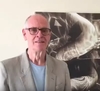
In every time and place, human beings have sought to grasp the ultimate mysteries of life and death. From time to time, great spiritual realizers have appeared in the world to reveal and transmit the secrets of reality and truth to all. Avatar Adi Da Samraj (1939-2008) is one of the rarest of such beings. His entire life was devoted to the discovery, demonstration, and spiritual revelation of the highest truth.
Conscious Light offers a penetrating glimpse into the remarkable life and enlightened teachings of Avatar Adi Da and His work to create an enduring legacy of potential spiritual realization for everyone.
Drawing on an extensive archival collection of film, photography, and audio recordings, as well as interviews with students who lived with Adi Da and practice His teachings, this intimate documentary takes the viewer on a journey of spiritual awakening in the company of one of the great spiritual masters of all time.
For more about the film, including dates and locations of screenings worldwide, visit the Conscious Light film website.
Tags: Conscious Light
The trailer for Conscious Light, an award-winning documentary on the life of Adi Da Samraj.
In every time and place, human beings have sought to grasp the ultimate mysteries of life and death. From time to time, great spiritual realizers have appeared in the world to reveal and transmit the secrets of reality and truth to all. Avatar Adi Da Samraj (1939-2008) is one of the rarest of such beings. His entire life was devoted to the discovery, demonstration, and spiritual revelation of the highest truth.
Conscious Light offers a penetrating glimpse into the remarkable life and enlightened teachings of Avatar Adi Da and His work to create an enduring legacy of potential spiritual realization for everyone.
Drawing on an extensive archival collection of film, photography, and audio recordings, as well as interviews with students who lived with Adi Da and practice His teachings, this intimate documentary takes the viewer on a journey of spiritual awakening in the company of one of the great spiritual masters of all time.
For more information, screening locations and ticket purchase go to the Conscious Light film website.
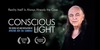
In every time and place, human beings have sought to grasp the ultimate mysteries of life and death. From time to time, great spiritual realizers have appeared in the world to reveal and transmit the secrets of reality and truth to all. Avatar Adi Da Samraj (1939-2008) is one of the rarest of such beings. His entire life was devoted to the discovery, demonstration, and spiritual revelation of the highest truth.
Conscious Light offers a penetrating glimpse into the remarkable life and enlightened teachings of Avatar Adi Da and His work to create an enduring legacy of potential spiritual realization for everyone.
Drawing on an extensive archival collection of film, photography, and audio recordings, as well as interviews with students who lived with Adi Da and practice His teachings, this intimate documentary takes the viewer on a journey of spiritual awakening in the company of one of the great spiritual masters of all time.
For more information, screening locations and ticket purchase go to the Conscious Light film website.
Audio/Video Links:


Most Popular Categories:
- Adi Da's Talks (463)
- Devotees' Stories of Adi Da (150)
- Adi Da's Image-Art (68)
- Not-Two Is Peace (54)
- Formal Darshan Occasions (36)
- Adi Da's Poetry (11)
- Tribute to Adi Da's Life and Work (11)
- Avataric Discourses: 2004 - 2005 (196)
- DVDs (198) / CDs (240) from the Dawn Horse Press
- Multi-Part Series (67)