Children and Young People in Adidam
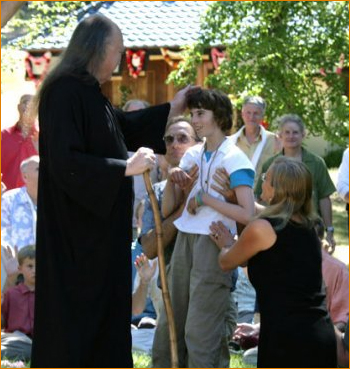
Children also suffer, but they do show this Life-sign of a spontaneous commitment to the Motive of Ecstasy Itself, of True Joy. This is why their company is pleasing — because they, without all the baggage of adults (in their suffering at any rate) rather typically show the sign of this commitment that is fundamental to being human, to being born. All other signs made in Nature, or by reaction, are there to be overcome. And it is a great struggle — no doubt.
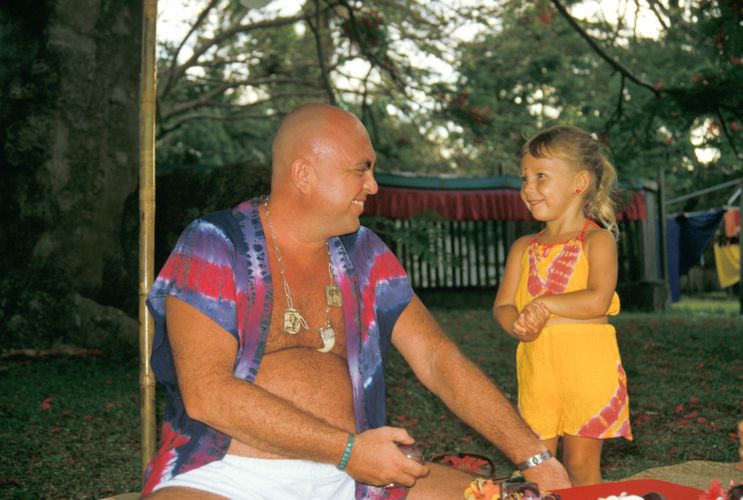
Every child must be free and ecstatic at the simple native level of his or her own existence. Children must be awakened to feel that they are associated with an Infinite Power or Mystery that sustains them, that gave them birth, that is their Destiny, and that is the Power that moves their entire future if they will associate with It rightly.
(click picture for enlargement)
 art by Maja van der Veer |
 | |
| Big Wisdom Free
School San Rafael, CA |
Many devotees choose not to have children because they understand the profound obligations of parenting and decide to dedicate their time to the inherent demands of spiritual practice. But for children who live in the community of devotees, we have provided excellent education programs ranging from preschool to high school level. Big Wisdom Free School (in San Rafael, California) and the Garden of Lions (in upstate New York) are examples of Adidam schools that successfully served the education of young people during the 1980's and 1990's.
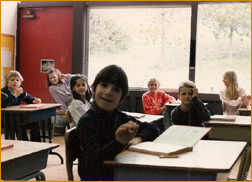 | |
| Big Wisdom Free School San Rafael, CA |
This section includes stories about the children and young people in Adidam, and their experiences growing up in the Adidam community. We also will be adding personal accounts from the adults who learned how to serve children, and from the young people who made the choice to practice the Way of Adidam when they reached adulthood.
Please also visit the website published by our community organization dedicated to serving children and educating others about Adi Da Samraj's Instruction on children: The Vision of Mulund Institute.

(click picture for enlargement)
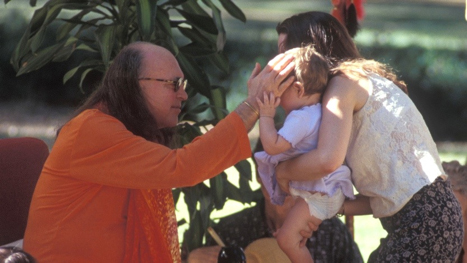
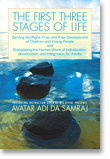
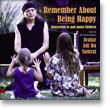
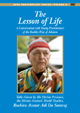
Three Talks — by Avatar Adi Da Samraj
about the love of children and Spiritual practice.
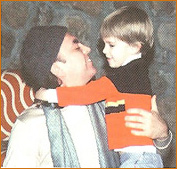
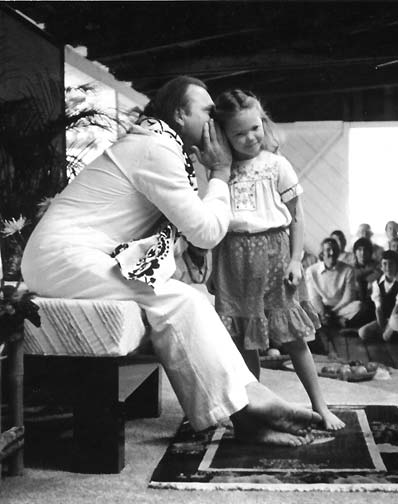
ADI DA: "I Love men, women, children, walls, and frogs with the same profound intensity. I simply have a different kind of relationship with every being. I am in Love with children! I mean deeply in Love with them. I have a profound love relationship with them."
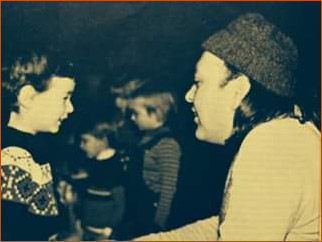
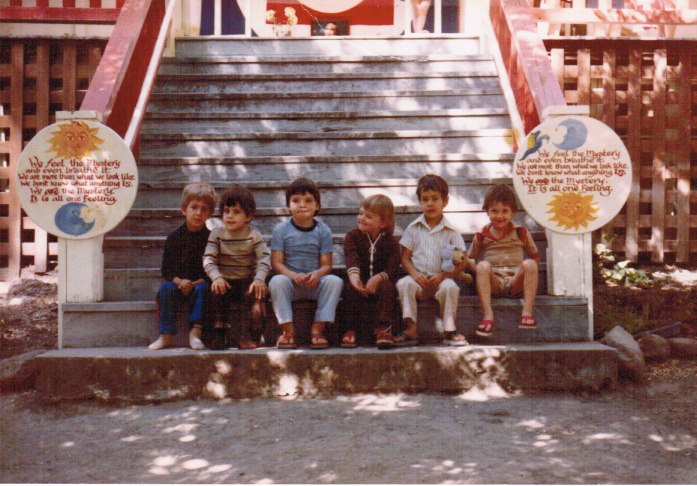
"We feel the Mystery and even breathe it. We are more than what we look like.
We don't know what anything IS. We ARE the Mystery. IT is all one feeling."
(click picture for enlargement)
(click picture for enlargement)
Roar Like a Lion — A three-year-old is drawn beyond his fear by Adi Da Samraj.

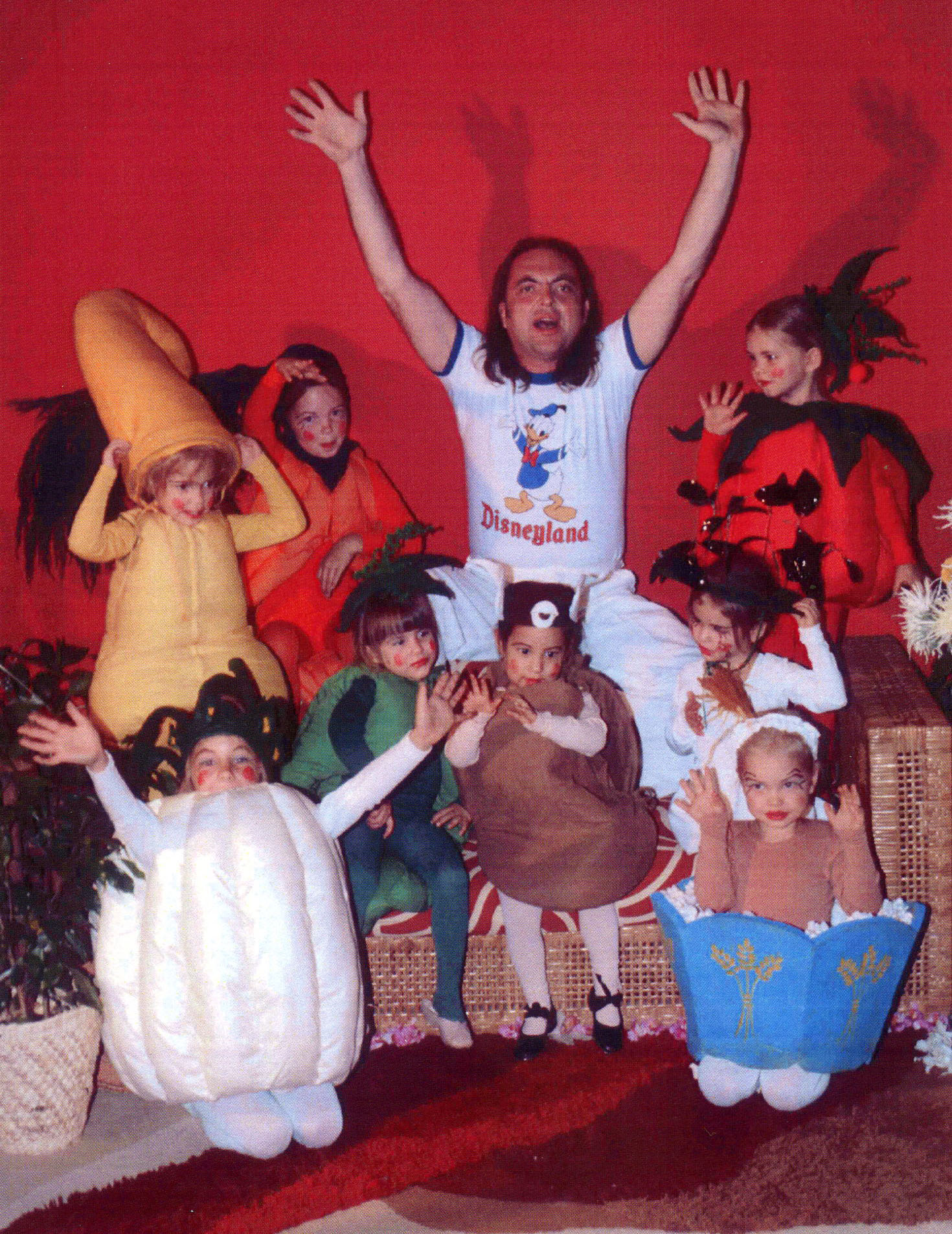
Pandas, Woodpeckers, and Renunciation — Avatar Adi Da teaches seven-year-olds about ego-transcendence.

Remember the Mystery in Which You Live — Avatar Adi Da Samraj responds to a young boy who wants to know how he can stop being "righteous".

The Peach — Adi Da reads the mind and heart of one young devotee with a strong desire.

Loss of Intimacy and Inappropriate Behavior — Frank Marrero tells the story of a lesson he learned as a teacher at Adidam's Big Wisdom Free School, about using Adi Da's wisdom about relationships and intimacy to address children's inappropriate behavior.

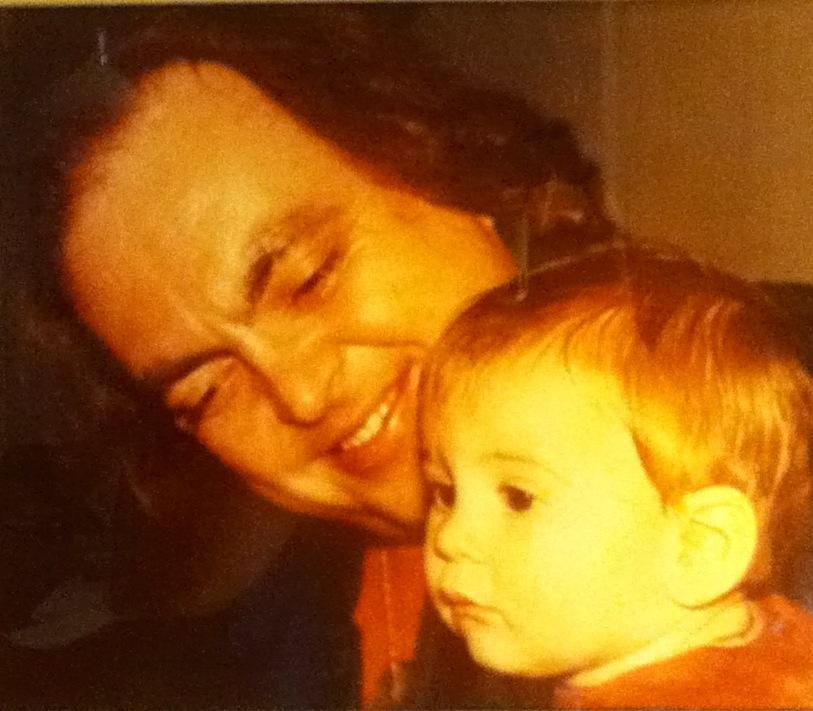
A Spontaneous Gesture of Heart-Recognition of Adi Da — From an 18-month old child.

A Feeling, Breathing Relationship to Mystery — Deborah McNamara writes about conscious parenting, with insights inspired by Adi Da's wisdom about children and childraising.
(click picture for enlargement)
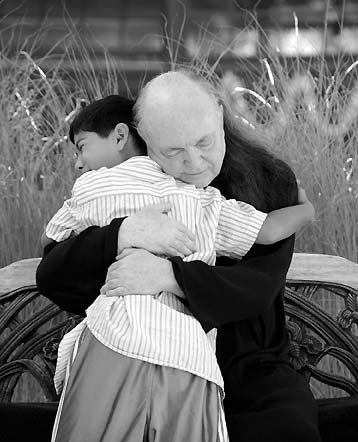
(click picture for enlargement)
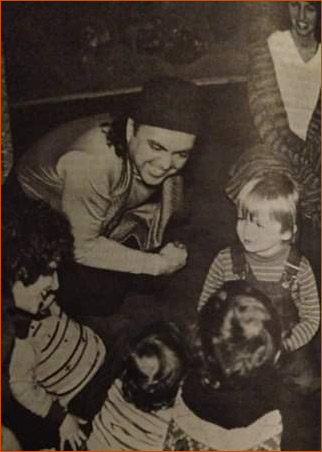

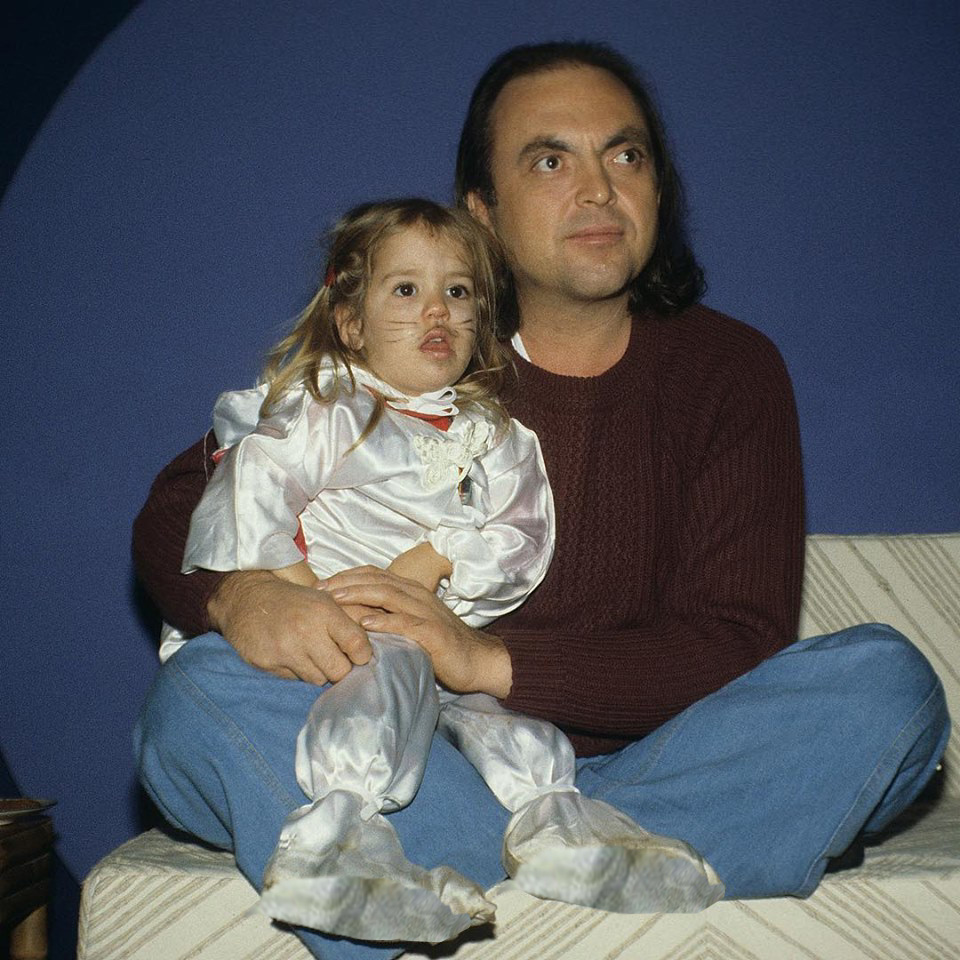
(click picture for enlargement)

(click picture for enlargement)
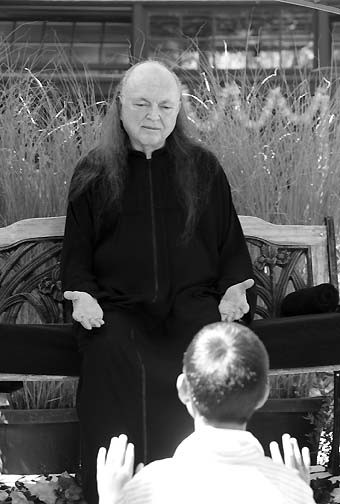
(click picture for enlargement)
 |
 |
|
||||||
|
||||||||
|
||||||||
|
||||||||
|
||||||||
|
||||||||
|
|
||||||||
|
||||||||
|
||||||||
|
||||||||
|
||||||||
|
||||||||
|
||||||||
|
||||||||
|
||||||||
|
||||||||
|
||||||||
|
||||||||
|
||||||||
|
||||||||
|
||||||||
|
||||||||
|
||||||||
|
||||||||
|
||||||||
|
||||||||
|
|
|
|
||||||





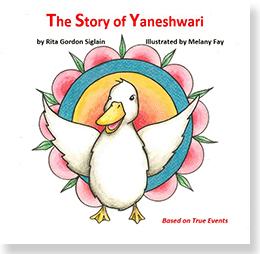


(click picture for enlargement)
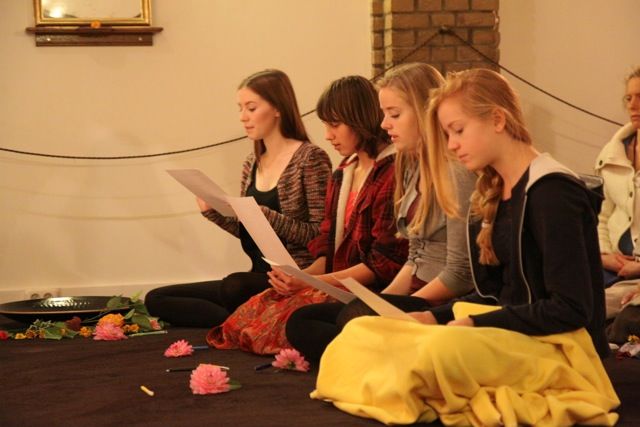
Four young devotees in a puja acknowledging the transition to the third stage of life
(click picture for enlargement)
Many (perhaps most) adolescents tend to allow their adolescence to be used up by what Adi Da characterizes as a struggle between dependence and independence. At a certain point, they "leave the nest", and settle into the patterns of conventional "adulthood" (defined primarily by family, friends, and job) for the long run, through the end of their lives.
But adolescence can serve a greater purpose than just this transitional struggle. It is a time when one has the free energy and attention (along with the motivation) to ask deep questions like: Why are we here? and: What is the purpose of life? Almost all of us do at least briefly consider questions such as these when we are adolescents, but then the responsibilities of adulthood impinge greatly on our time and energy, and these questions usually go "underground". (They sometimes emerge explosively, decades later, in the not altogether conscious form of a mid-life crisis. But doing things to make oneself feel "young" — like buying sports cars or having affairs with younger people — doesn't actually effectively address the deeper question of one's mortality: "What's the point of it all if we're going to die in the end, anyway?")
The usual life sequence is described in the Hindu tradition in four stages: brahmacharya: the young person and student; grihastha: the householder, married with children; vanaprastha: the retiree (a transitional period); and sannyasa: the renunciate, whose life is focused on Spiritual Realization. (In our contemporary materialistic society, the final, spiritually oriented "renunciate" stage has been eliminated, and "retirement" is mostly devoted to materialistic preoccupations.) The householder phase is presumed to be generally unavoidable — something one must experience oneself for a few decades — to get it out of one's system . . . to the degree where one is ready and willing to take up renunciate practice (in a non-idealistic fashion).
However, a fortunate few adolescents engage in a fuller consideration of deep questions than most, and allow that consideration to move their life in a profound direction, one that bypasses the usual life sequence. (Perhaps they are being assisted by spiritual understanding carried over from past lives. And perhaps they are also receiving the wisdom and spiritual blessing of a great Spiritual Master like Adi Da.) Their life has the possibility of proceeding straight from brahmacharya to sannyasa, giving them a far greater opportunity than most for Spiritual Realization (regardless of whether they go on to have intimate partners, children, jobs, etc. — as is the case within life-positive traditions like Adidam, where renunciation is not defined by ascetic dissociation from ordinary life, but by one's complete focus on the Divine in the midst of — and transforming one's relationship with — everything else).
The stories below are
about adolescents who are engaging their adolescence and early adulthood as just
such a spiritual opportunity.